Login

Sign Up

After creating an account, you'll be able to track your payment status, track the confirmation and you can also rate the tour after you finished the tour.
Username*
Password*
Confirm Password*
First Name*
Last Name*
Birth Date*
Email*
Phone*
Country*
* Creating an account means you're okay with our Terms of Service and Privacy Statement.
Please agree to all the terms and conditions before proceeding to the next step

Already a member?

Login

Guangzhou & Foshan · Cantonese Heritage & Kung Fu Capital – 4 Days 3 Nights

0
Price
Price
The tour is not available yet.

Proceed Booking

Save To Wish List

Adding item to wishlist requires an account

68

Why Book With Us?

  • No-hassle best price guarantee
  • Customer care available 24/7
  • Hand-picked Tours & Activities
  • Free Travel Insurance
4 Days
Guangzhou
Guangzhou
Min Age : 5
Max People : 12 (Contact us for more)

Four days across the Greater Bay Area’s cultural core — arcade streets in old Guangzhou, Shunde claypot lunches, Ip-Man-lineage Wing Chun in Foshan, Ancestral Temple lion dance, and the dragon-boat drift village of Diejiao where 25-metre boats whip through 3-metre canal turns.

You trade the imperial north for a southern city grammar: wok-ear rooftops, qilou arcades, and a food scene UNESCO put on its Creative Cities list.

Accommodation
3 nights at boutique 4-star equivalent hotels. 1 night in Guangzhou's Tianhe District, 2 nights inside Foshan's Lingnan Tiandi heritage quarter.
Airport Transfers
Airport transfers are not included on arrival. Meet at the hotel in Tianhe District, Guangzhou. Private transfer to Guangzhou airport or railway station on departure in Guangzhou.
Guide & Transport
Bilingual guide and private vehicle for 4 days. Private group, no mixed joiners. Up to 12 guests per party.
Meals
Daily breakfast plus 4 included meals: welcome Cantonese dinner, Shunde claypot lunch, Diejiao water-village home meal, and a Cantonese banquet.
Signature Experiences
Wing Chun with Master Dong Chonghua (Ip Man lineage), lion dance at Foshan Ancestral Temple, Diejiao dragon-boat drift village, and the wok-ear courtyards of Lingnan Tiandi.
Trip Style
Gentle pace, food-led, heritage-focused. Short city walks, courtyard gardens, and living-culture experiences anchored in Guangzhou and Foshan.
Where You'll Stay
4-Star Equivalent
Guangzhou Tianhe City Hotel
1 Night
Boutique city hotel in Tianhe District, Guangzhou's central business and shopping belt. Close to the subway for easy orientation on arrival day, with dinner and the Yongqingfang heritage walk a short drive away.
4-Star Equivalent
Foshan Lingnan Tiandi Boutique Hotel
2 Nights
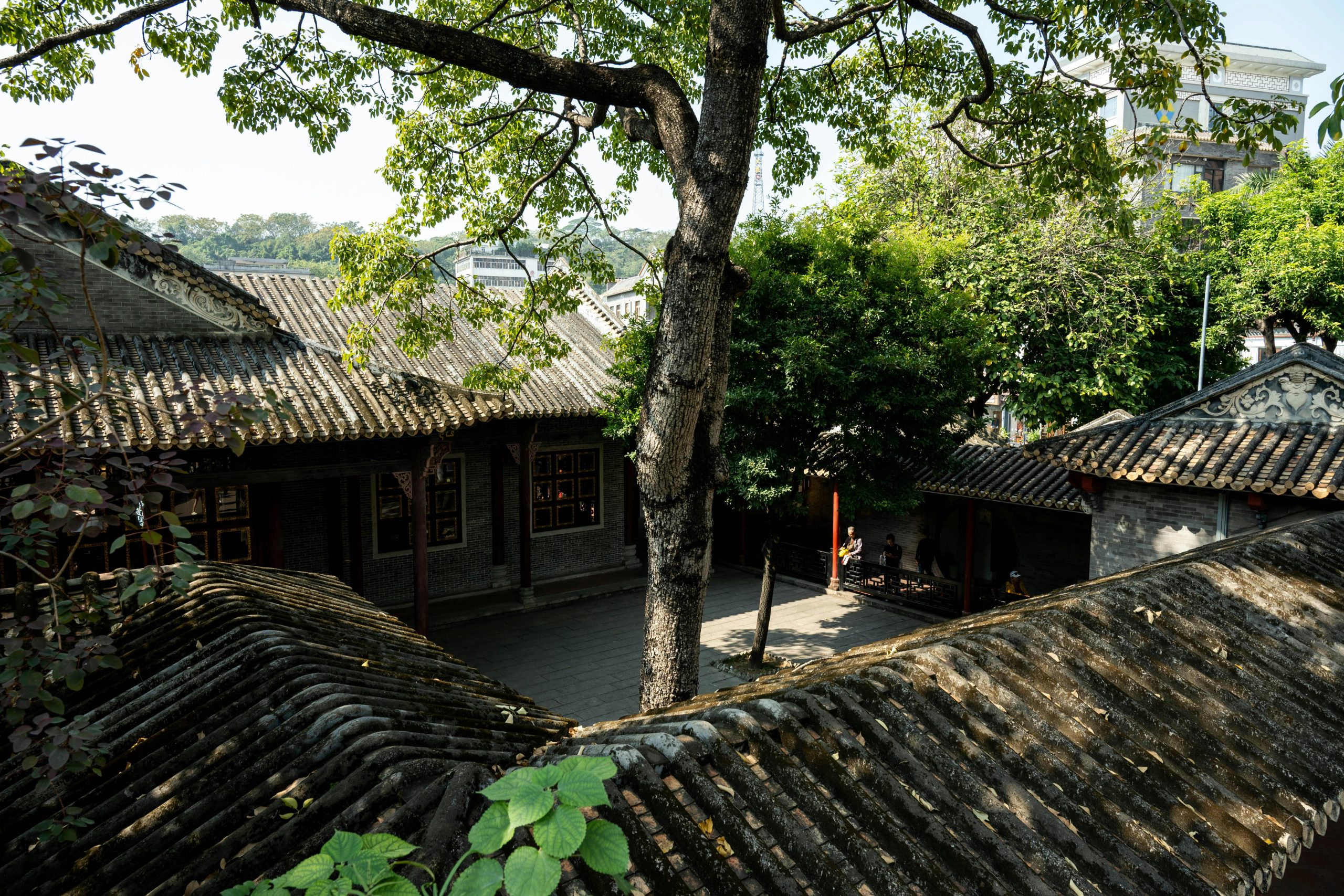
Boutique property inside the Lingnan Tiandi heritage quarter — step out of the lobby and you are on a pedestrian street of wok-ear rooftops, grey-brick walls, and Manchu-style windows. Evenings are at your own pace along the arcade lanes, with non-heritage craft shops and Cantonese dessert stalls a short walk from the hotel.

Day 1Guangzhou Arrival · Qilou Arcades & Riverside Lights

📍 YongqingfangHaixinsha Park🍜 Cantonese Welcome Banquet+2 more

Arrive in Guangzhou and check into your hotel in Tianhe District, the city’s modern business core. Drop your bags and settle in.

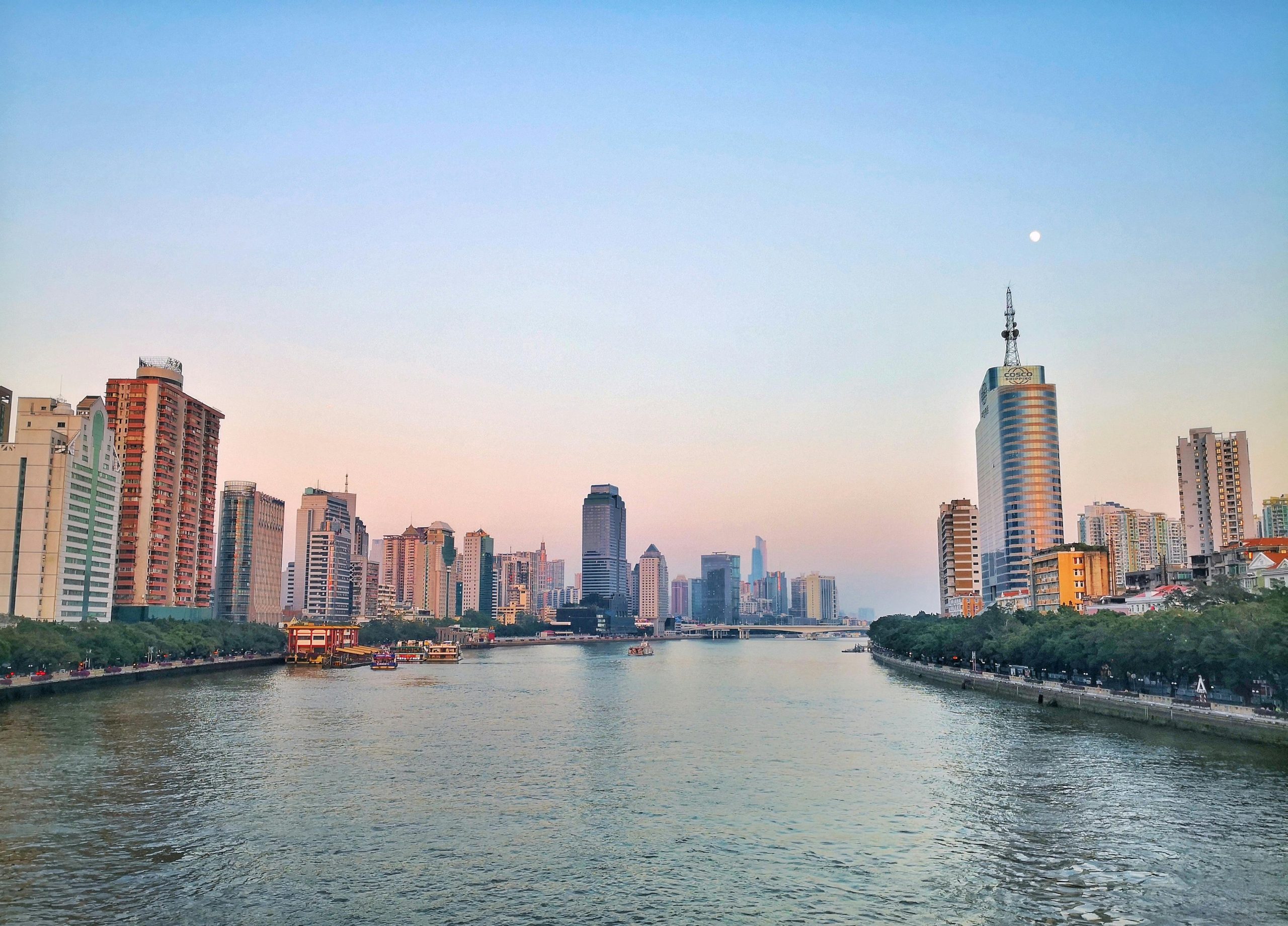
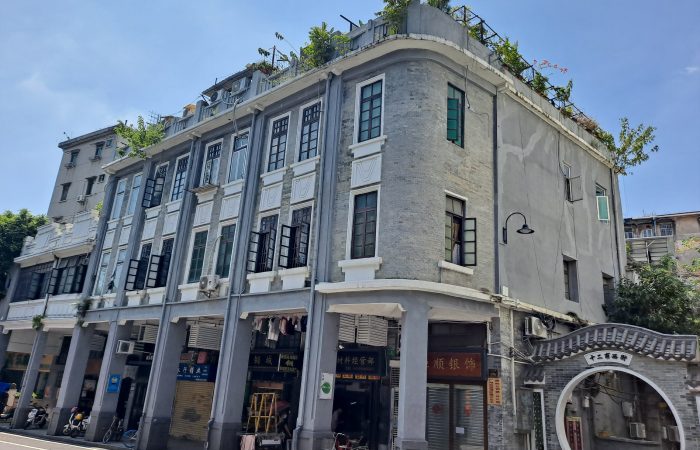
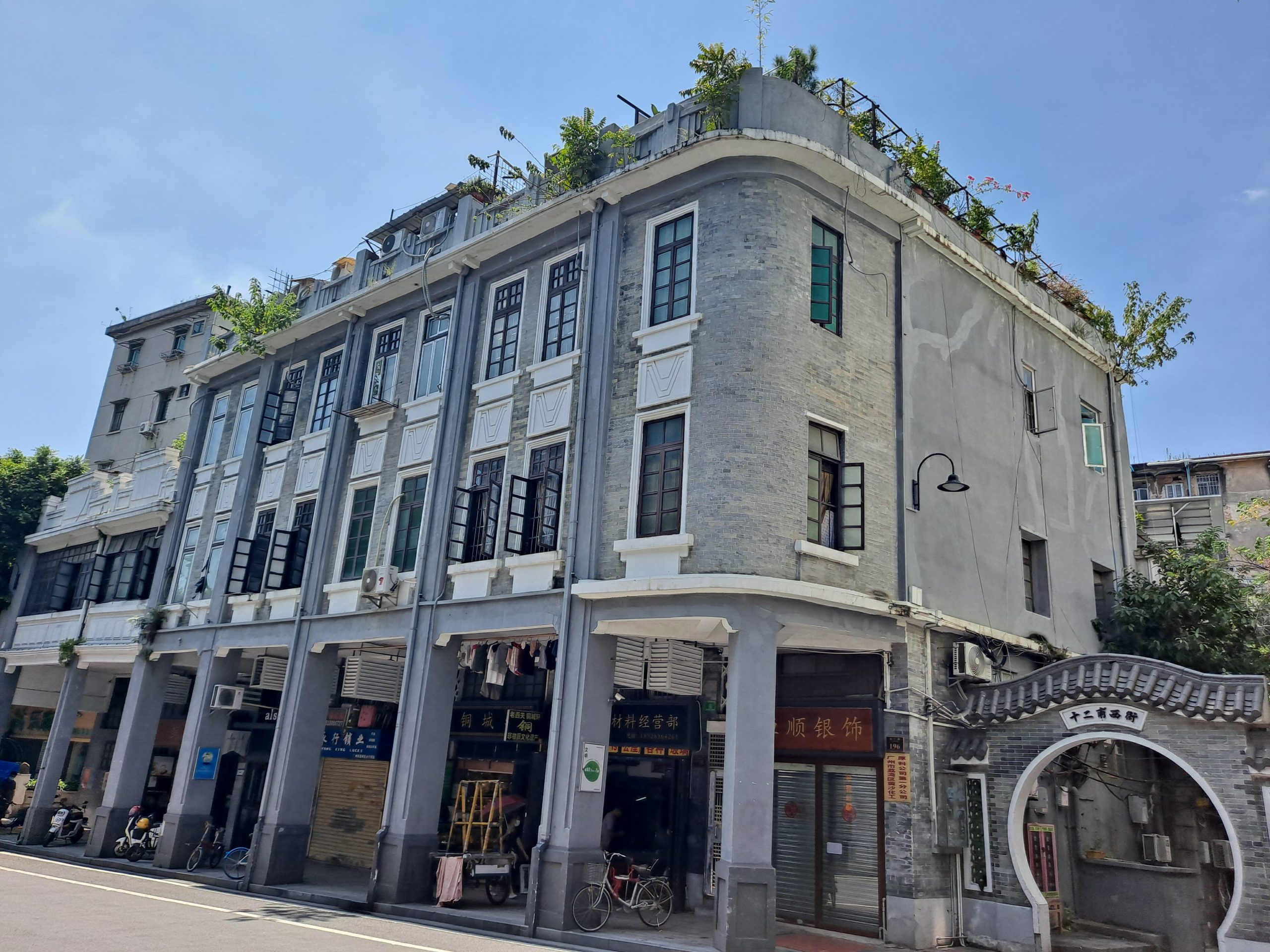
In the afternoon, you head west into old Guangzhou for Yongqingfang on Enning Road, the longest-preserved stretch of qilou arcade architecture in the city. These 1930s colonnaded shophouses line Liwan District’s old Xiguan quarter, and the block has been revived as a living cultural district — Bruce Lee’s father’s Xiguan mansion, now a small memorial hall, sits here alongside the Cantonese Opera Art Museum, copper-forging workshops, and shops selling Cantonese embroidery and porcelain. Your guide walks you through the textures that make southern China’s city-scape different from the imperial north: tonglong shutters, Manchu windows, and the way the arcades let shoppers move through summer rain without ever breaking stride.

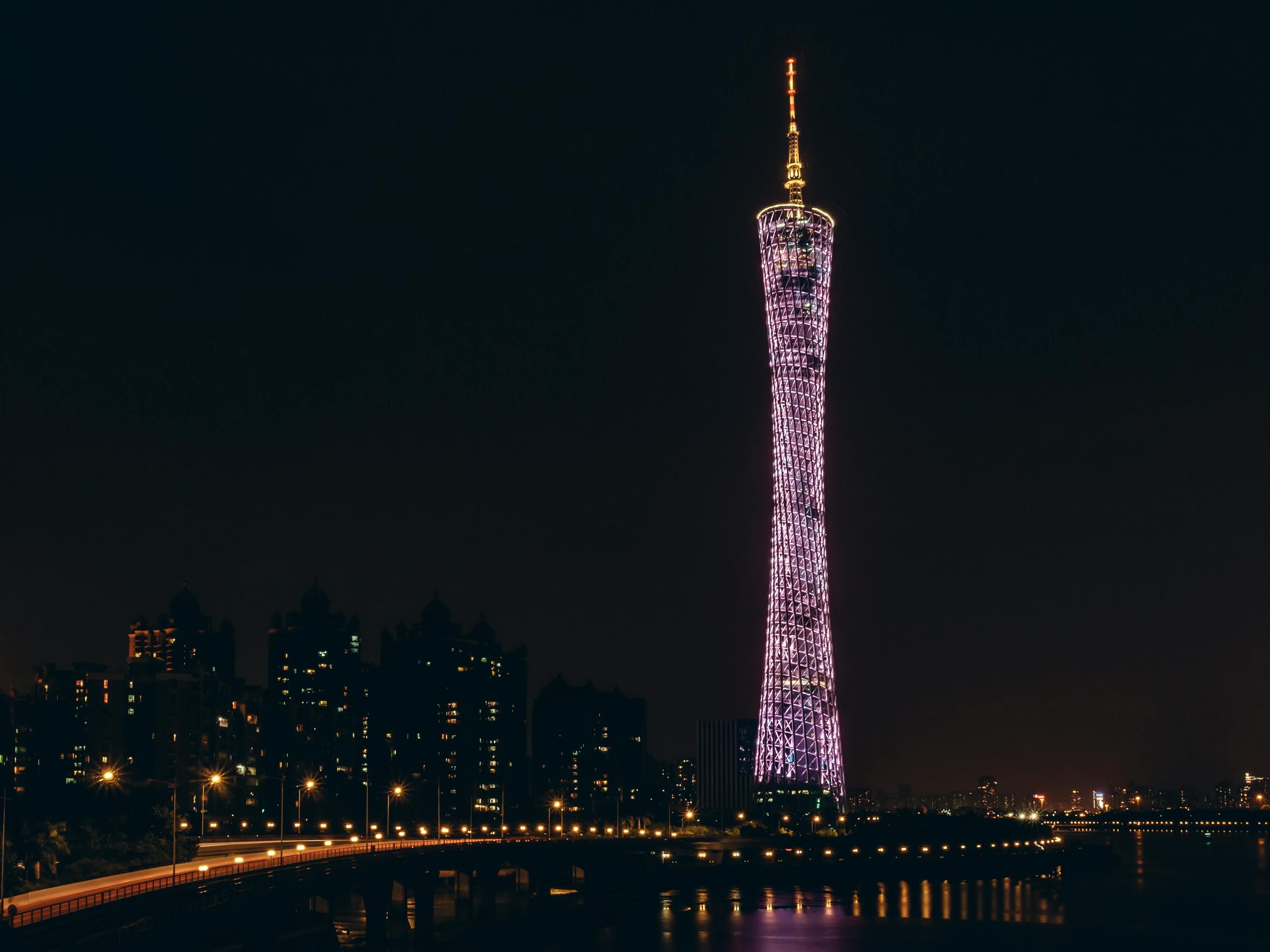
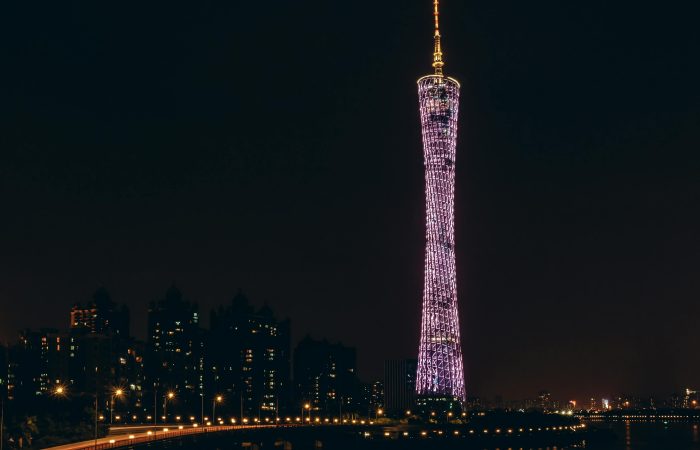
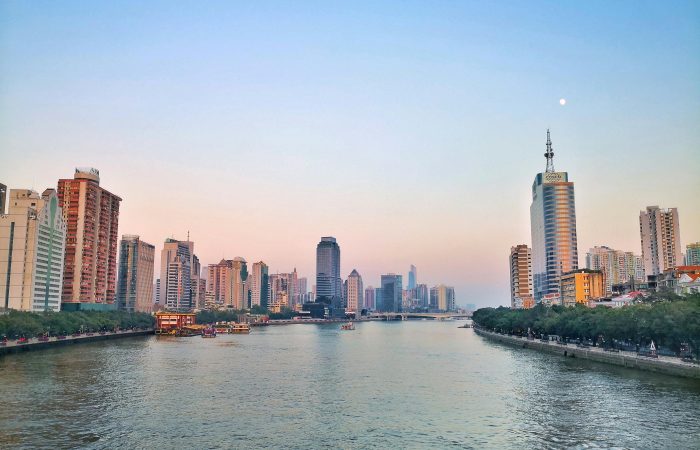
Later, a drive south to Haixinsha Park, the island on the Pearl River that hosted the 2010 Asian Games opening and closing ceremonies. The park sits at the southern end of Guangzhou’s new central axis, with water on three sides and Canton Tower directly across the river. From the promenade you see the city’s “golden triangle” — Haixinsha, Flower City Square, and the tower — lit up as dusk settles in.

Dinner is a Cantonese welcome banquet, seasonal and ingredient-led: light, clean-flavoured cooking in the Lingnan style, with an emphasis on the freshness of what is in season rather than heavy sauces. It is the regional cuisine’s opening statement, and sets the tone for the meals ahead.

Day 2Qinghui Garden · Shunde Lunch · Wing Chun with Master Dong

📍 Qinghui Garden🍜 Shunde Claypot Rice✨ Wing Chun Session+2 more

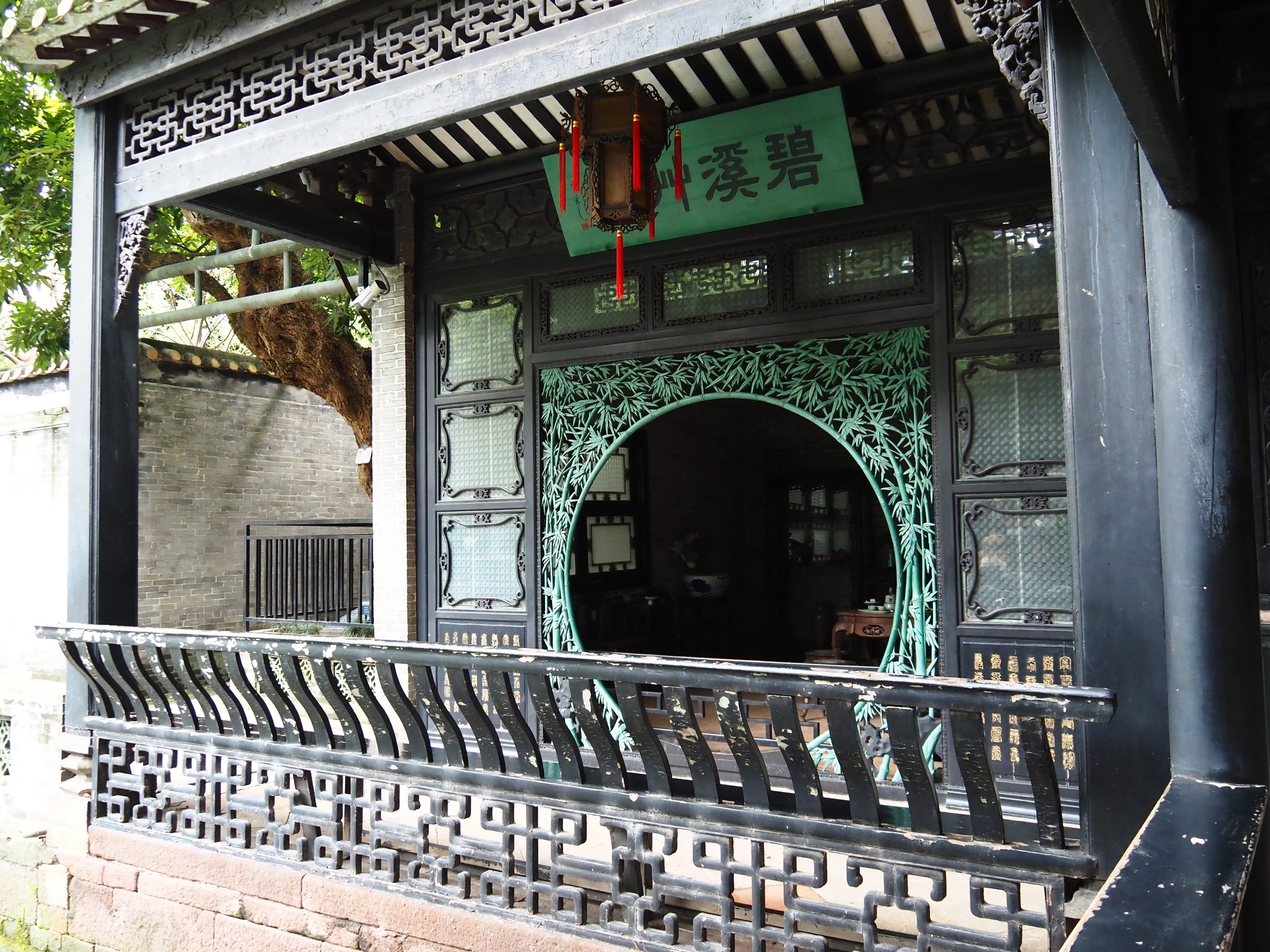
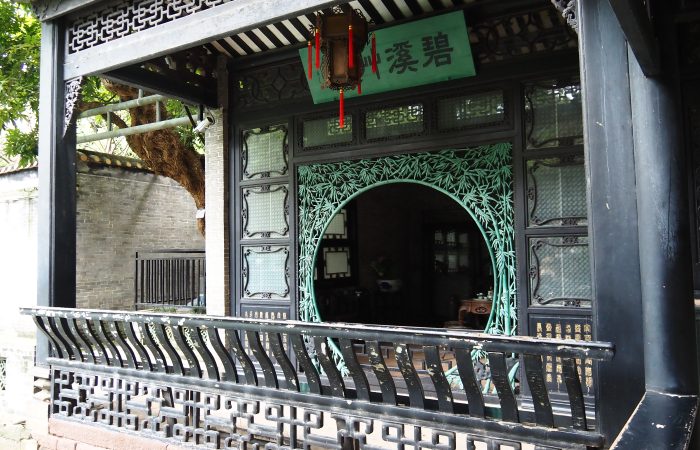
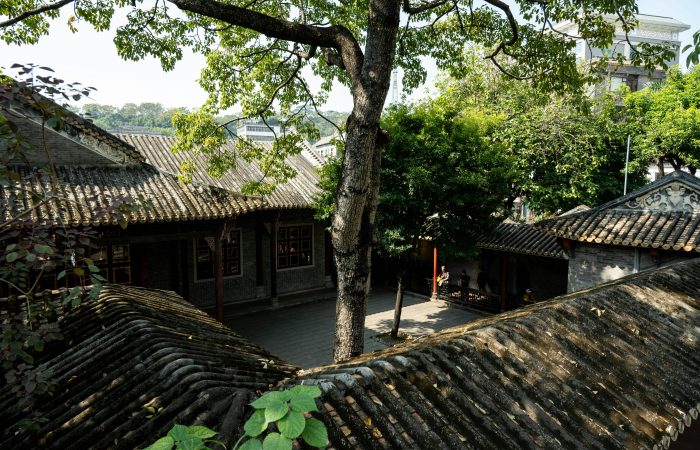
Check out after breakfast and drive to Foshan. Your first stop is Qinghui Garden in Shunde District, one of the Four Great Gardens of Lingnan and the only Cantonese garden on China’s national top-ten list. Built in the late Ming and extended through the Qing by the Long family for a scholar’s mother, it layers ponds, pavilions, carved screens, and shade trees across a compact one-acre plan. Your guide walks you through the three zones — southern waterscape, central architecture, northern courtyards — and reads the details that set southern garden design apart from Suzhou’s.

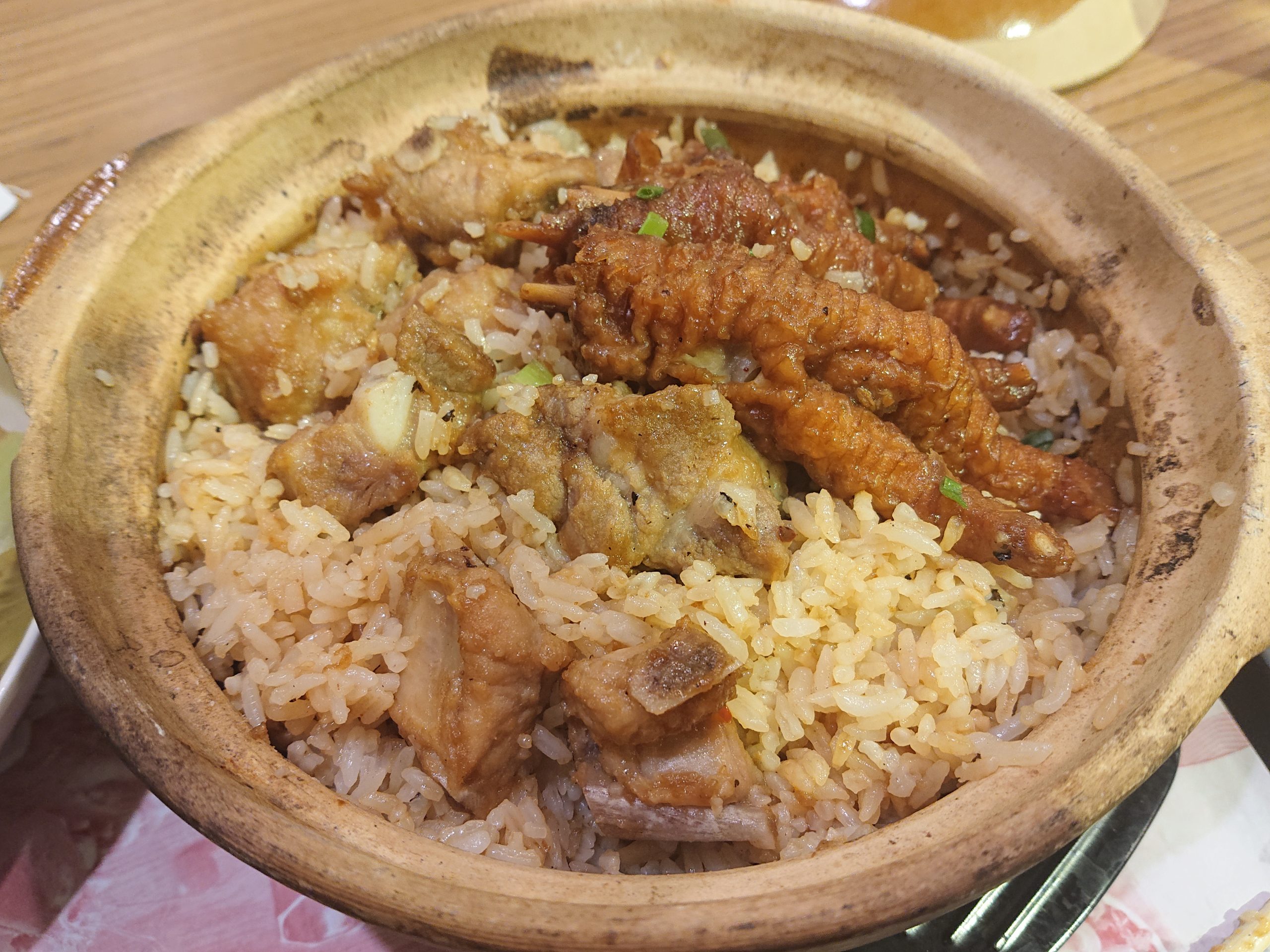
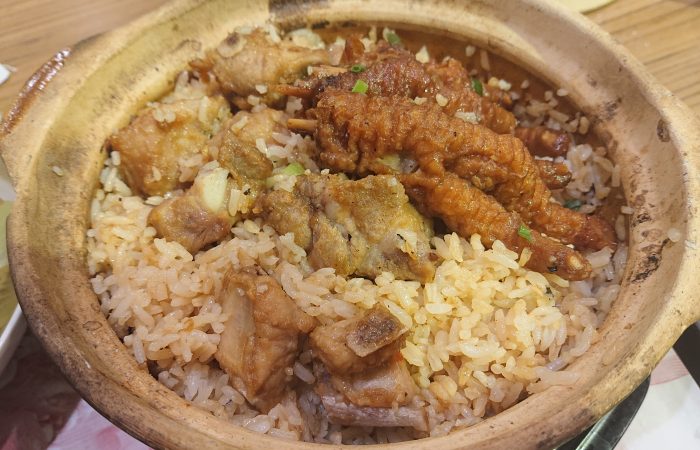
Lunch is in a heritage blue-brick courtyard restaurant in Shunde — a city UNESCO named a Creative City of Gastronomy for its depth of regional cooking. The meal centres on the two dishes Shunde is best known for: fish sashimi (*yu sheng*), paper-thin and dressed with citrus, peanuts, and fried taro, and Shunde claypot rice (*bao zai fan*), cooked over charcoal until the bottom crisps into a layer of golden rice crust. Cantonese opera plays softly in the background — a tradition the guildhall-style setting leans into.

The afternoon begins with a walk down Huagai Road, a Foshan arcade street a century old, where yellow, green, and pale-blue qilou shopfronts line the pedestrian strip. It is Lingnan architecture in its most photogenic form — Ming-Qing detail spliced with 1920s European motifs.

Then you head to Chancheng District for a Wing Chun session with Master Dong Chonghua at his Chonghua Wushu Hall. Master Dong is a recognized intangible cultural heritage inheritor of Wing Chun in the Ip Man lineage — he trained under Ip Chun, Ip Man’s eldest son, and has taught Wing Chun internationally. The session includes a background talk on Wing Chun’s history in Foshan, the city that produced Ip Man and made the style globally famous, followed by a one-hour hands-on practice covering basic stances, the centre-line principle, and the chain-punch drill. No prior martial-arts experience needed.

In the evening, check into your Foshan hotel inside the Lingnan Tiandi heritage quarter. The arcade streets are lit up for the evening — wok-ear rooflines against the sky, grey brick lanes, and creative shops, non-heritage craft studios, and Cantonese dessert stalls in restored Qing courtyards. Dinner and the evening are yours to explore at your own pace.

Day 3Ancestral Temple Lion Dance · Diejiao Dragon-Boat Village

📍 Foshan Ancestral Temple🍜 Cantonese Banquet Dinner✨ Diejiao Village+1 more

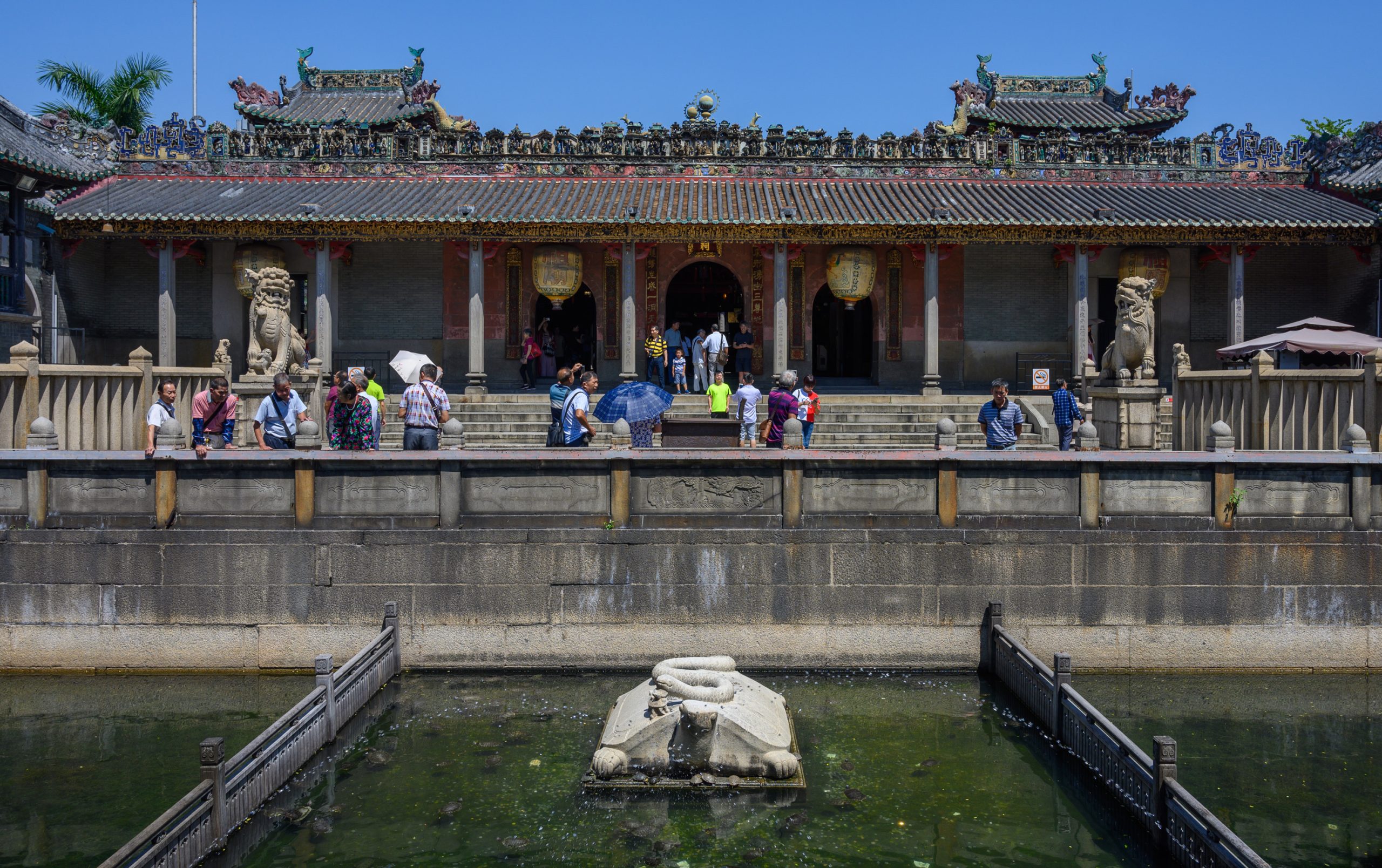
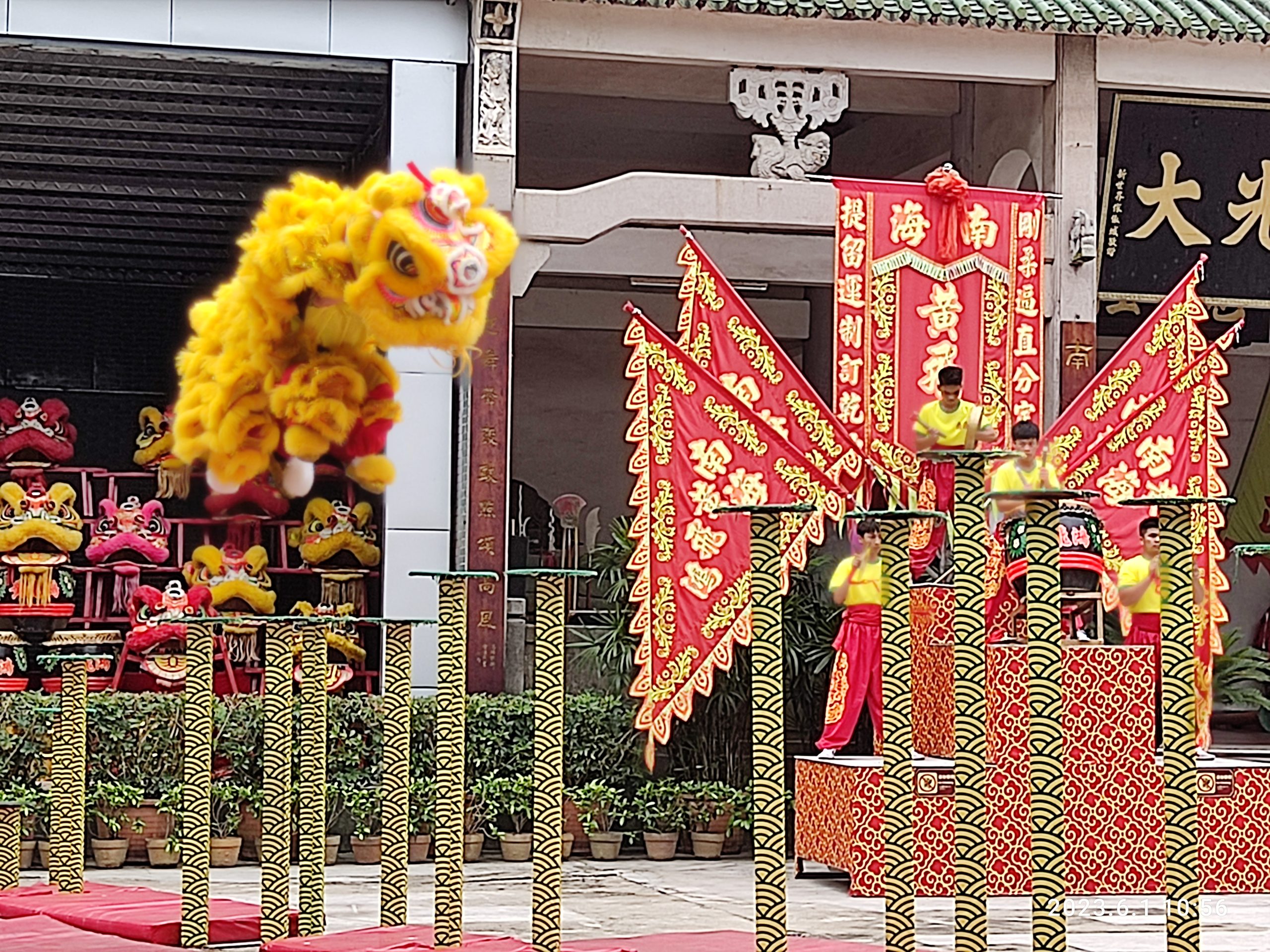
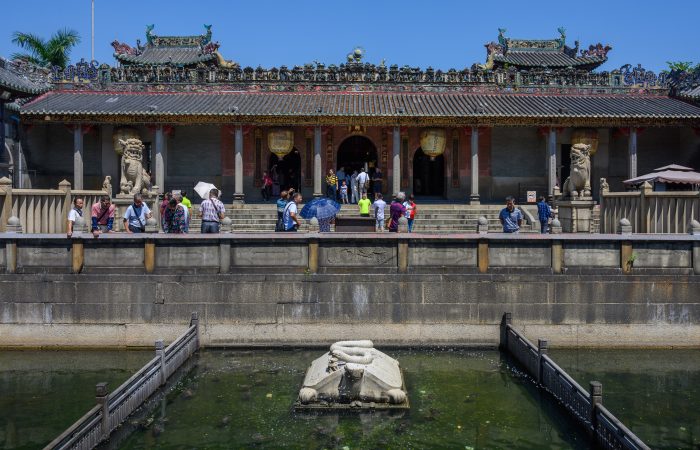
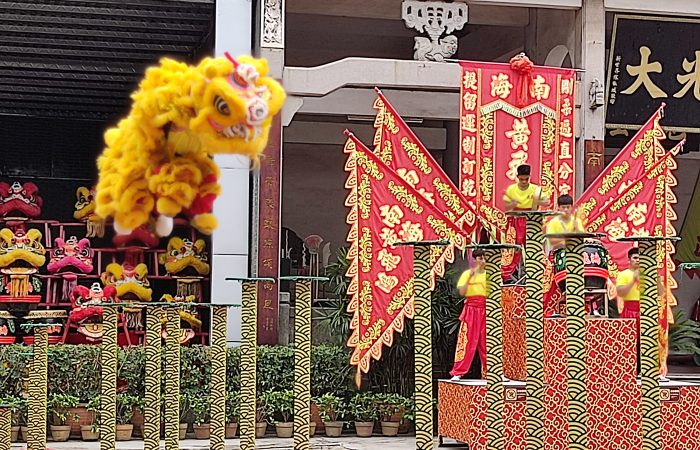
The morning goes to Foshan Ancestral Temple (*Zumiao*), a Northern Song-dynasty Daoist temple that has been at the centre of Foshan’s cultural life for nearly a thousand years. The complex is a compact showcase of Lingnan architecture — carved timber, glazed Shiwan pottery figures on the rooflines, and stone screens — and it doubles as the hub of Foshan’s martial and folk traditions. In the square in front of the Wong Fei-hung Memorial Hall you watch a lion dance performance: Foshan is the birthplace of Southern Lion Dance, and the style you see here — cymbals, drum patterns, acrobatic head-and-tail work — is the one that spread across Chinese communities worldwide.

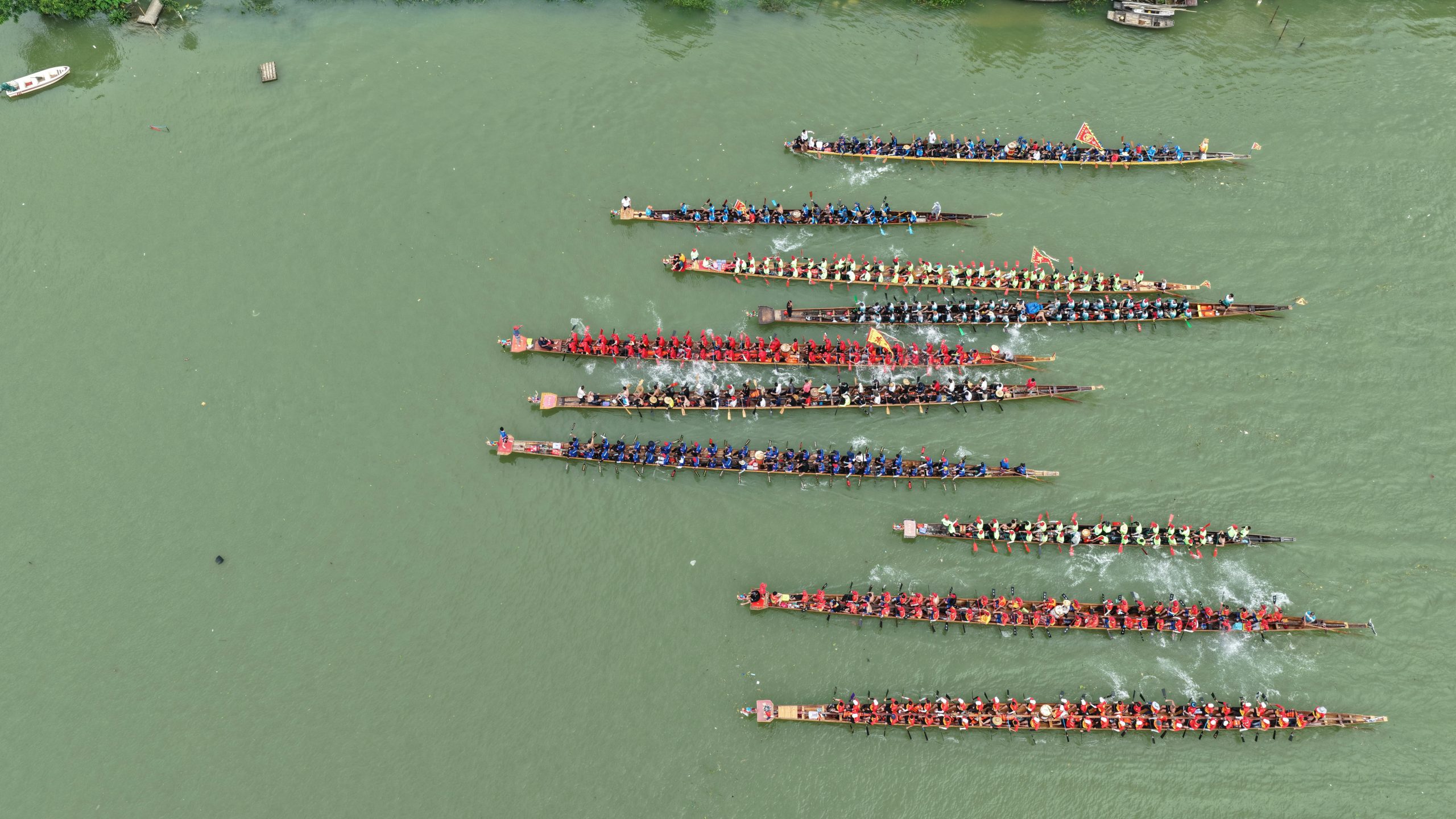
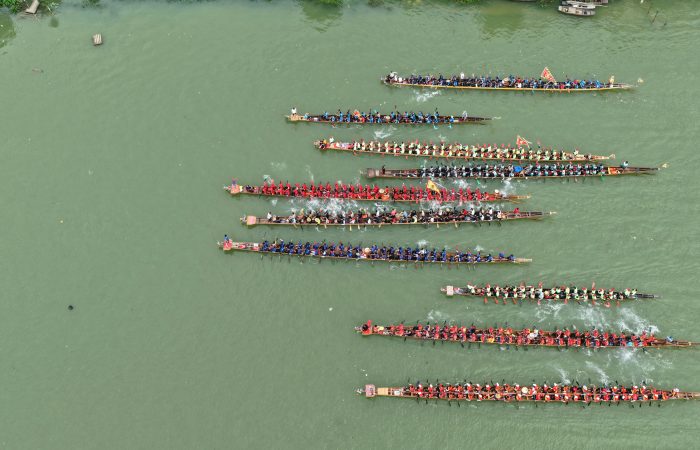
Midday, you drive to Diejiao village in Nanhai District for the most distinctive stop on the tour. Diejiao is an old water village where the canal system used to run 35 kilometres through the settlement; the narrowest stretches are only three metres wide. For more than 500 years, local crews have raced 25-metre-long dragon boats through these lanes — and because the canals twist through C-curves, L-curves, and S-curves, they had to develop a unique drift-racing technique. CGTN calls it “F1 on water.” It is listed as Foshan municipal intangible cultural heritage.

Your visit is a quiet day, not a race day: a local family hosts a home-cooked Cantonese water-village lunch in their courtyard, your guide walks you through the village’s ancestral halls and the riverside market, and you see the C-curve and S-curve drift lanes up close while the boats are in storage. If you want to experience the boats on the water, a hands-on dragon-boat session can be pre-arranged when booking.

In the evening, a Cantonese banquet dinner — white-cut chicken, claypot rice, and other regional classics — wraps up the food-led thread of the trip. You return to your Lingnan Tiandi hotel for the second night in the heritage quarter.

Day 4Foshan Farewell & Transfer to Guangzhou

Breakfast at the hotel, then a relaxed morning before check-out. If time allows, one last walk through Lingnan Tiandi’s arcade lanes in the quieter morning light before the shops open.

At a time that matches your departure, your driver takes you from Foshan back to Guangzhou for your onward flight from Baiyun International Airport or high-speed train from Guangzhou South Railway Station. Your guide is available by phone for any last-minute help.
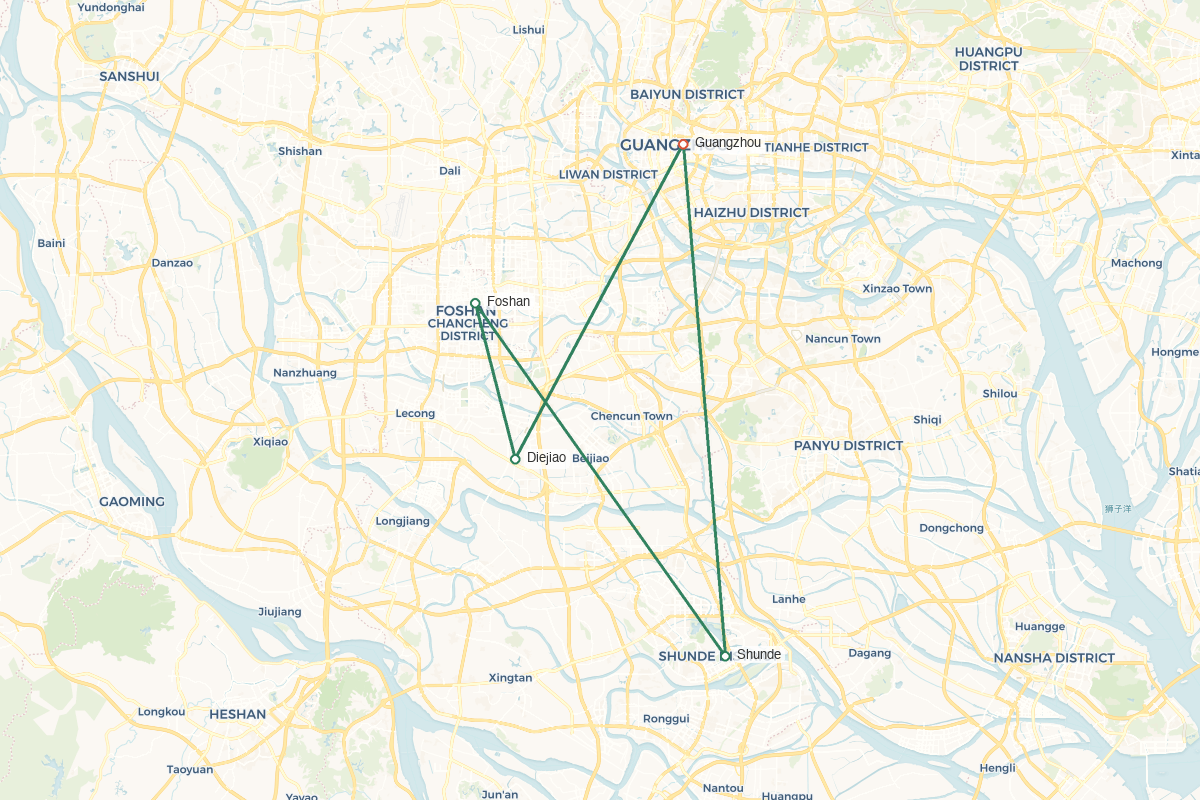
Map
Guangzhou & Foshan · Cantonese Heritage & Kung Fu Capital – 4 Days 3 Nights route map
Before Booking

✓ What's Included

Transport — Daily private vehicle with dedicated driver for the full 4 days, plus return transfer to Guangzhou airport or railway station on departure day.

Guide — Professional bilingual guide for the full journey.

Accommodation — 3 nights at boutique hotels: 1 night in Guangzhou’s Tianhe District, 2 nights in Foshan’s Lingnan Tiandi heritage quarter.

Meals — Daily breakfast plus 2 lunches and 2 dinners featuring Cantonese and Shunde cuisine, including a Shunde claypot-rice lunch and a welcome Cantonese banquet.

Entrance Fees — All scheduled sites, including Yongqingfang heritage district, Qinghui Garden, Foshan Ancestral Temple (with lion dance performance), and Diejiao dragon-boat drift village.

Experiences — Wing Chun session with Master Dong Chonghua (Ip Man lineage), lion dance performance at Foshan Ancestral Temple, Shunde water-village home visit, and Diejiao dragon-boat drift route tour.

Insurance — Travel accident insurance for the full tour duration.

Pricing Promise — Everything in the itinerary is included in the tour price. Optional packages and room choices, if any, are shown clearly before payment. No hidden on-trip charges.

+ Booking Options

Single-Room Supplement — A single room is available for the full 3 nights at an additional charge. Select when booking.

Everything in the itinerary is included in the tour price. No paid activity packages apply to this route.

📋 Prepare for Travel

✈️ Please book your own international flights.

📱 Please arrange your own mobile data plan before departure.

🛂 Check visa requirements for your destination before booking.

💊 Bring any personal prescriptions needed.

🍽 Please inform us of any dietary needs, allergies, or restrictions when booking. Cantonese cuisine features seafood, poultry, and pork prominently.

💳 Most scheduled venues accept international credit cards. For smaller shops and street food, please have local cash or a local mobile payment app ready.

🏔 Gentle pace with flat city walking and short heritage-district strolls. No hiking or strenuous activity. The Wing Chun session is a guided demonstration with a 1-hour practice component at a level anyone can join.

🧳 Guangdong is subtropical — hot and humid from May to September, mild and damp in winter. Light breathable clothing year-round; a light rain shell is useful from April through August.

? FAQ

Where does the tour start and end?
Starts and ends in Guangzhou. Airport transfers are not included on arrival. Meet at the hotel in Tianhe District, Guangzhou. Private transfer to Guangzhou airport or railway station are included on departure.

How do we get around during the tour?
By private vehicle with a dedicated driver for the full 4 days. A bilingual guide travels with you throughout. Guangzhou to Foshan is a short drive of about 30-45 minutes depending on traffic; Diejiao village is about 20 minutes from central Foshan.

How physically demanding is the tour?
Gentle pace throughout. City streets are flat and walking distances are short. The Wing Chun session includes about 1 hour of light practice with demonstration — anyone can participate, regardless of experience. Qinghui Garden and Foshan Ancestral Temple involve garden and courtyard walking. No hiking or strenuous activity is scheduled.

What is the Wing Chun session like?
You visit Master Dong Chonghua’s Wing Chun school (Chonghua Wushu Hall) in Foshan’s Chancheng District. Master Dong is a recognized intangible cultural heritage inheritor of Wing Chun in the Ip Man lineage — he trained under Ip Chun, Ip Man’s eldest son. The session includes a background talk on Wing Chun history and a one-hour hands-on practice covering basic stances and movements. No prior experience required.

What is Diejiao dragon-boat drifting?
Diejiao is a water village in Foshan’s Nanhai District with a dragon-boat tradition going back more than 500 years. The local canals are only 3 metres wide at their narrowest, which forced crews to develop a unique drift-racing technique through the C-curve, L-curve, and S-curve turns. It is listed as Foshan municipal intangible cultural heritage and has been nicknamed ‘F1 on water’ by CGTN. Your visit includes a walk through the village, a home-cooked Cantonese water-village meal with a local family, and time at the drift racing course. A hands-on dragon-boat experience can be arranged with advance booking.

What meals are included?
Daily breakfast at the hotel plus four main meals: a welcome Cantonese dinner in Guangzhou on Day 1, a Shunde claypot-and-fish lunch on Day 2, a water-village home lunch in Diejiao on Day 3, and a Cantonese banquet with white-cut chicken and claypot rice on Day 3 evening. Other lunches and dinners are at your own arrangement — your guide will recommend nearby options.

Is the hotel the same every night?
No. Night 1 is in Guangzhou’s Tianhe District (central business area, close to the subway). Nights 2 and 3 are in Foshan’s Lingnan Tiandi heritage quarter, where you step out of the hotel straight into the arcade streets and wok-ear courtyard lanes. Both are boutique 4-star equivalent properties.

What is the cancellation policy?
Our cancellation and refund policy is tiered based on how far in advance you cancel. Full details at Terms & Conditions.

Should I book pre/post-tour accommodation?
Day 1 begins with afternoon touring in Guangzhou, so any morning or early-afternoon arrival works. Day 4 is a half-day with hotel check-out after breakfast and transfer to Guangzhou airport or railway station — aim for a midday or later departure.

Can I fly a drone during the tour?
China requires all drone operators (including foreign visitors) to register with the CAAC before flying. Many heritage sites and city centres are no-fly zones, including Foshan Ancestral Temple and most parks. Inform your guide in advance if you plan to bring a drone.

Travel Notes
Local Names
Yongqingfangyong-ching-FAHNG
Guangzhou's longest-preserved 1930s qilou arcade street, in the old Xiguan quarter
QilouCHEE-loh
Colonnaded southern Chinese shopfront that lets pedestrians walk through rain and sun
XiguanSHEE-gwan
Western part of old Guangzhou city, where Lingnan merchant culture was most concentrated
Haixinshahigh-sheen-SHAH
Island that hosted the 2010 Asian Games ceremonies, with panoramic skyline views
Qinghuiching-HWAY
One of the Four Great Gardens of Lingnan, in Shunde, Foshan
Shundeshwun-DUH
UNESCO Creative City of Gastronomy — claypot rice and fish sashimi heartland
Zumiaodzoo-MYOW
Daoist temple at the centre of Foshan's martial arts, lion dance, and Cantonese opera traditions
Diejiaodyeh-JYOW
Home of the 500-year-old dragon-boat drift tradition in Foshan
Lingnan TiandiLING-nahn TYEN-dee
Restored Qing-era courtyard district in old Foshan town, with wok-ear rooflines
YongchunYONG-chun
The Foshan martial art made globally famous by Ip Man and Bruce Lee
Baozai fanBOW-dzai FAHN
Shunde specialty — rice cooked in a clay pot until the bottom crisps

Proceed Booking