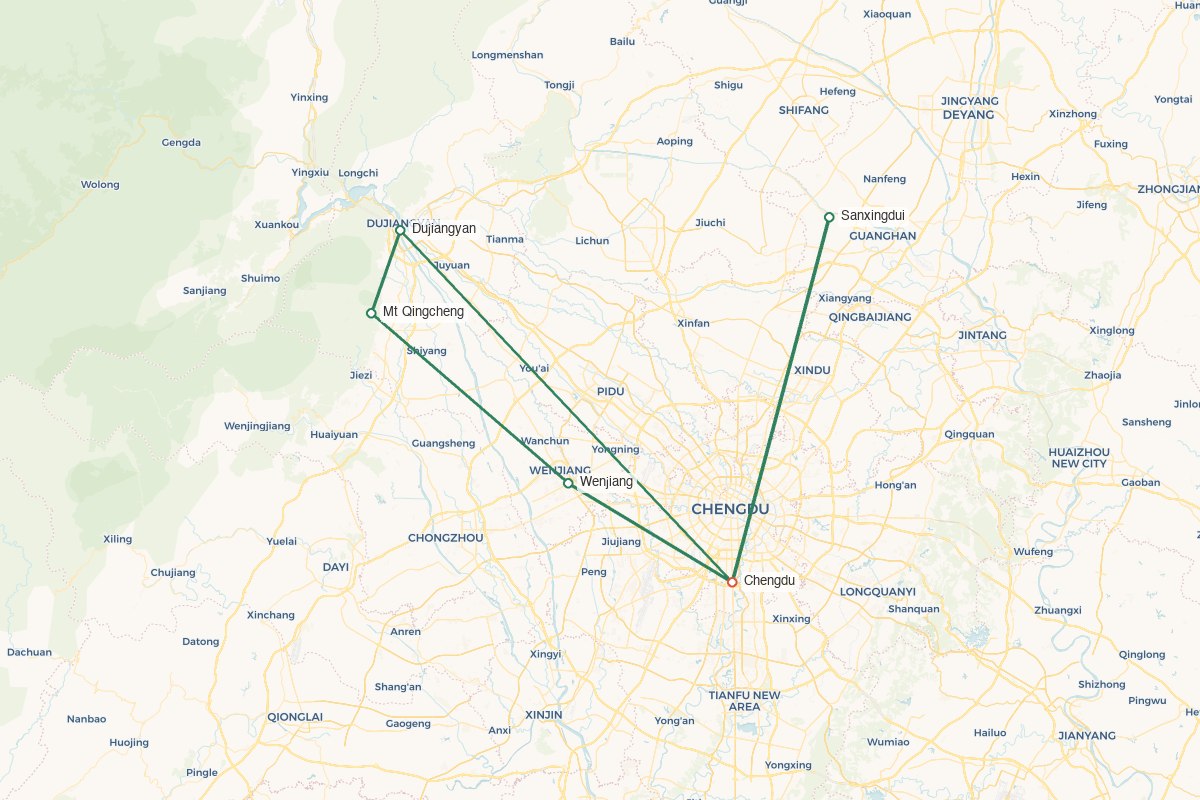
Seven days circling Chengdu at a slow, restorative pace — pandas, Taoist mountains, World Heritage waterworks, and a private Tibetan craft afternoon.
Spend mornings with giant pandas, afternoons on the tea-table lanes of Kuanzhai and Jinli, and a full day inside the 3,000-year-old bronze world of Sanxingdui. Cross to the World Heritage waterworks at Dujiangyan, then climb the Taoist mists of Mount Qingcheng before soaking at a forest-edge hot spring. Close the journey in Wenjiang with a private Tibetan manuscript museum and a hands-on craft afternoon of incense and thangka.
Your private driver meets you at Chengdu Tianfu International Airport, Chengdu Shuangliu International Airport, or Chengdu East Railway Station with an English name sign — from here, everything is handled. The drive to your downtown hotel takes 30–60 minutes depending on which terminal you arrive at.
The rest of the day is yours to recover from the flight and settle into the city at your own pace. Early arrivals can usually request an early check-in subject to availability. After dark, if you would like to step out, the driver can run you over to Jiuyanqiao (*Jiuyan Qiao*) — the floodlit nine-arch bridge over the Jin River, the city’s most photographed night-skyline scene, with riverside bars and snack streets close by.
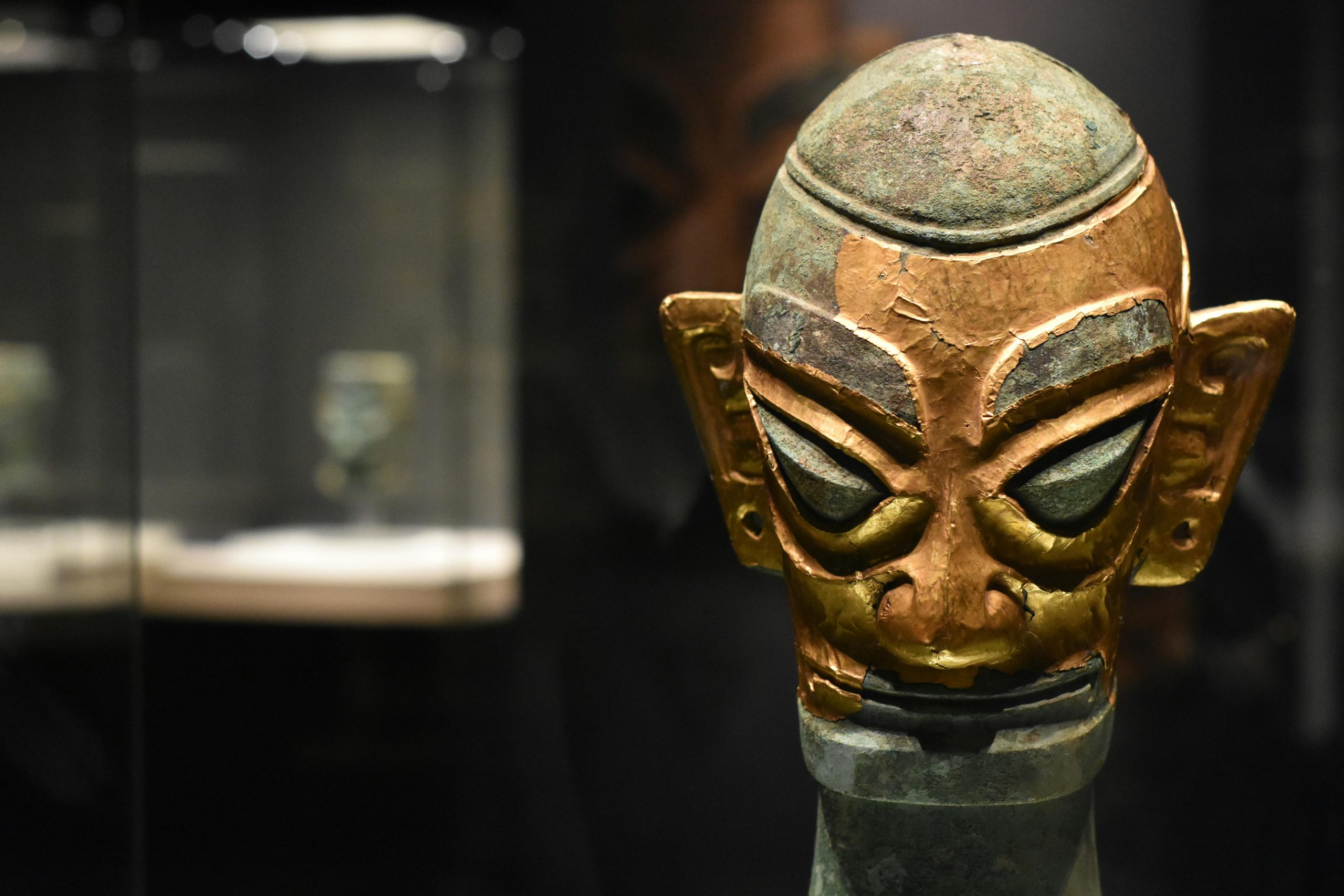
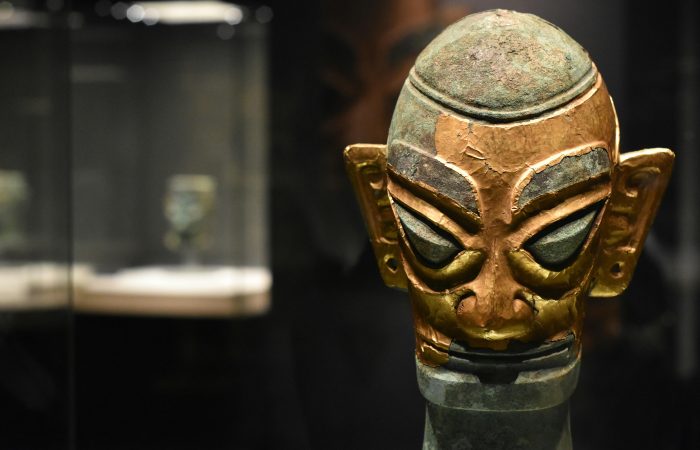
After breakfast you meet your bilingual guide for the first time. A 90-minute drive north takes you to the Sanxingdui Museum (*Sanxingdui*) in Guanghan — the home of one of the most anomalous Bronze Age civilisations ever excavated. Until the 1986 dig, no one knew this kingdom existed. Today the rebuilt museum displays towering bronze figures, masks with protruding eyes, gold-leaf staves, and ritual bronze trees unlike anything else in Chinese archaeology. Your guide walks you through the discovery story, the puzzles archaeologists are still working on, and the reason this culture left no written records. Plan on a deep three to four hours inside.
Lunch is a Guanghan local-style meal near the museum.
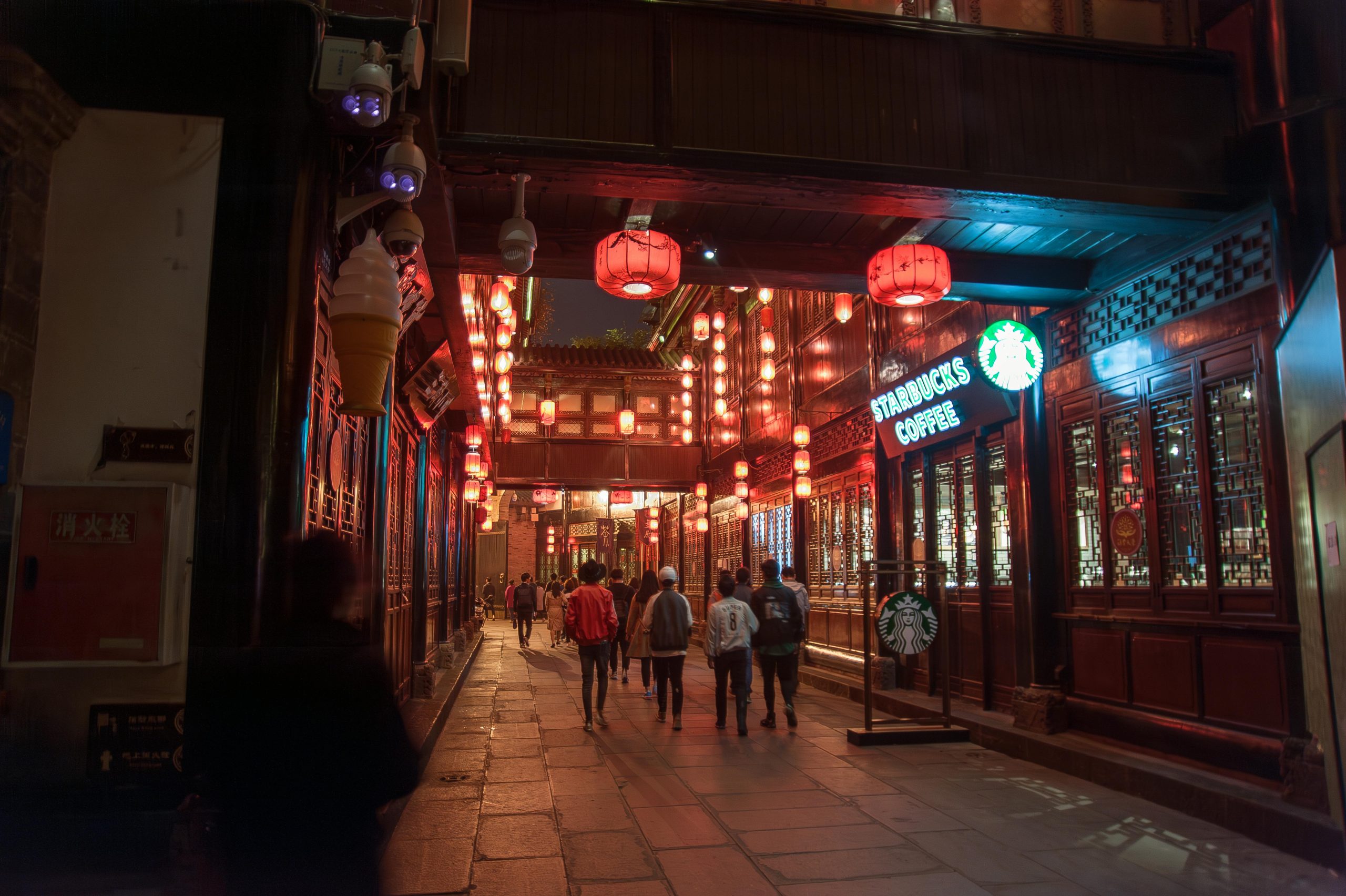
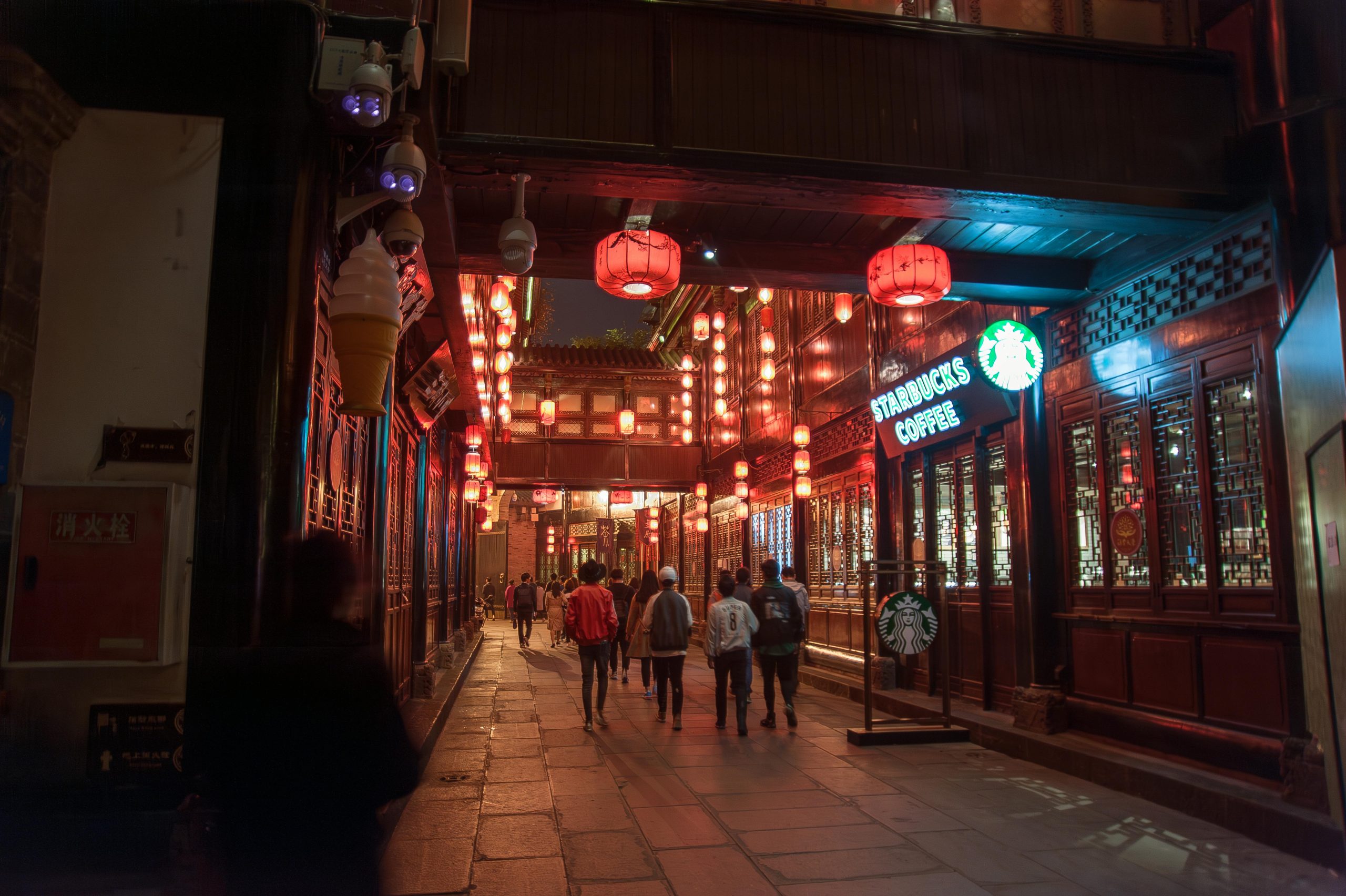
The afternoon drives back into central Chengdu for Kuanzhai Alley (*Kuanzhai Xiangzi*) — three parallel lanes dating to the Qing garrison era, each with a different pace. Wide Alley is for slow strolling and tea, Narrow Alley for craft shops, and Well Alley for courtyard restaurants. Your guide introduces traditional Sichuan courtyard architecture and the city’s famously unhurried tea culture.
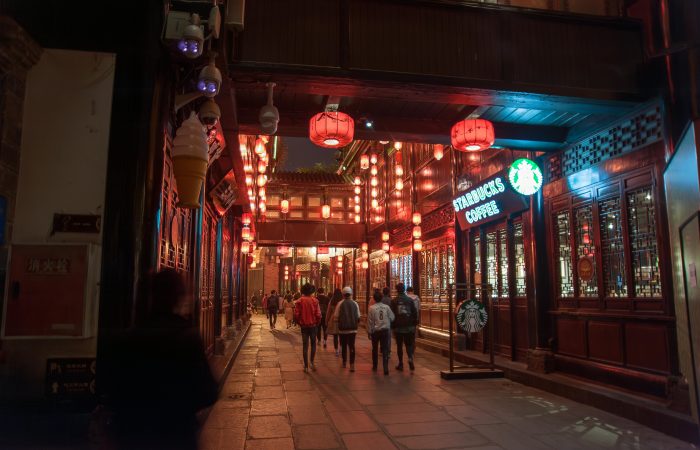
After sunset you continue to Jinli Ancient Street (*Jinli*) — a Three Kingdoms-era lane next to the Wuhou Shrine, reopened as the city’s busiest night-market spine. Dinner is a stand-up Sichuan-snack walk along the lane, with stops for whatever catches your eye.
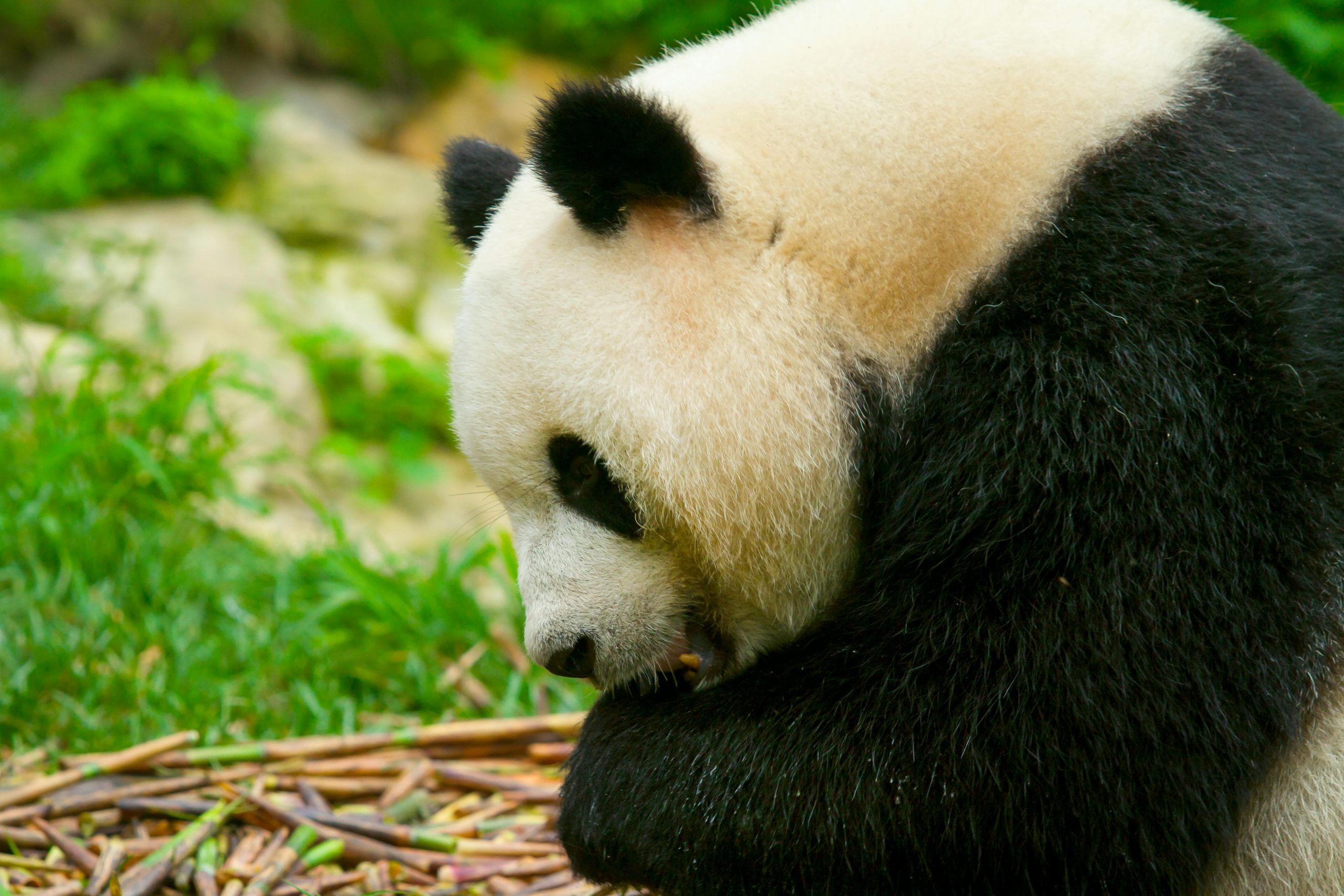
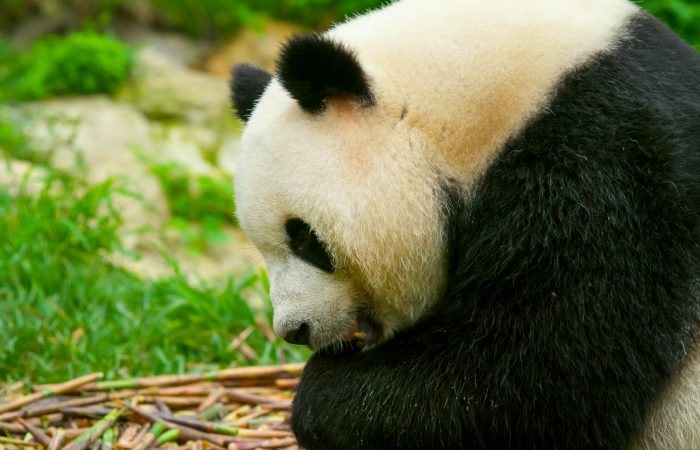
An early breakfast and a 40-minute drive bring you to the Chengdu Panda Base (*Daxiongmao Jidi*) at the morning feeding window — the only stretch of the day when the pandas are reliably awake and active. Your guide narrates the conservation story: how China brought the species back from the edge of extinction, and the role these animals have played as global ambassadors since the 1970s. The visit includes the Panda Tower viewpoint, the red-panda enclosures, and time to watch both adult and juvenile pandas.
Lunch is a farm-style meal near the base — light, traditional Sichuan home cooking.
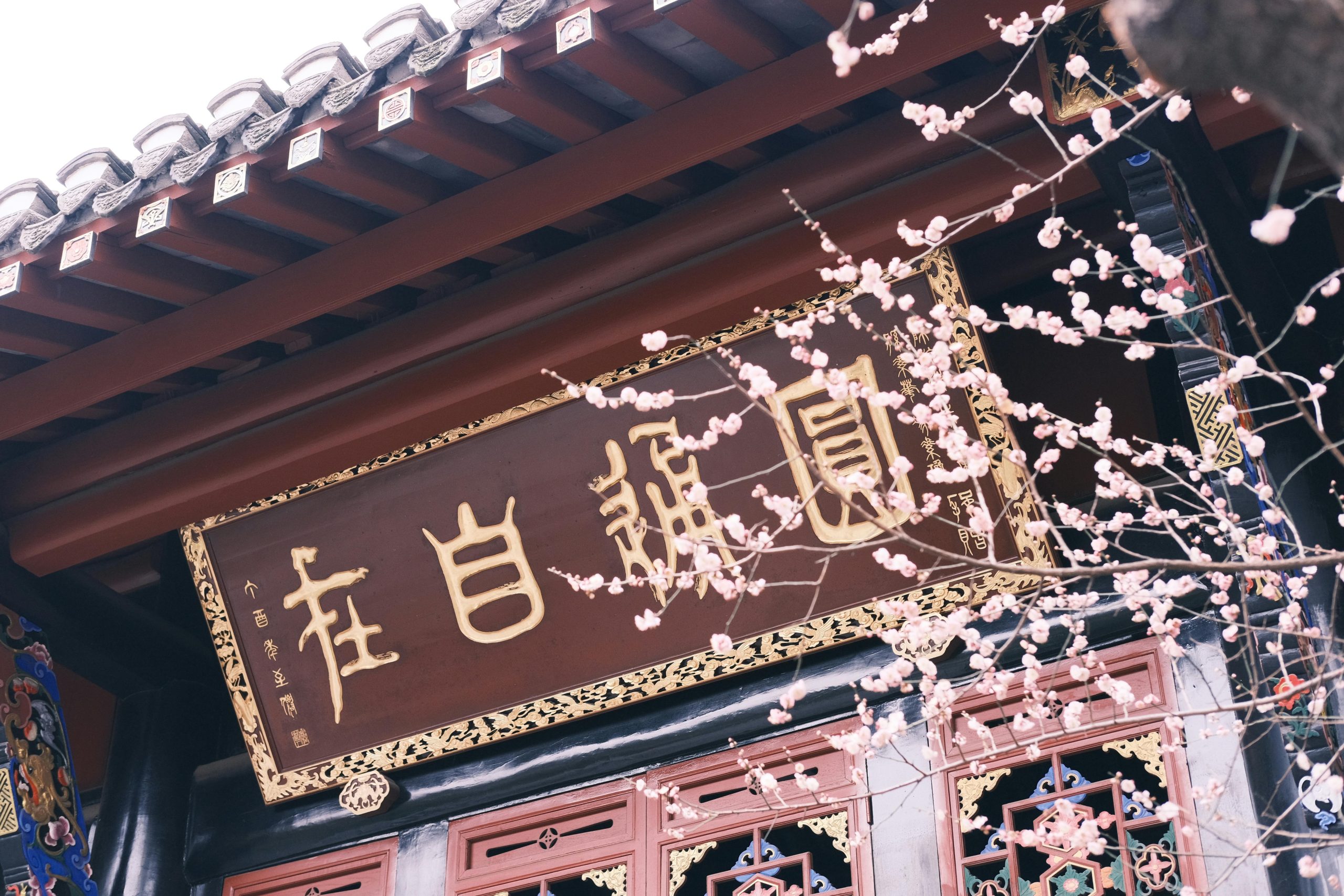
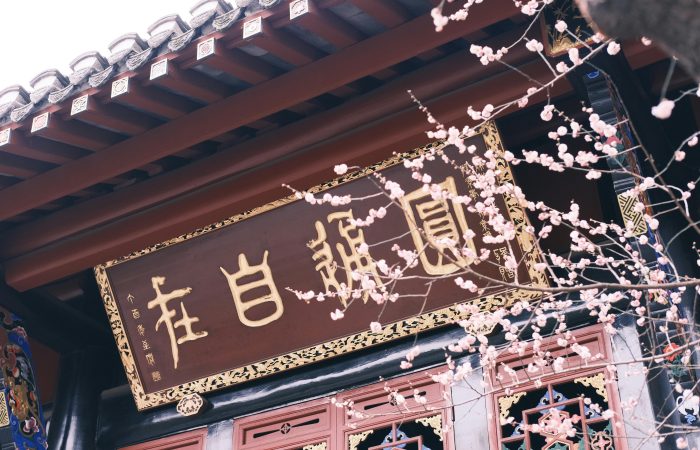
The afternoon shifts to Qingyang Temple (*Qingyang Gong*) — Sichuan’s oldest Taoist sanctuary, named for the pair of bronze goats in its courtyard. Inside the covered tea garden you take a Taoist tea meditation session with a Chengdu-style bowl-lid tea (*gaiwan cha*), sit through a guided introduction to Taoist quiet-mind practice in the Laozhuang Shuyuan reading hall, and end at the sutra-copying hall where you brush a passage of the Tao Te Ching to take home. The atmosphere here is the opposite of a touristic temple visit — slow, hushed, and rooted in living practice.
The evening returns to the hotel. Dinner is at your own pace — your guide leaves a curated list of nearby restaurants before stepping back.
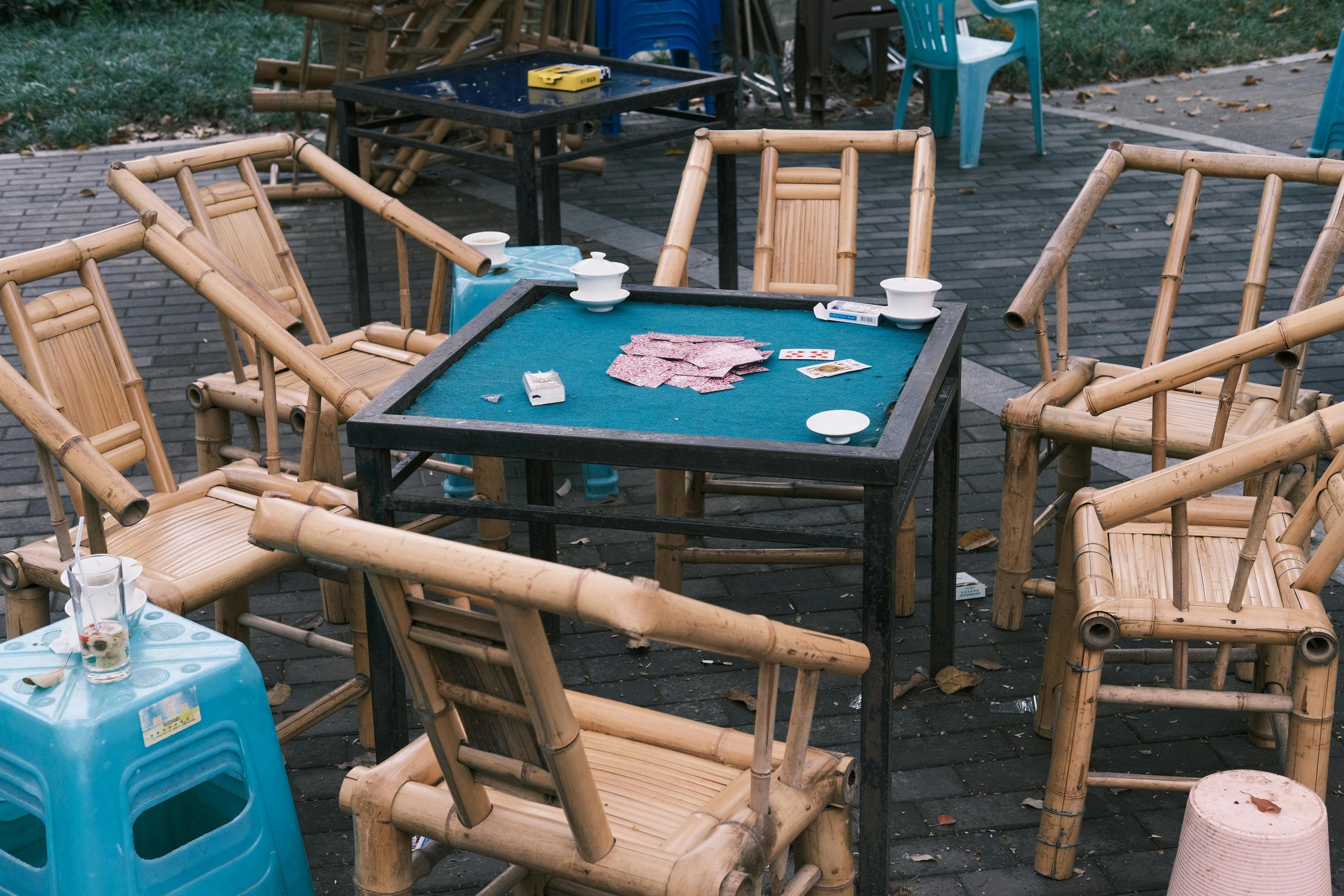
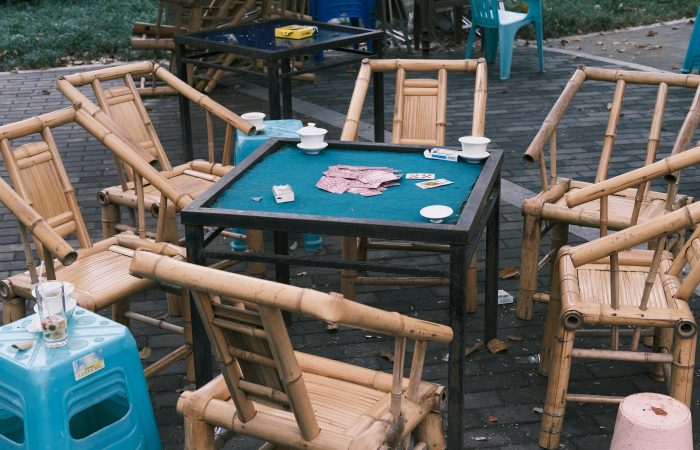
A relaxed breakfast and check-out. The morning is given over to People’s Park (*Renmin Gongyuan*) — Chengdu’s most beloved public garden, where locals come to drink tea under the camphor trees, play mahjong, get a sidewalk ear-cleaning, and nap in bamboo chairs. Your guide explains why the teahouse remains the social heart of Sichuan life, and orders you a covered-bowl tea at a long-running tea garden inside the park. Sit as long as you like — this is the rhythm Chengdu locals call slow living.
Lunch is a featured Chengdu meal nearby.
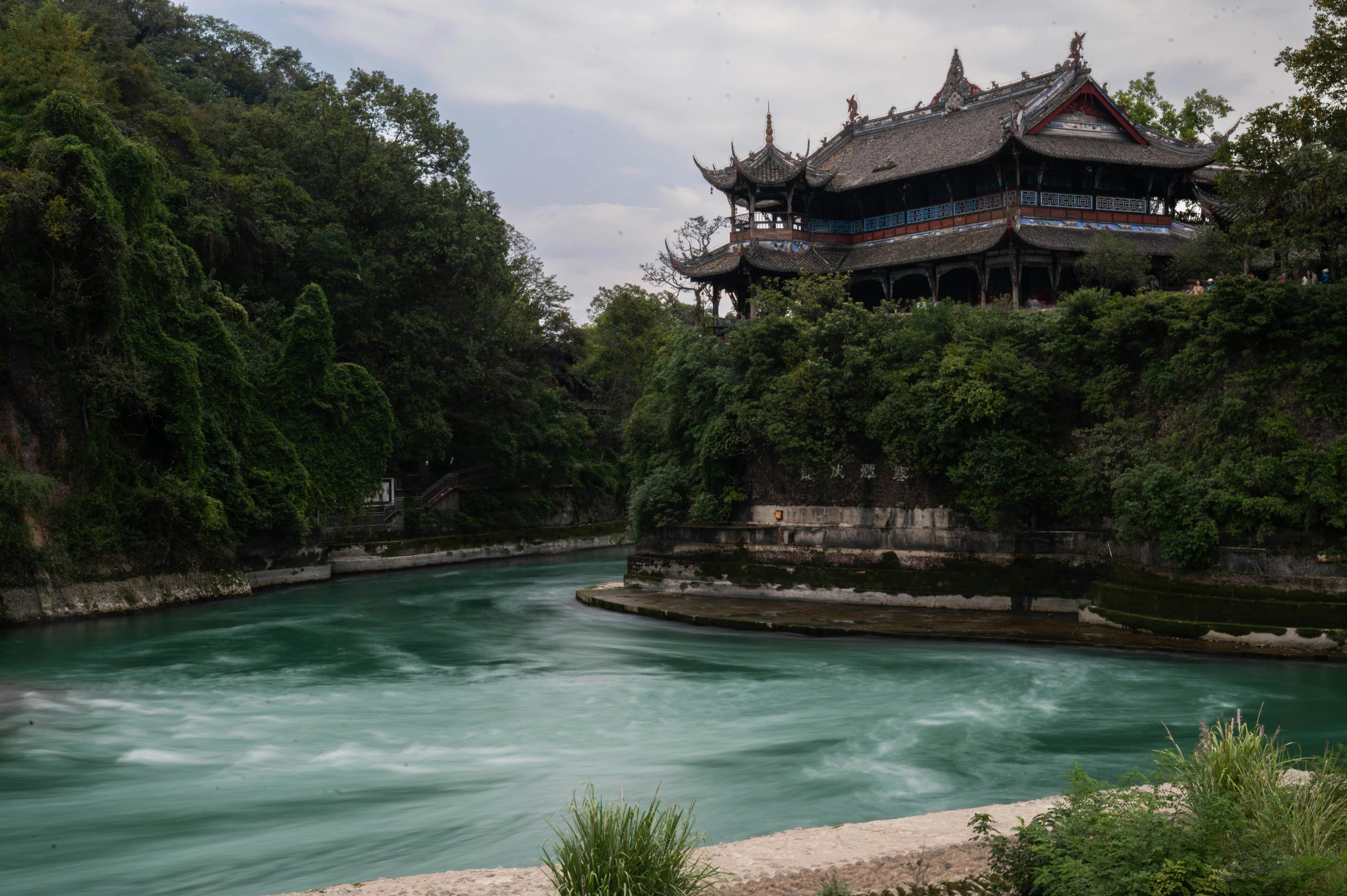
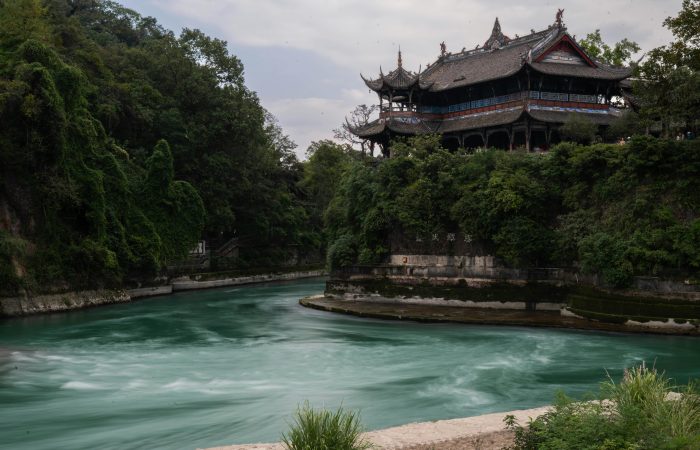
Around mid-afternoon, the drive west to Dujiangyan (*Dujiangyan*) takes about 90 minutes through the Chengdu plain. You arrive at the Dujiangyan Irrigation System in time for the late-afternoon light — a 2,200-year-old engineering work that still diverts the Min River across the Sichuan plain today, the world’s oldest large-scale civil-engineering project without a dam. Your guide walks you across the channel weirs, the Yuzui fish-mouth divider, the Feishayan spillway, and the Baopingkou bottleneck, and out onto the floodlit Anlan Suspension Bridge.
Dinner is a riverside meal at a local canal-side restaurant — fresh river fish and Dujiangyan classics — before checking in nearby for the night.
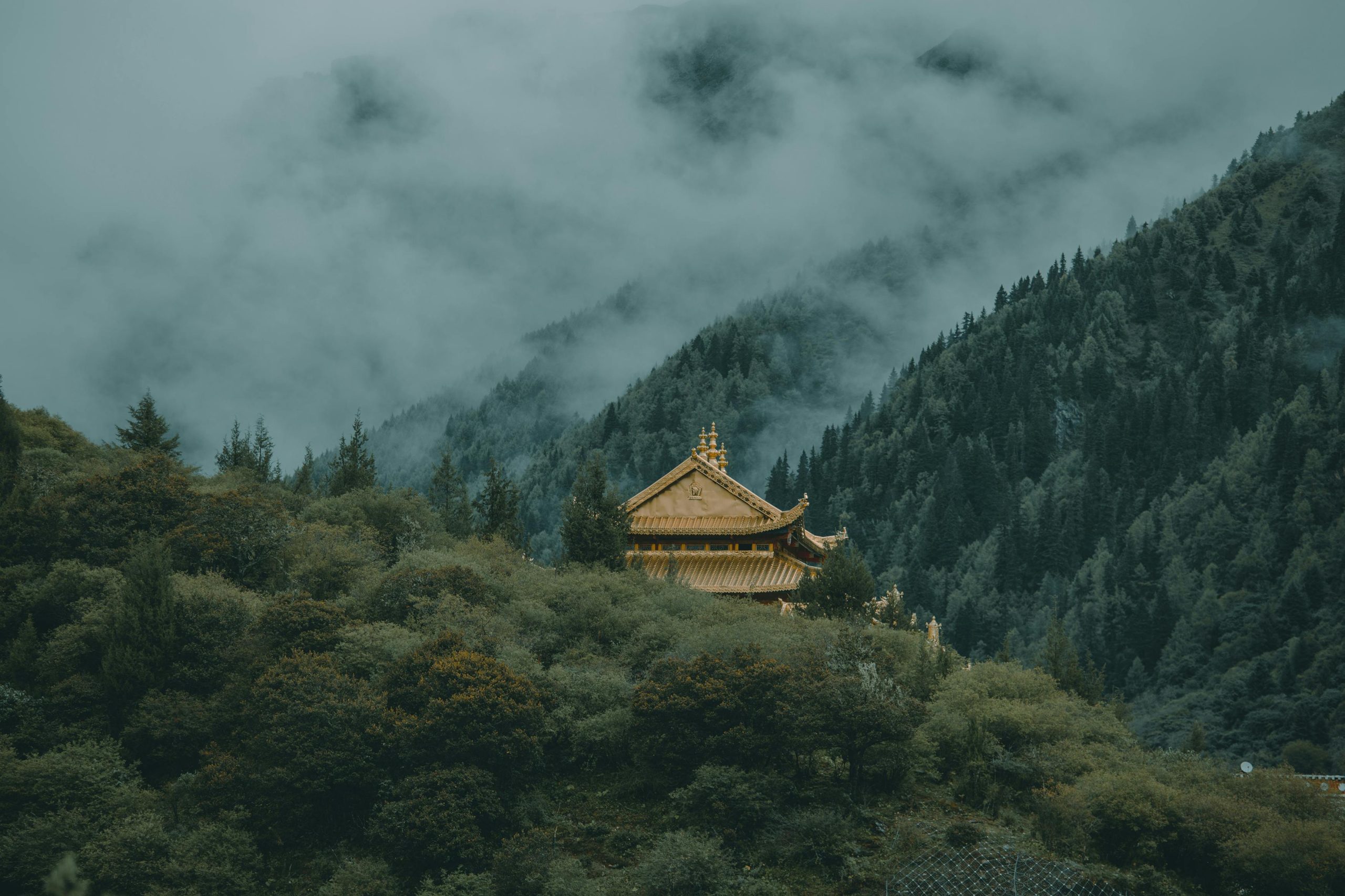
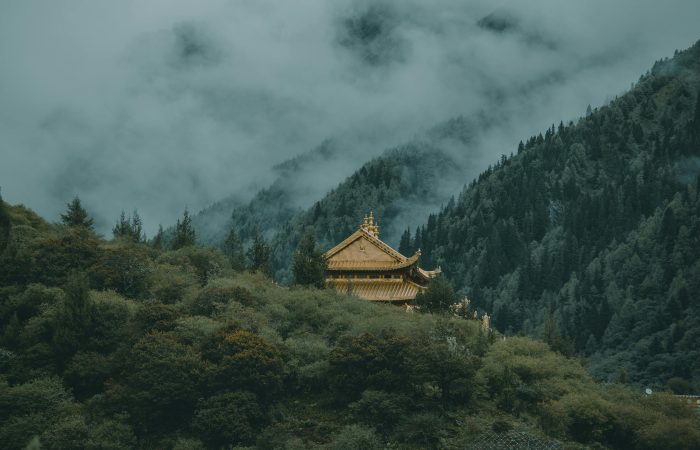
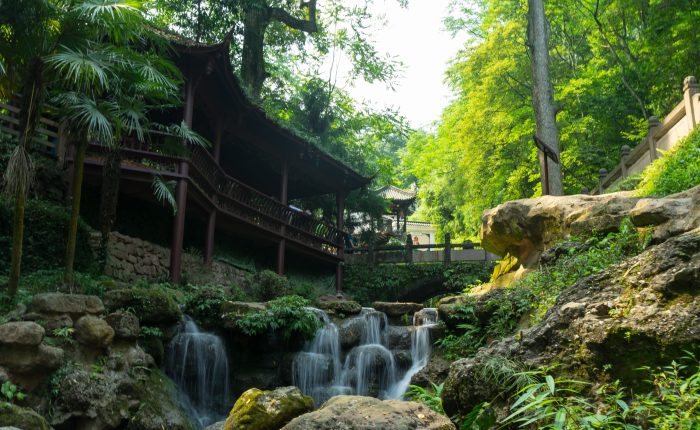
A leisurely breakfast and a short 30-minute drive bring you to Mount Qingcheng (*Qingcheng Shan*) — a sacred Taoist mountain where, in 142 CE, Zhang Daoling first organised Taoism as a religion. The mountain is small and green, wrapped in mist most days, walled by old-growth forest, and threaded by red-pillared temple pavilions hidden in the trees.
You enter at the front gate, take a short boat ride across Yuecheng Lake, and ride the cable car up the steepest section — this turns the day into a gentle uphill walk instead of a hard climb. Highlights along the way include Tianshi Cave (*Tianshi Dong*) — the cave where Zhang Daoling is said to have lectured — and the panoramic Shangqing Temple on the upper ridge. Your guide explains the difference between Taoism on this mountain and the Buddhist temples elsewhere in the country: Mount Qingcheng is a living monastic mountain, not a tourist set, and the pace and etiquette match. Pauses for tea at one of the wayside teahouses are part of the day.
Lunch is a mountain vegetarian meal at a temple-style restaurant — the local specialty.
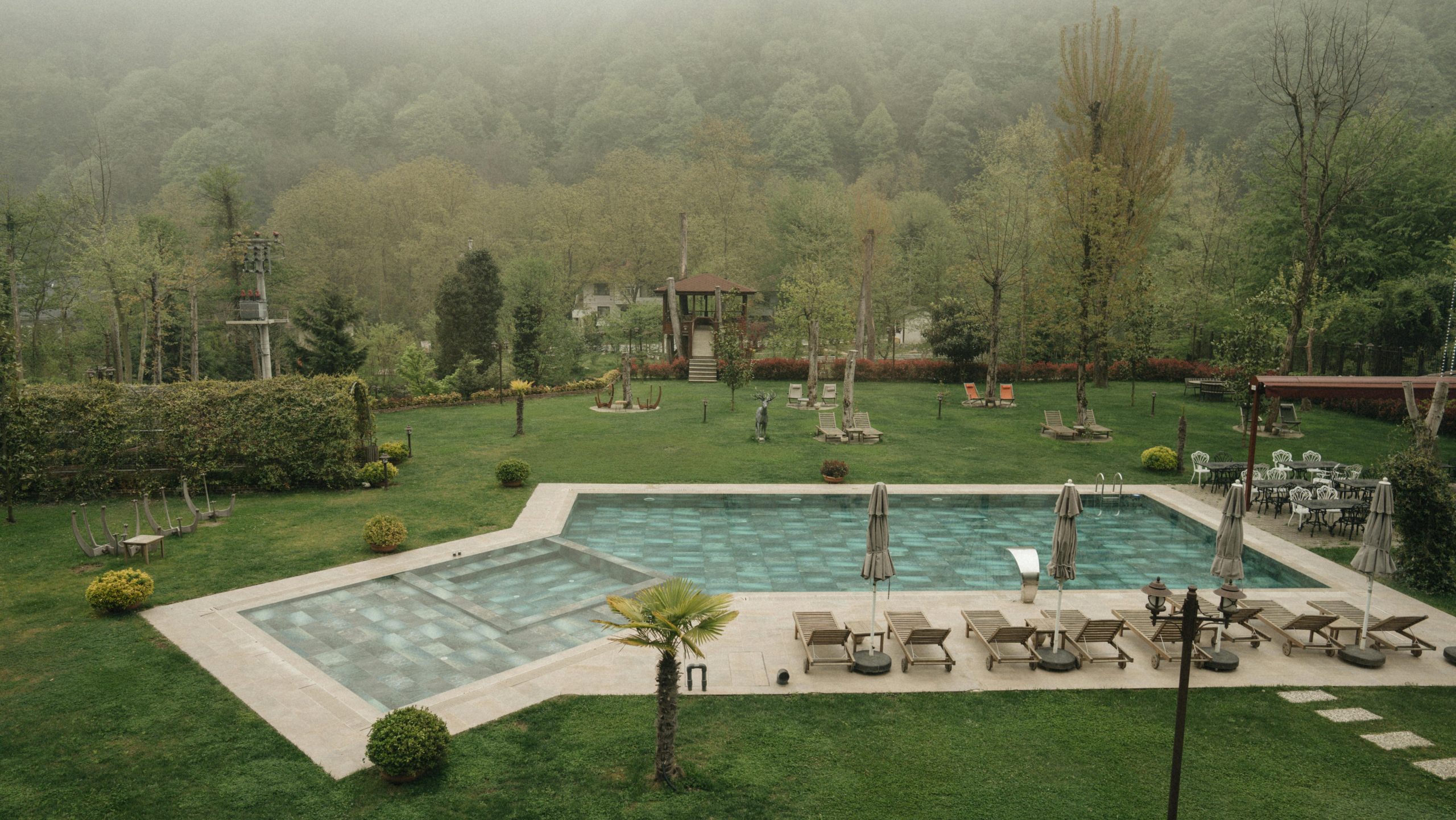
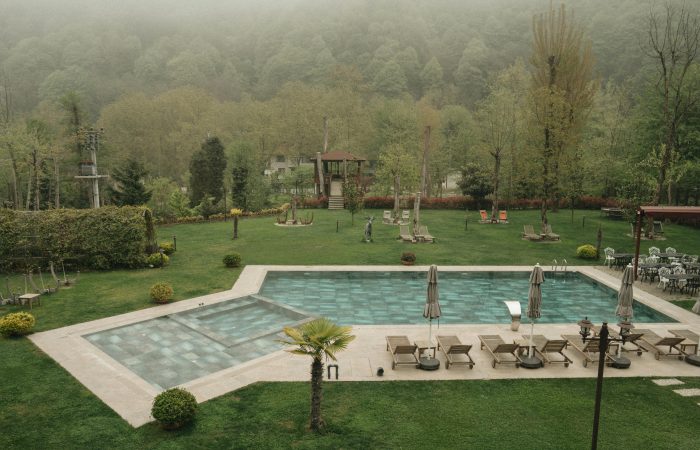
By late afternoon you check into the hot spring resort at the foot of the mountain — a forest-edge property with open-air mineral pools. Dinner is at the resort, followed by a long evening soak in the geothermal pools to ease tired legs.
After a slow breakfast at the resort, a 90-minute drive crosses back to Wenjiang (*Wenjiang*) — Chengdu’s eco-garden western district — for the day’s centrepiece: the Rongfu Tibetan Culture Museum (*Rongfu Bowuguan*). This private museum is the deepest collection of Tibetan manuscripts, ritual art, and printing-block sutras on the Chengdu plain. The morning is a privately guided tour of the collection with the museum’s own resident scholar, who walks you through the long literary connection between western Sichuan and the Tibetan plateau, and lets you handle a few of the working manuscripts up close.
Lunch is a Tibetan-influenced meal at the museum — barley, butter tea, and Sichuan-Tibetan fusion dishes.
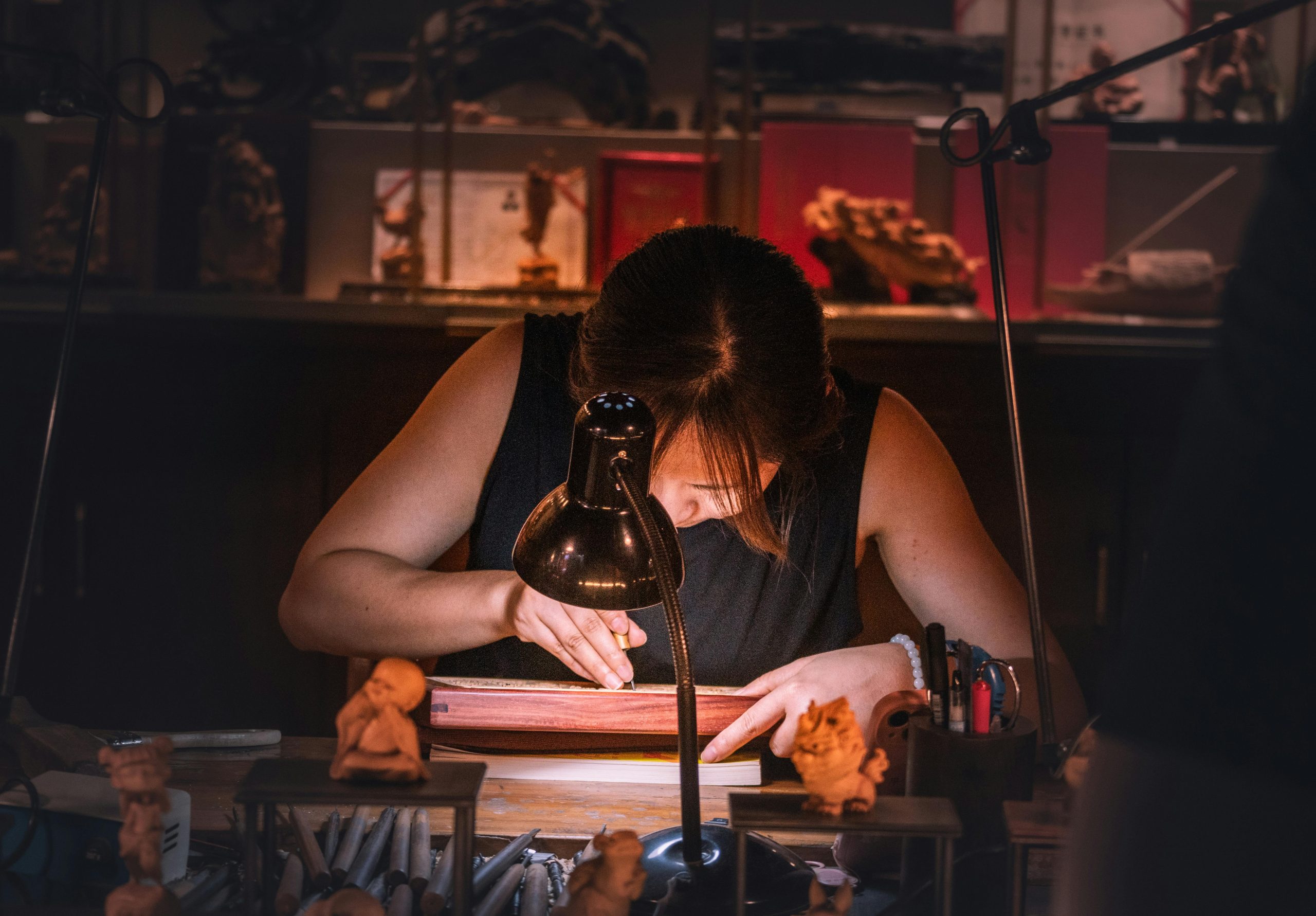
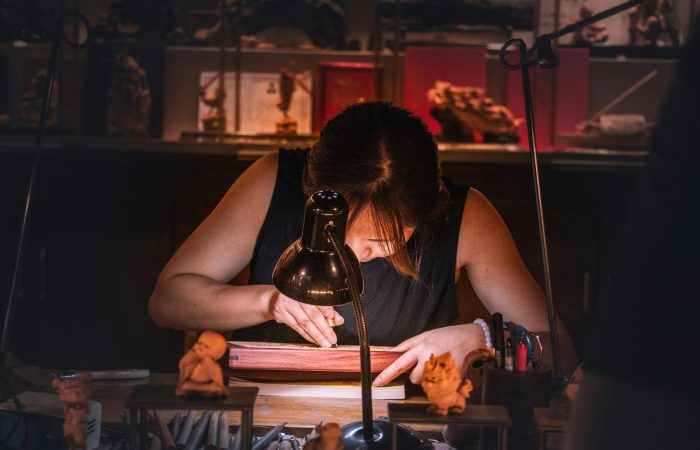
The afternoon is a hands-on Tibetan craft workshop covering three traditional practices: hand-rolling natural Tibetan incense from juniper and herbs, pressing clay ts’a-ts’a (*cha cha*) ritual tablets, and outlining a thangka (*tangka*) under a craftsperson’s guidance, plus copying a short passage from a Tibetan sutra in calligraphy. Everything you make is yours to take home.
In the early evening, the drive back to central Chengdu takes about 90 minutes. After hotel check-in, the evening is free. If you would like to walk and eat, your guide recommends the Chunxi Road (*Chunxi Lu*) shopping district close by — Chengdu’s best evening street life and a good place to pack up the trip’s last souvenirs.
A final breakfast and a relaxed morning to pack at your own pace.
Your private driver takes you to Chengdu Tianfu International Airport, Chengdu Shuangliu International Airport, or Chengdu East Railway Station, timed to your flight or train. The drive is 30–60 minutes depending on terminal. Your driver assists with luggage at the door before the journey closes.