Ten days at a lakeside retreat in southeastern Shanxi — a structured weight-management and mind-body course, not a sightseeing route.
Mornings open with a meridian-clearing warm-up and a slow lake-loop jog. Each day then turns to a different chapter of the wellness arc: science of weight management, aerobic technique, strength and metabolism, food-as-medicine, and three sessions on emotion management running across Days 6, 7 and 8 — paired with TCM herbal-tea meditation, mindful lake walking, group reflection, and quiet evenings. Two days break the rhythm with intangible-heritage culture: paper cutting in week one, Jin embroidery and the Beizhuang eight-tone music ensemble in week two. The journey closes with a closing ceremony, a half-day visit to the Iron Buddha Temple’s Ming-dynasty deity sculptures, and a stop at the new Tsai Chih-chung Art Museum before the drive back to the airport.
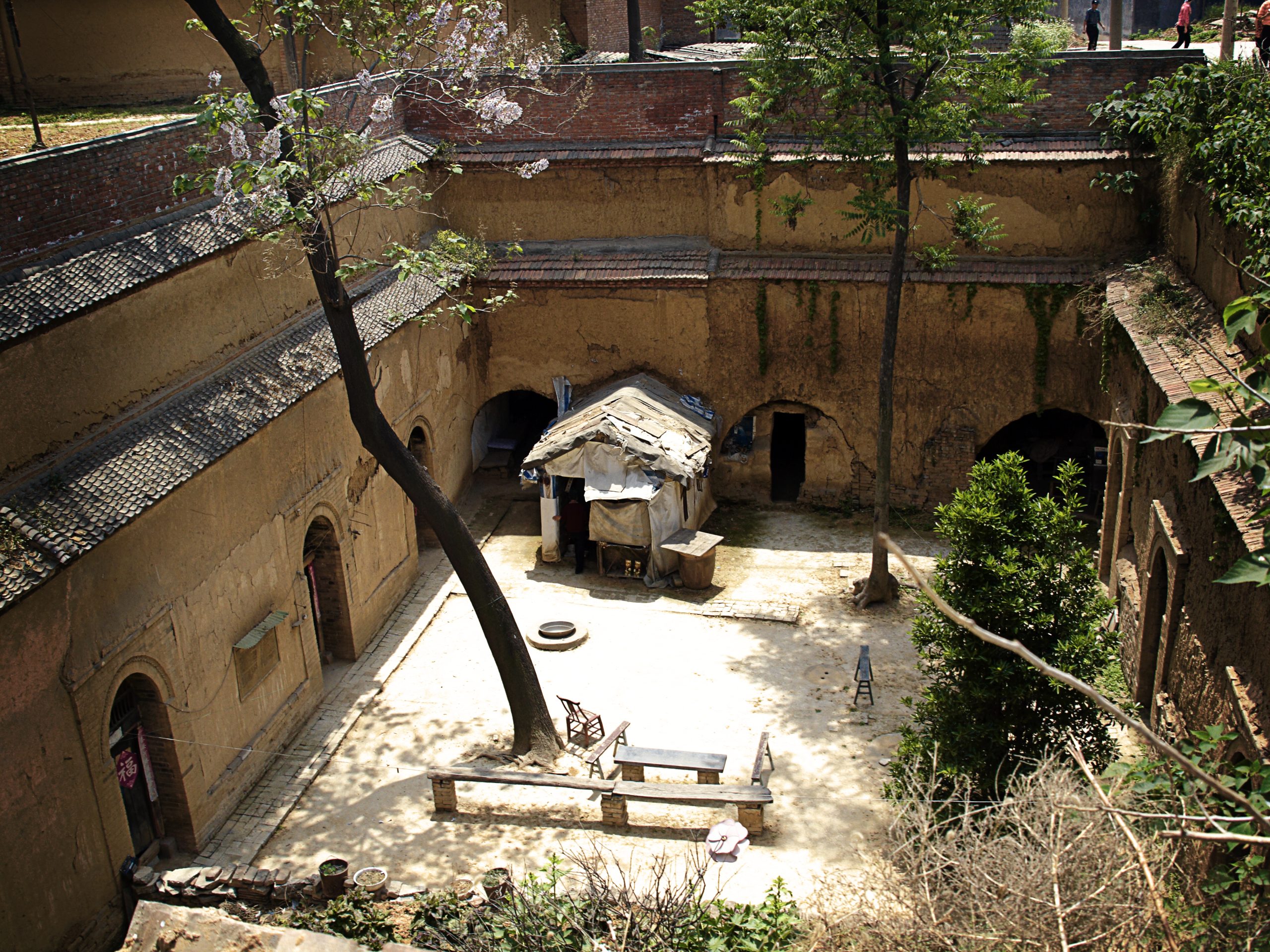
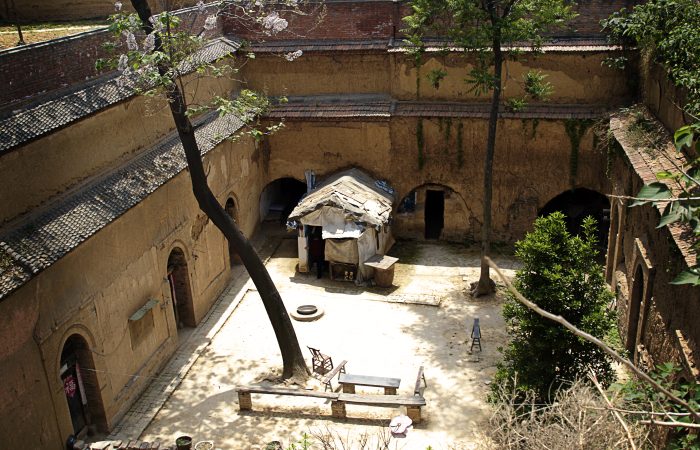
Arrive in Jincheng at your own pace and make your way to the retreat property by the lake. The team welcomes you on arrival, walks you through the daily rhythm of the next ten days, and gets you settled into your room — the choice between a modern boutique room or a themed cave-courtyard (yaodong) room is set at booking.
The rest of the day is unscheduled. Take a slow walk around the lake, rest from the journey, and let the time-zone lag start to ease.
Dinner is the only included meal today — a light, easy welcome supper that introduces the kitchen’s food-as-medicine approach without front-loading anything heavy on the first night.
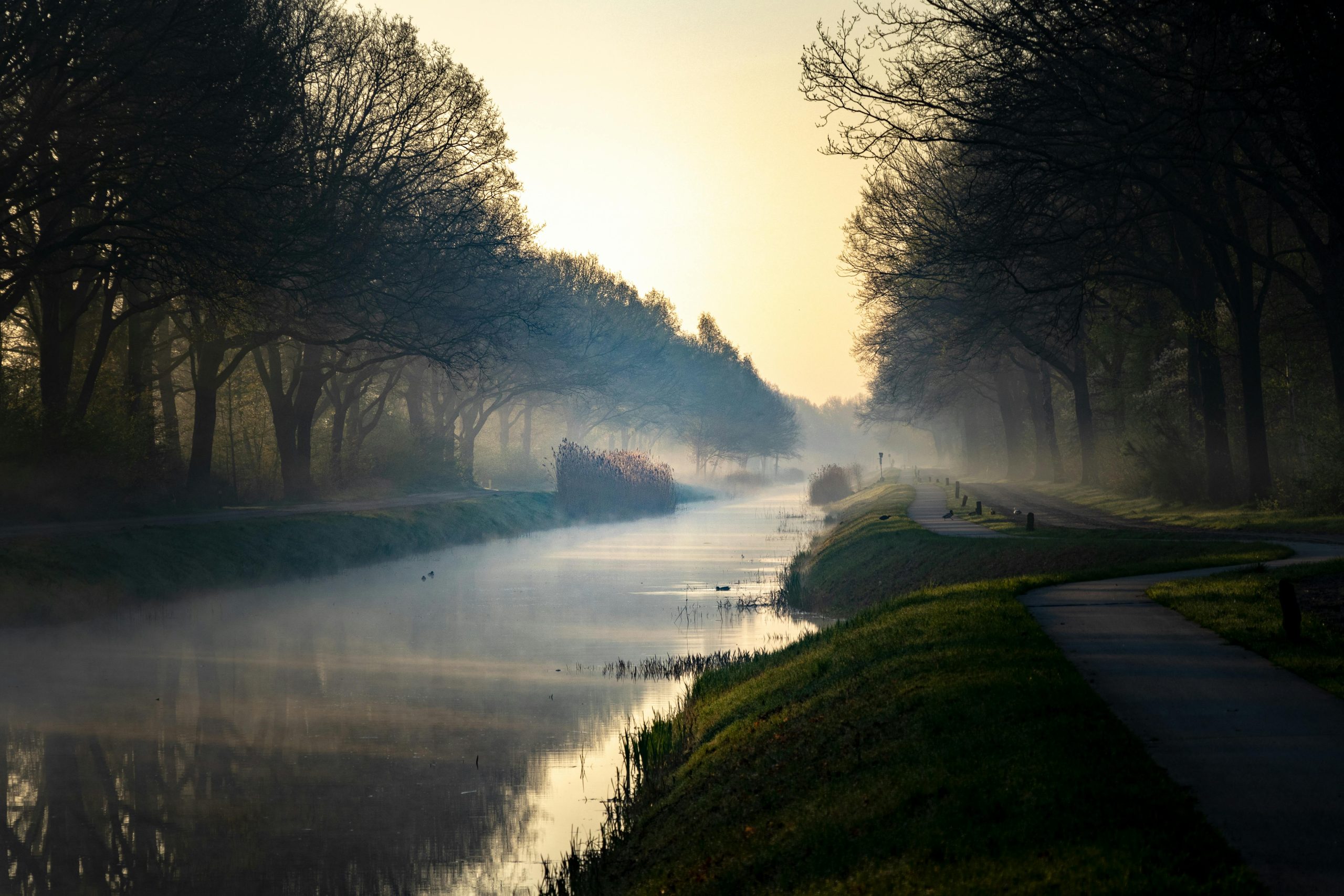
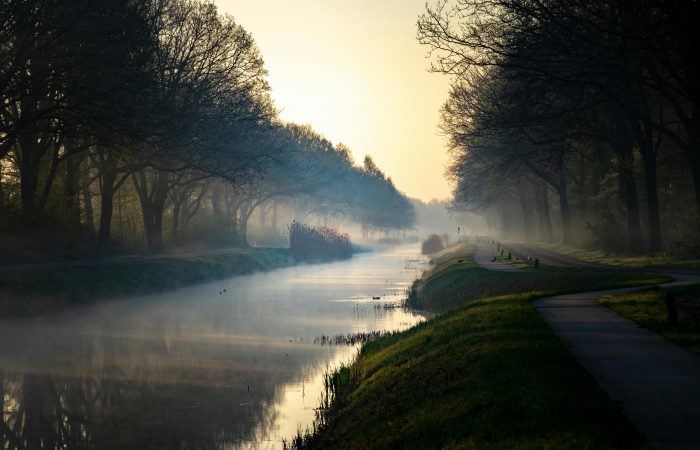
Morning starts with a meridian-clearing warm-up — slow movements designed to open the body’s circulation channels — followed by a lake-loop jog at an easy pace around the property. Walk it if you prefer; the goal is to start the day in motion, not to push.
Custom low-fat breakfast follows, balanced for energy and the day’s calorie target.
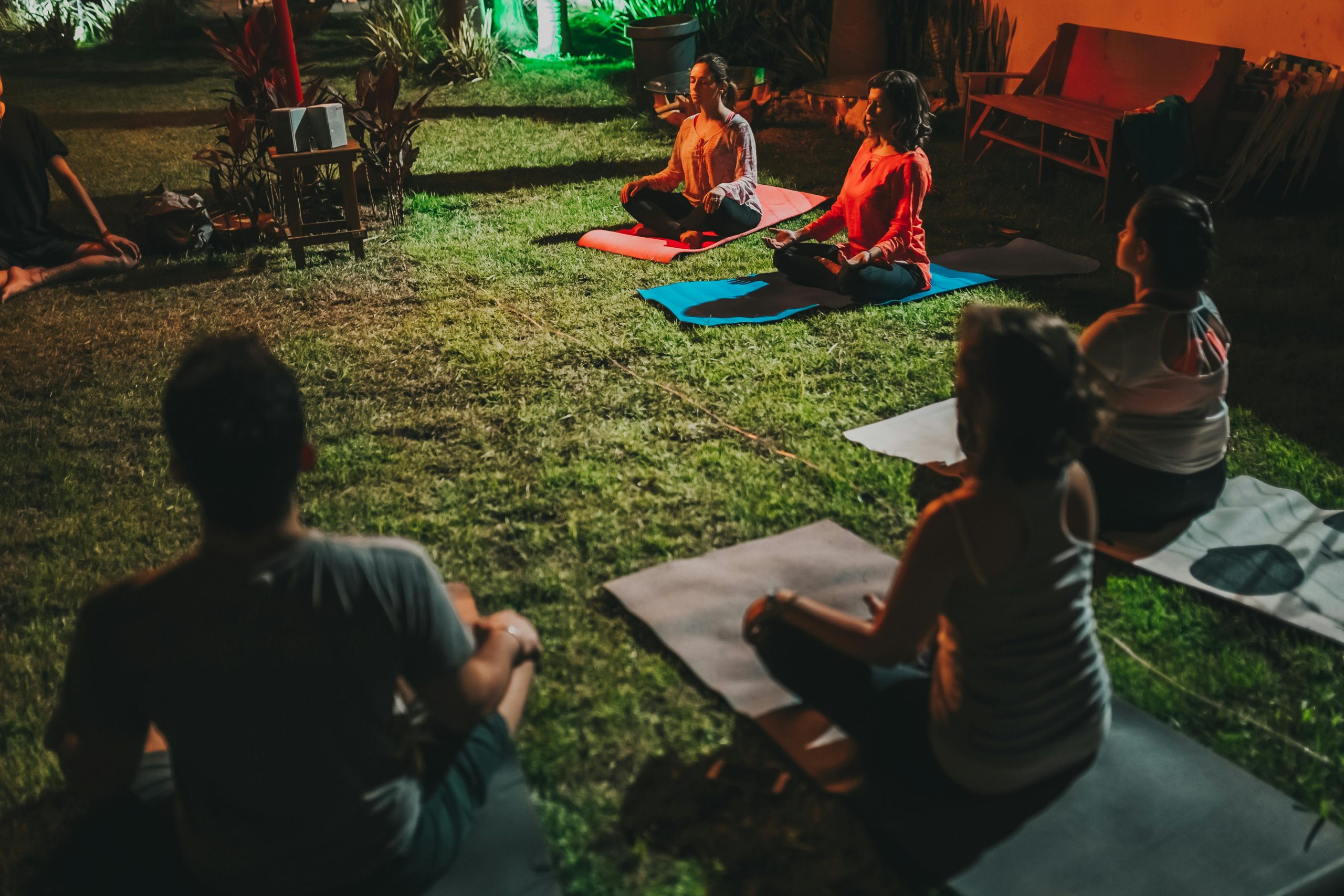
The core session today is the Science of Weight Loss — a structured lesson that unpacks the most common misconceptions and lays out the evidence-based framework the next eight days will build on. A short mind-body balance session closes the morning, helping body and mind settle into the same rhythm.
Lunch and afternoon move into group discussion and Q&A, then a guided meditation to ease first-day nerves.
Dinner, then an interactive massage session in the evening — a hands-on introduction to muscle release that helps you sleep through the schedule shift.
The morning routine continues — meridian-clearing warm-up and lake-loop jog at the same easy pace. By Day 3 the loop starts to feel familiar, which is the point.
Scientific nutrition breakfast follows, sized for an active day.
The core session is Aerobic Training for Weight Loss — efficient fat-burning technique, heart-rate zones, and the kind of cardio that holds up after the retreat ends. The mind-body balance session afterwards adds coordination work to bank the gains.
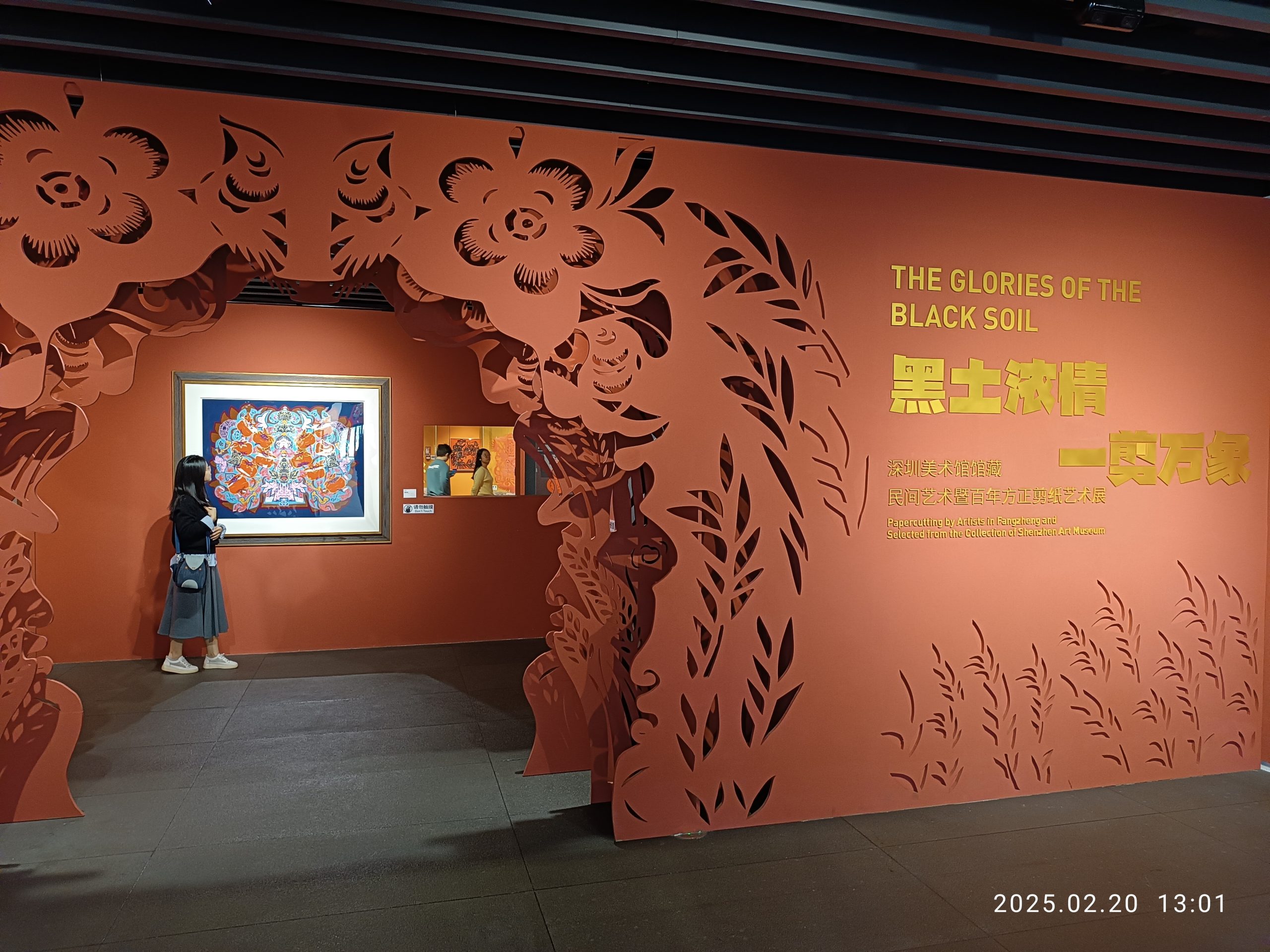
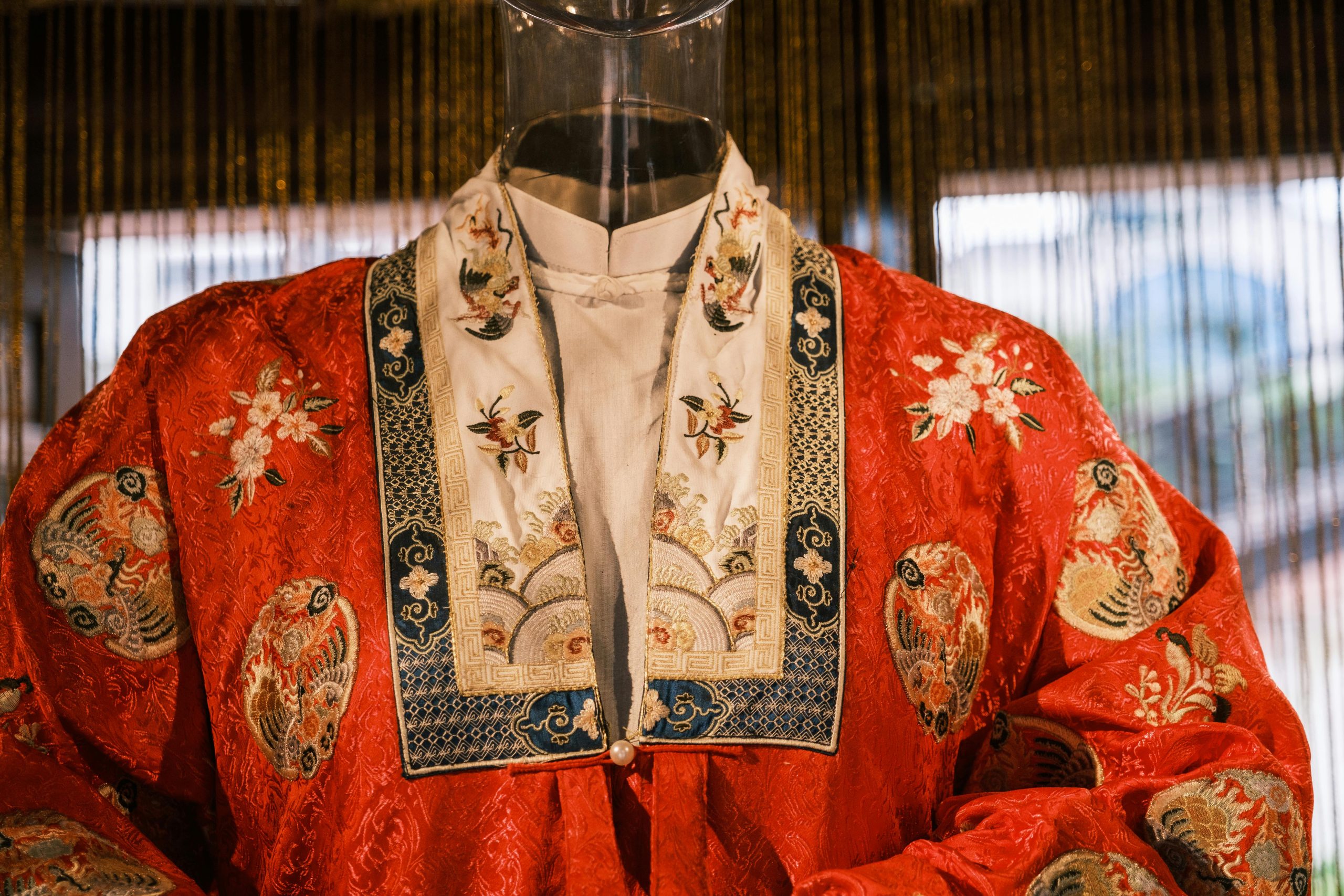
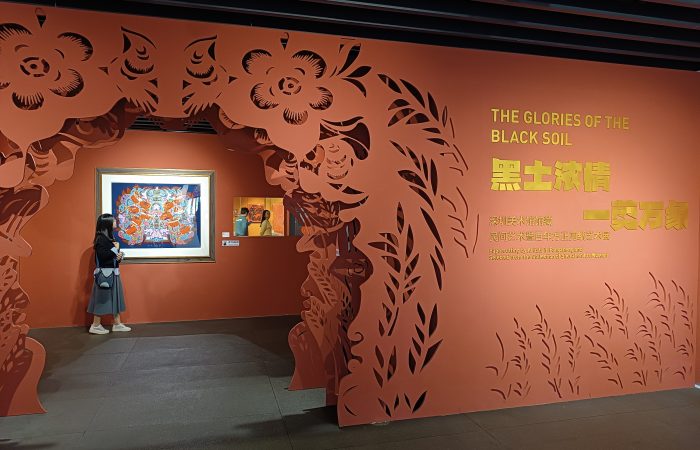
The afternoon shifts into culture with a paper-cutting workshop (*jianzhi*) — a heritage-trained Shanxi instructor walks the group through symmetry, fold patterns, and the symbolism behind common motifs. You make and keep your own piece.
In the evening, a mindful lake walk closes the day — slower than the morning loop, attention-led rather than pace-led, designed to clear the head before sleep.
Same morning rhythm — meridian-clearing warm-up and an easy lake-loop jog.
Custom protein-rich breakfast sets up the day’s strength work — fuel for muscle repair and metabolic recovery.
The core session is Strength Training for Weight Loss — technique-focused work on the lifts and movements that raise resting metabolic rate. The session is led, not solo; guests at any starting fitness level are paired with appropriate loads. The mind-body balance session follows to release post-training tension.
Lunch is built around recovery nutrition.
The afternoon turns to group sharing and meditation — a chance to debrief the morning’s effort, talk through how it landed, and reset the nervous system before evening.
The evening shifts emotional gears with music and dance therapy — guided movement to rhythm, designed to release whatever the body is still holding from the day’s work. It is not performance, and no dance experience is needed.
The morning routine continues — meridian-clearing warm-up and lake-loop jog.
Breakfast today is food-as-medicine themed — the kitchen pairs ingredients with the morning’s lesson so you taste the principle as you learn it.
The core session is Food as Medicine — pairing rules, seasonal ingredient logic, and the dietary principles that anchor the rest of the curriculum. The mind-body balance session afterwards focuses on movements that support digestive function.
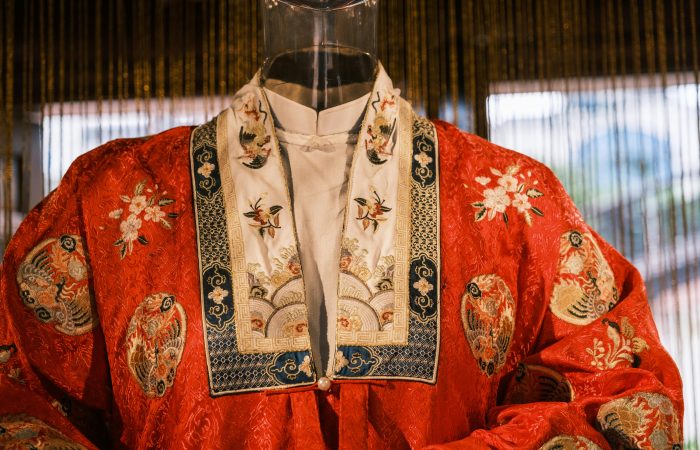
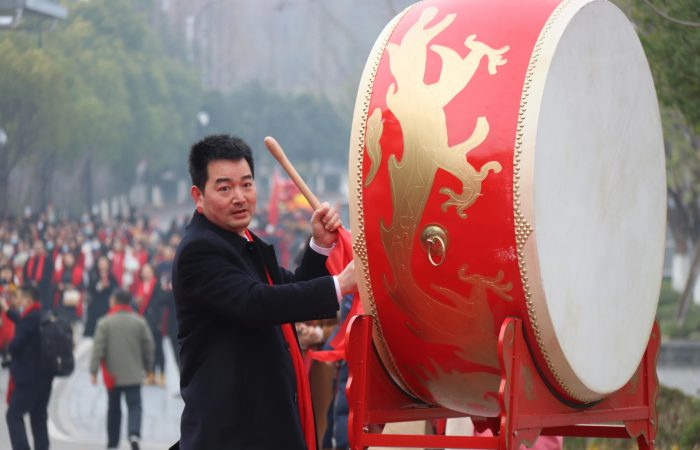
The afternoon belongs to intangible-heritage culture — first a Jin embroidery workshop (*jinxiu*) with a Shanxi craft master, then an evening with the Beizhuang eight-tone music ensemble (*bayinhui*) — a 700-year-old southeastern Shanxi folk-music tradition on the national intangible heritage list — and the local hobby-horse dance (*zhumawu*) that travels with it. The village ensemble brings the music and the dance to the property; you watch, listen, and join in where the format invites it.
The evening is left open afterwards — quiet rest at your own pace once the cultural programme winds down.
Same morning open — meridian-clearing warm-up and lake-loop jog.
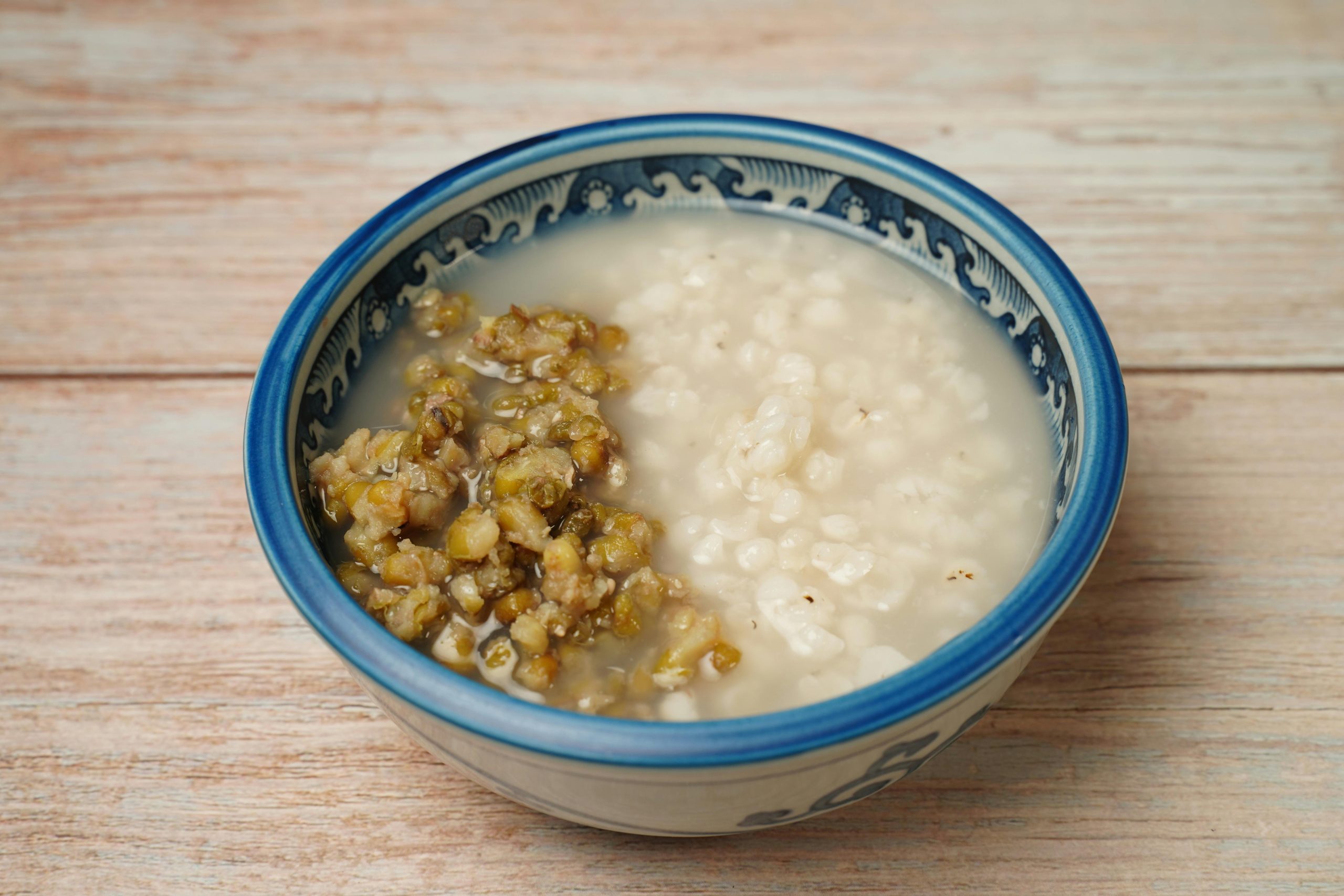
Breakfast today is mood-regulating themed — ingredients chosen for their calming effect, again paired with the lesson coming next.
The core session is Awakening the Self · Emotion Management I — the first of three modules on stress, with practical work on identifying triggers and using basic regulation techniques. The session draws an explicit connection between emotional state and weight management — a thread the next two days will deepen. The mind-body balance session works with the breath to discharge what comes up.
Lunch is followed by a group discussion and meditation — quieter than the earlier days, more inward.
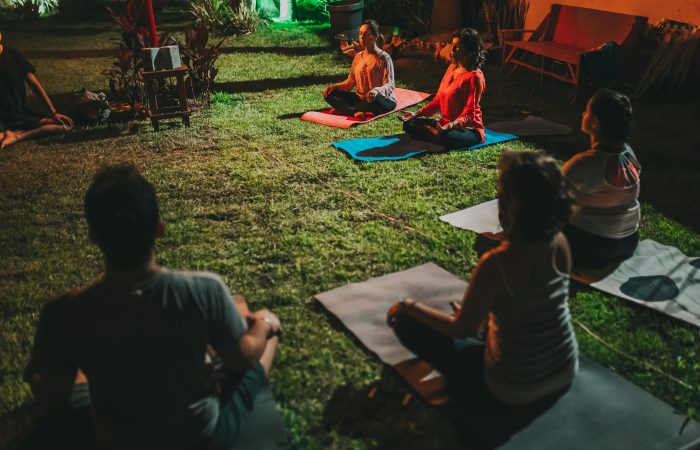
The evening is a mindful lake walk — same path as the morning jog, different attention. The setting does the work: water, trees, slowed breathing, settling thoughts.
Meridian-clearing warm-up and lake-loop jog open the day.
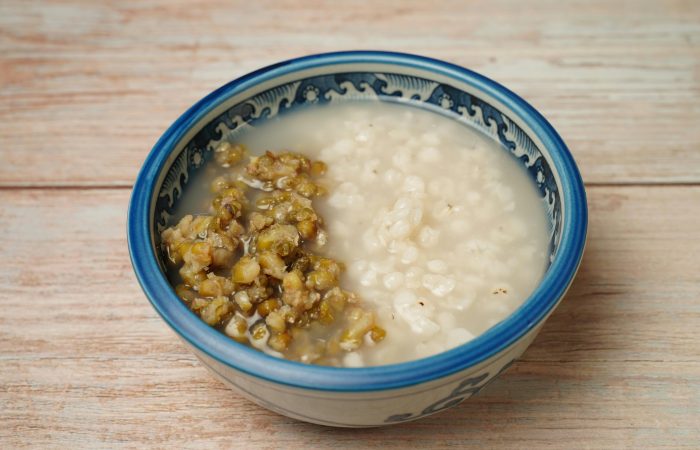
Breakfast today is TCM-themed — dampness-clearing and spleen-supporting ingredients chosen to align with the afternoon’s TCM session.
The morning’s core session is Awakening the Self · Emotion Management II — deeper work on processing and releasing emotional patterns that everyday routines paper over. The mind-body balance session afterwards uses paired-movement work to anchor the body in the same change.
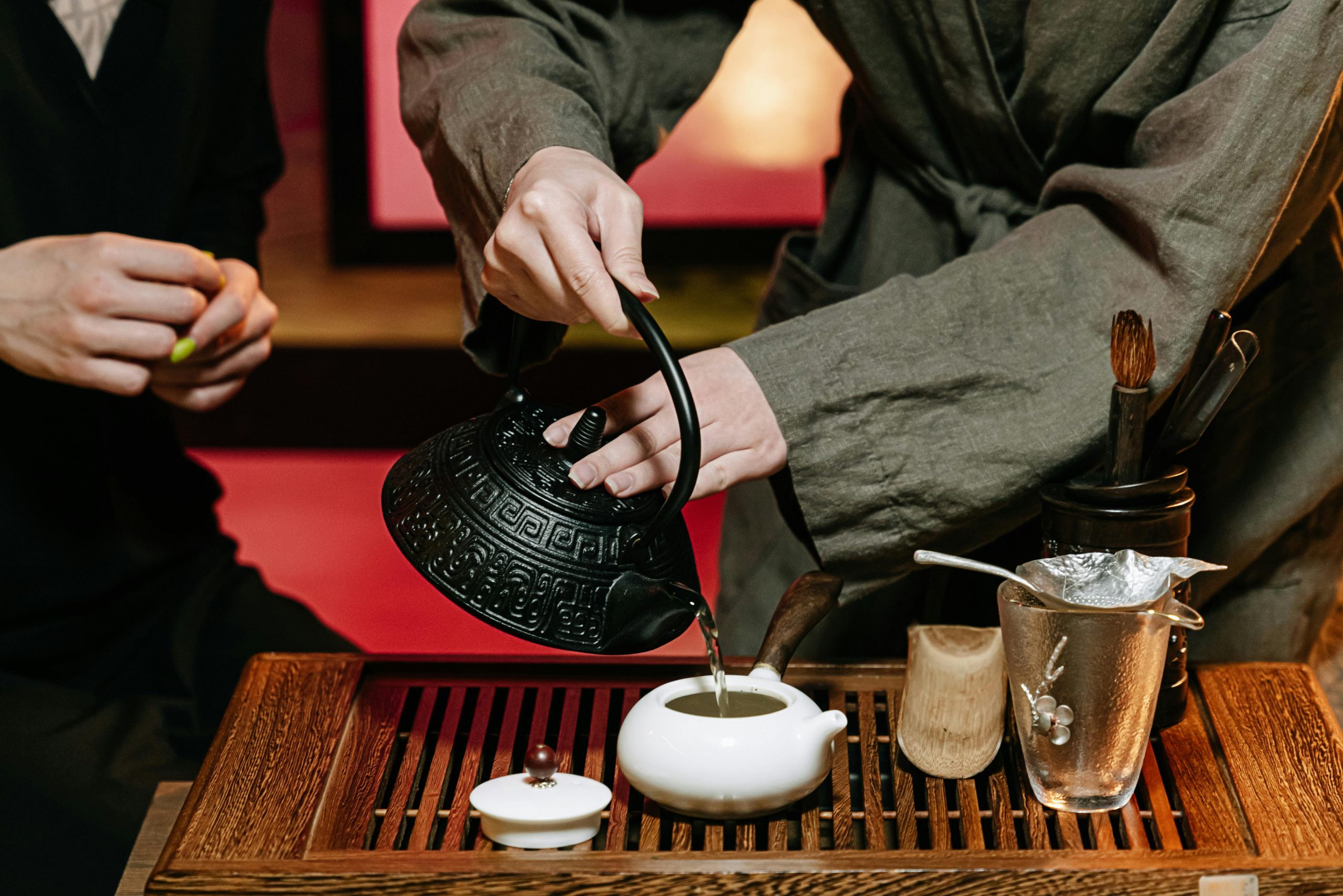
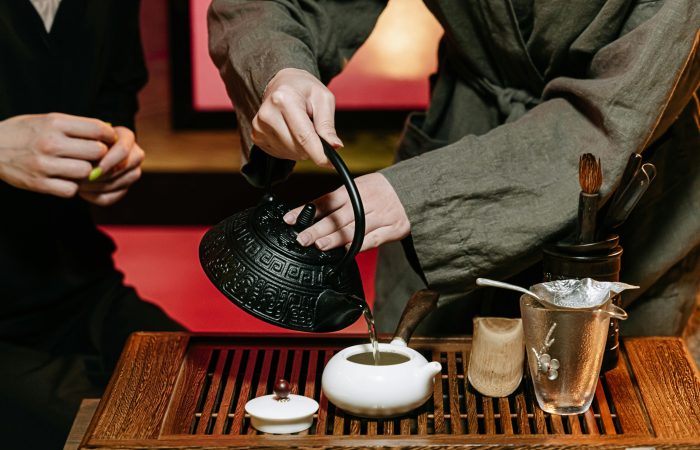
The afternoon’s centrepiece is the TCM zen-tea meditation (*chancha*) — a Traditional Chinese Medicine practitioner pairs slow tea drinking with three classical TCM principles: clearing dampness (*qushi*), supporting the spleen (*jianpi*), and regulating qi flow (*liqi*). The session is observational, sensory, and educational rather than clinical — no needles, no strong herbs, no diagnosis.
The evening is left unscheduled, so the body has time to settle the work the tea began.
Same morning rhythm one last time — meridian-clearing warm-up and lake-loop jog. By Day 8, the loop is no longer about effort. It is about marking the eight mornings.
Breakfast is the review-week menu — balanced rather than themed, the kitchen letting the curriculum settle.
The morning’s core session is Awakening the Self · Emotion Management III — the final module, focused on consolidating the techniques and translating them into habits that travel home with you. A long mind-body balance session threads the body through the whole eight-day arc.
The afternoon is group review and personal reflection — what you came in with, what shifted, what you want to keep.
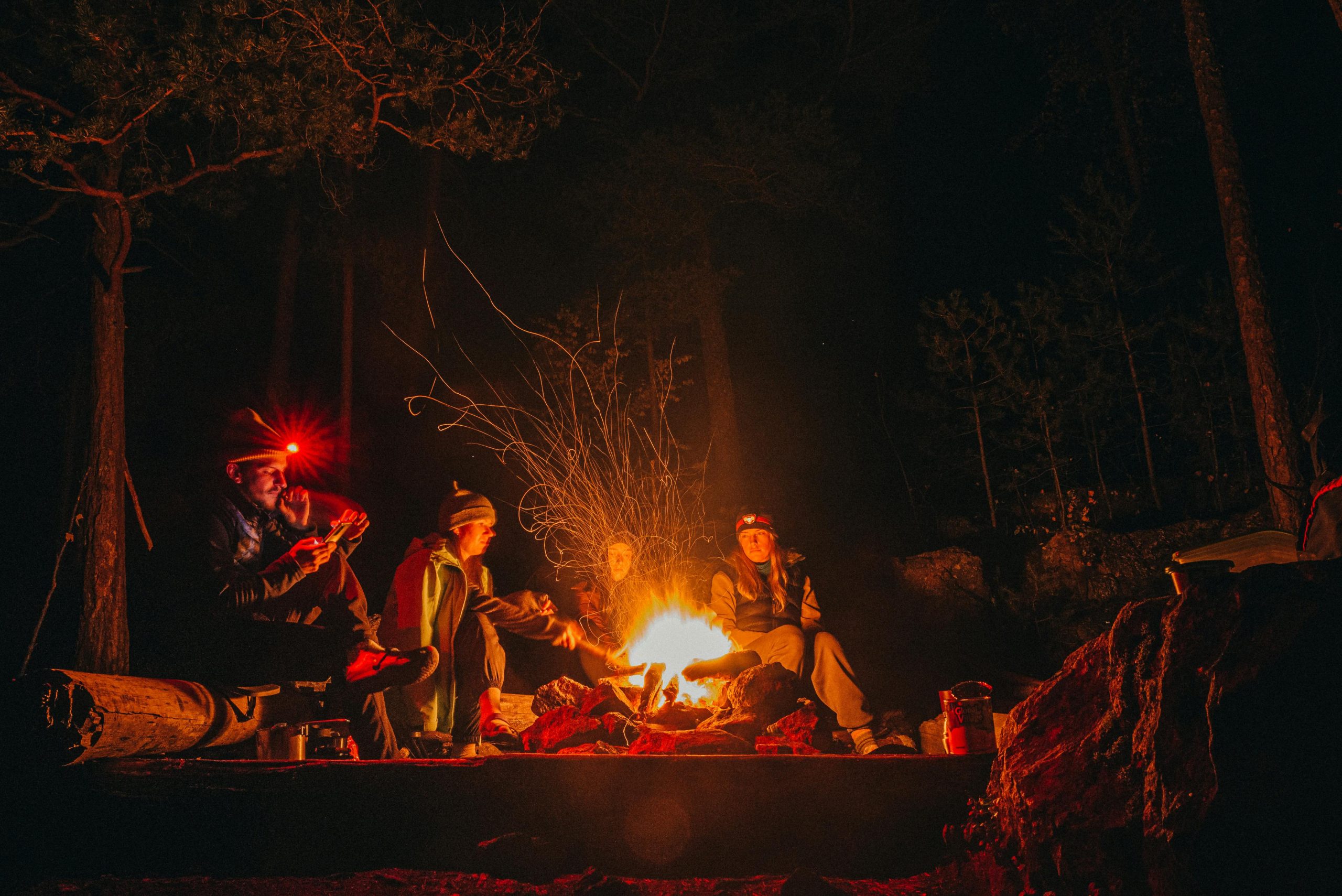
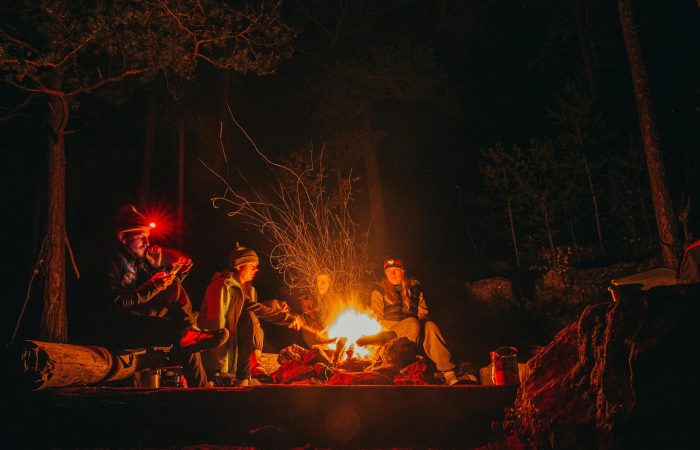
The evening is a closing campfire — informal, warm, the group together one more time before the schedule loosens. Music if anyone wants it. Quiet otherwise.
Final morning lakeside — meridian-clearing warm-up and a slower lake-loop walk to mark the closing day.
Breakfast today is the graduation menu — balanced for both the morning’s emotional weight and the day’s travel ahead.
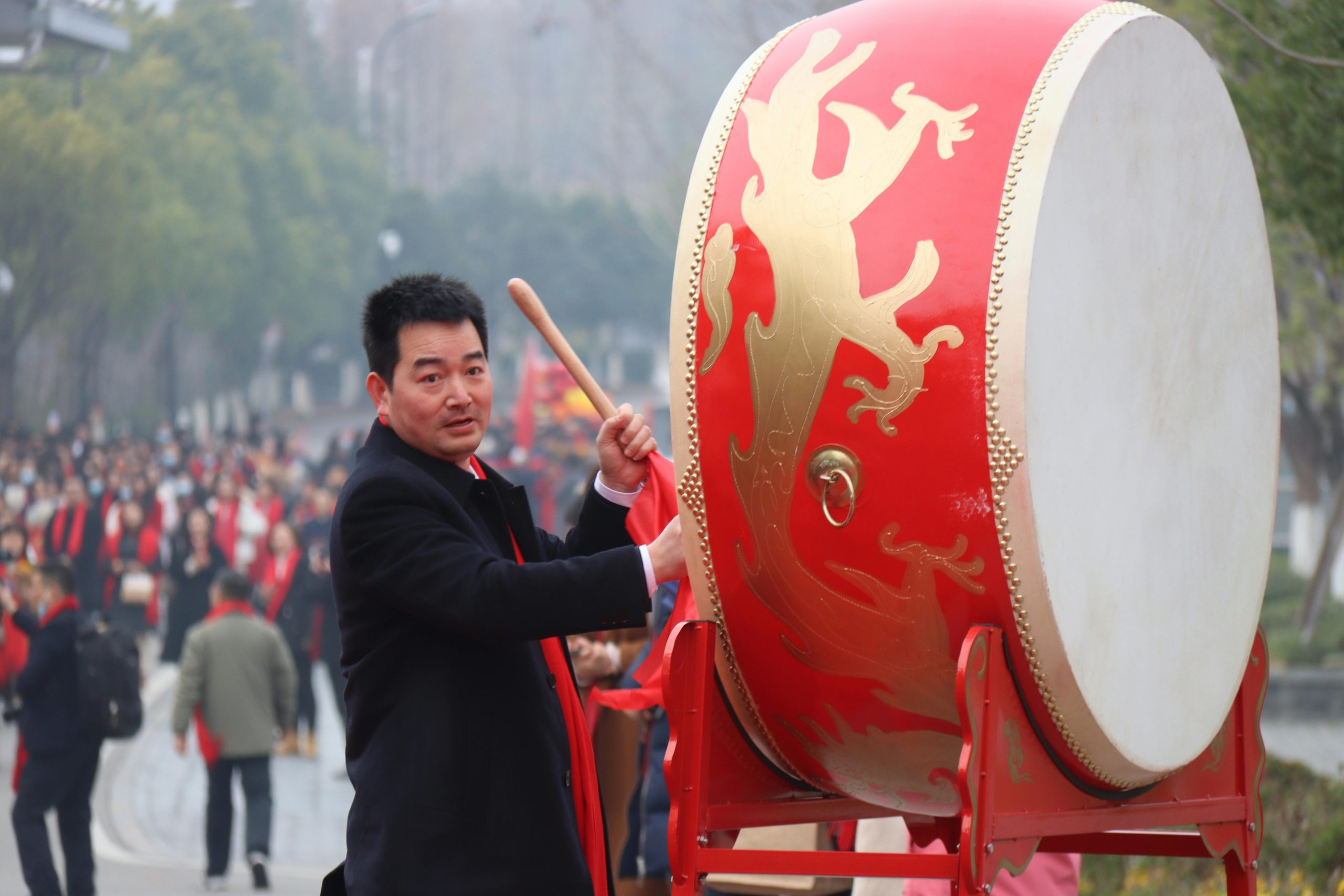
The morning’s closing ceremony is structured but unhurried — outcomes shared, individual takeaways noted, the nine-day arc wrapped formally. It is the official end of the course.
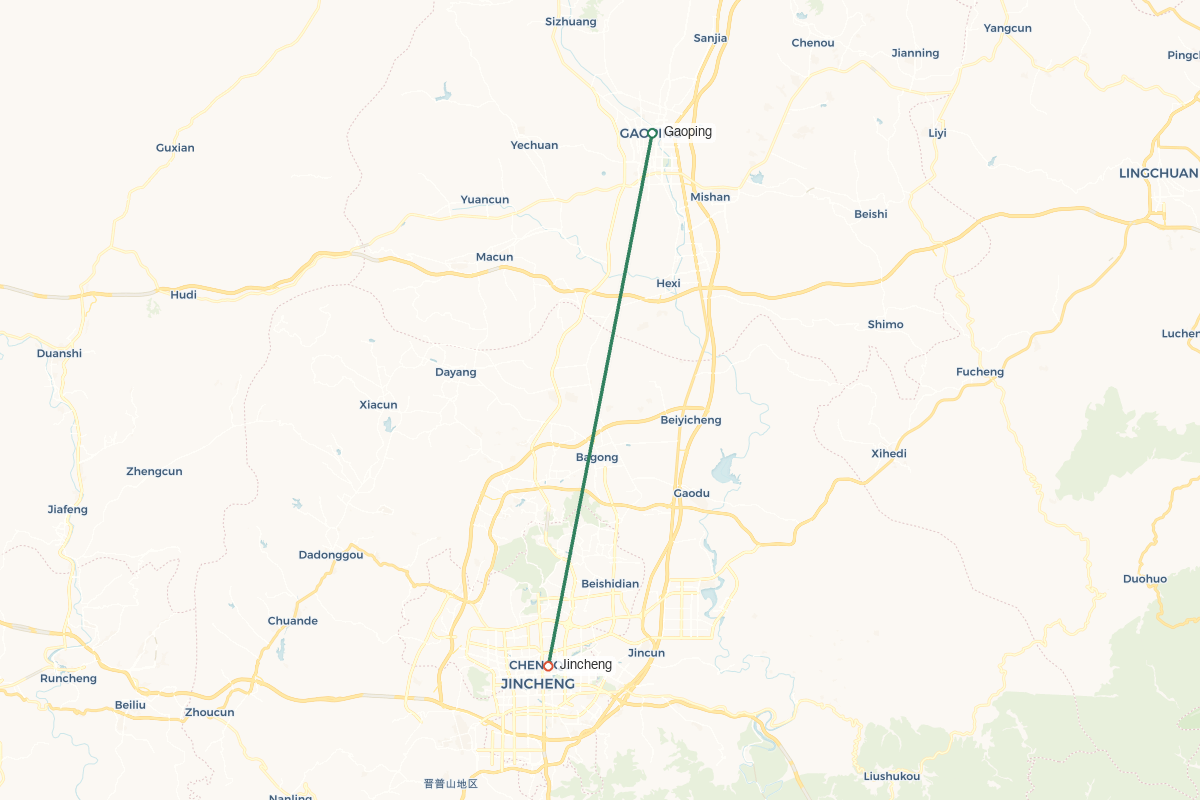
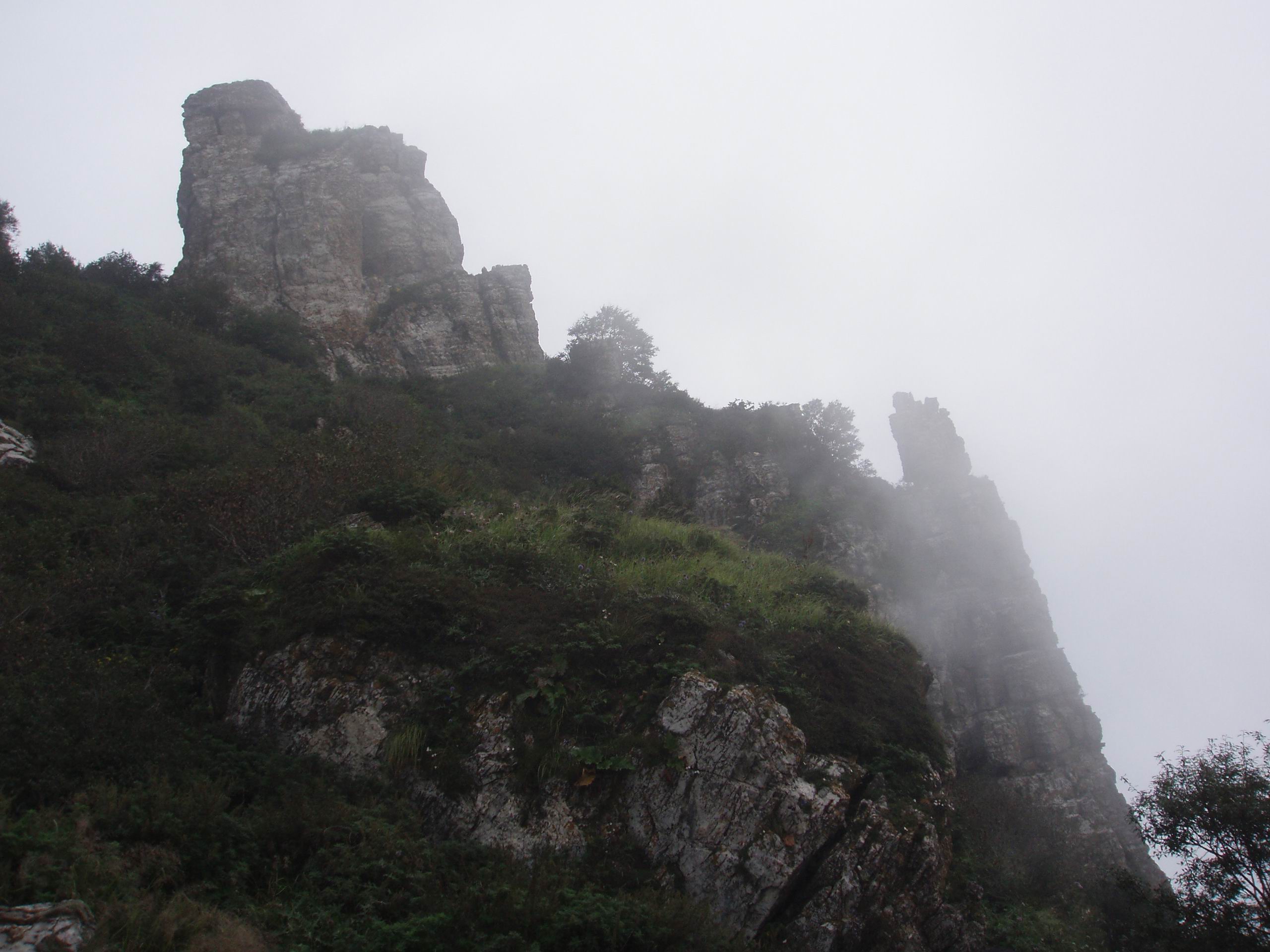
The afternoon turns to a heritage drive — the only sightseeing on the trip. The first stop is the Iron Buddha Temple (*Tiefosi*) in nearby Gaoping, a national-treasure-grade temple hidden in a village outside Jincheng. The temple is famous for its twenty-four Ming-dynasty deity sculptures — painted-clay figures that vary in expression from calm and refined to fierce and imposing, considered some of the most expressive temple statuary in China.
The second stop is the new Tsai Chih-chung Art Museum — opened in 2024, a 55,000-square-metre cultural complex showcasing seven decades of work by the Taiwanese cartoonist who turned Chinese philosophy into manga. The museum is the world’s largest collection of his work, with more than 300 originals on display.
Return to the property in the evening with light luggage already packed.
A final breakfast at the property and a relaxed morning to finish packing.
Lunch is the last included meal. After lunch, a private vehicle takes you to your chosen airport — Taiyuan Wusu for most international connections, Changzhi Wangcun if your routing prefers it, or to Jincheng East high-speed rail station for an onward train.
Your guide sees you off at departures.