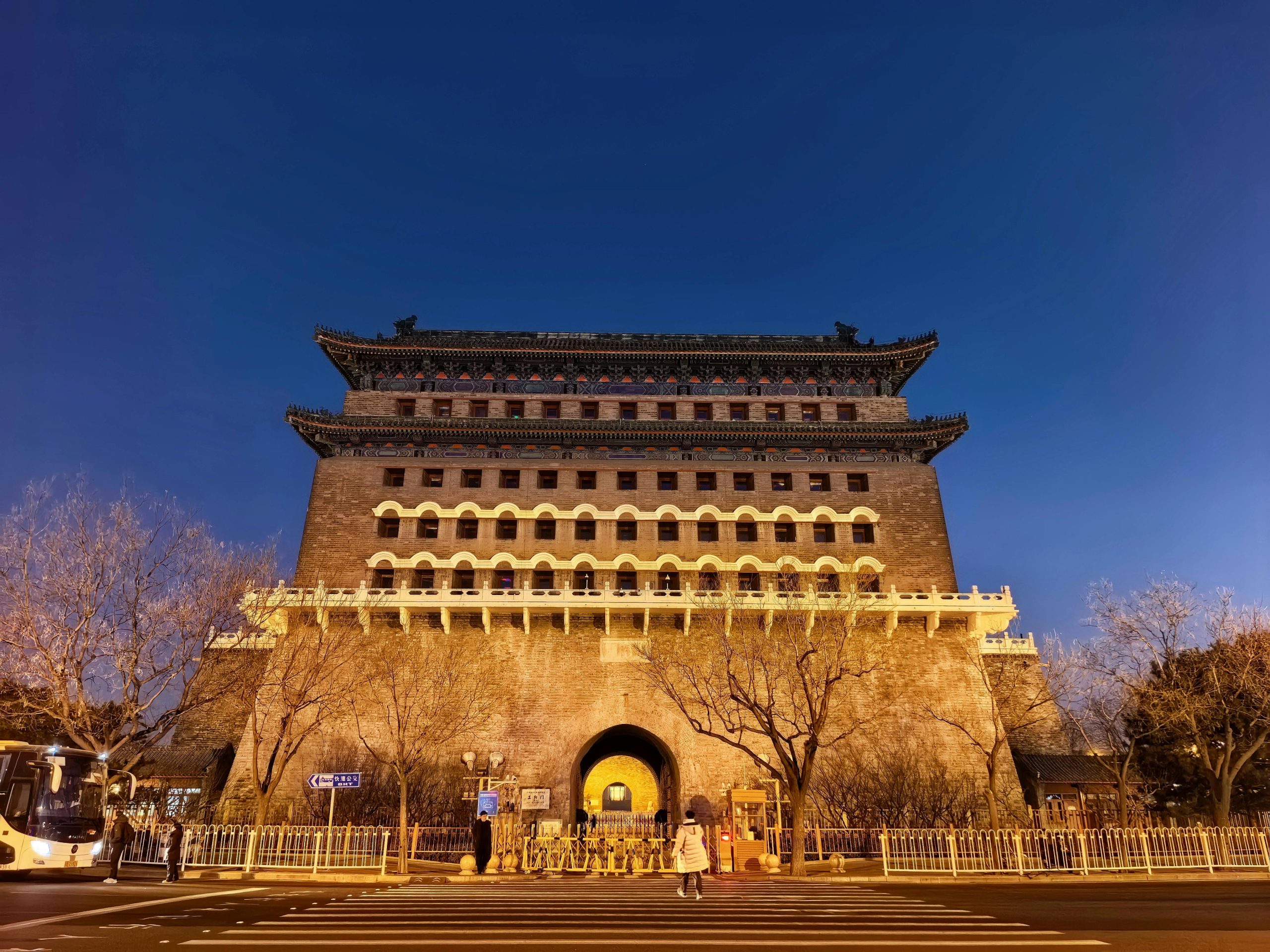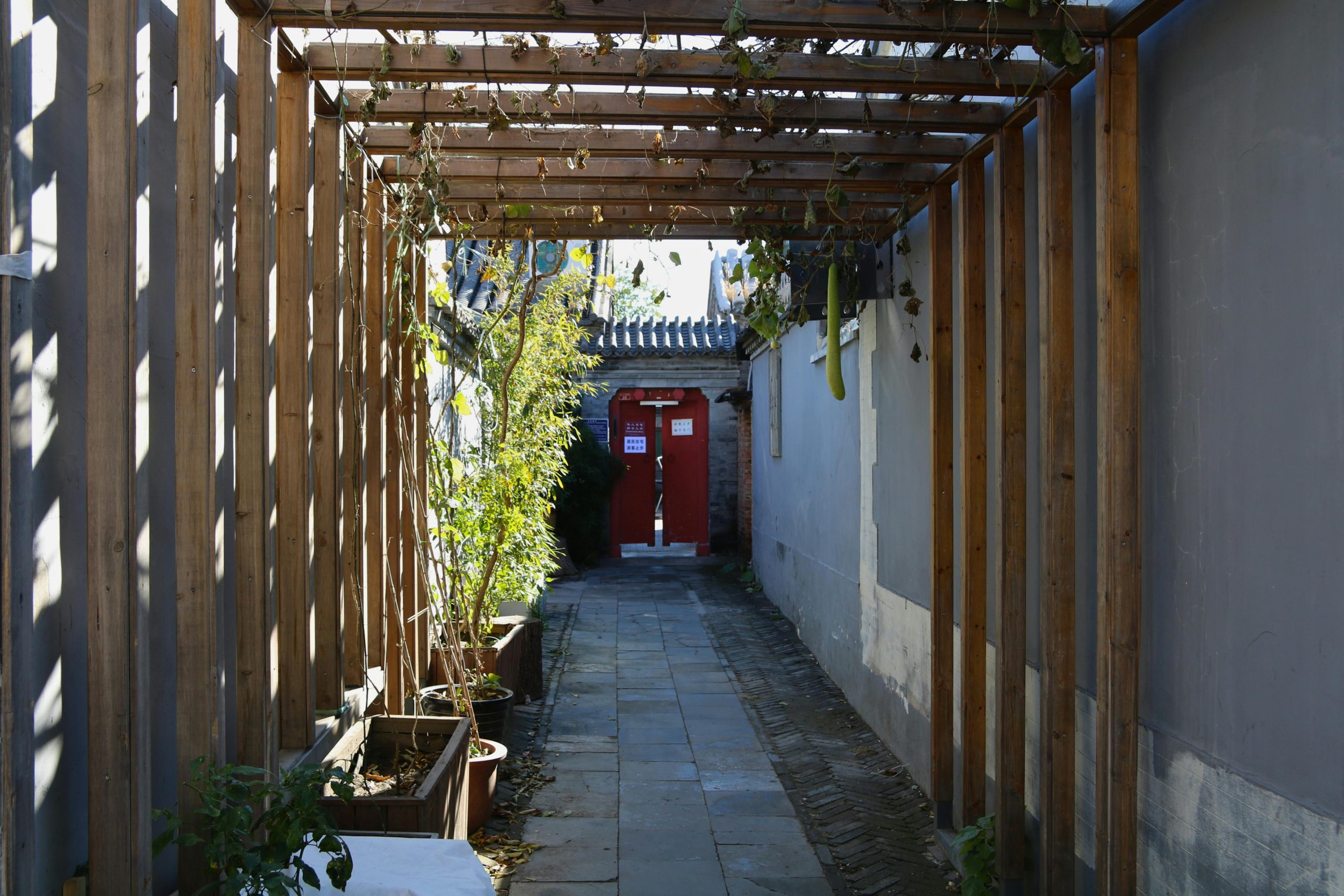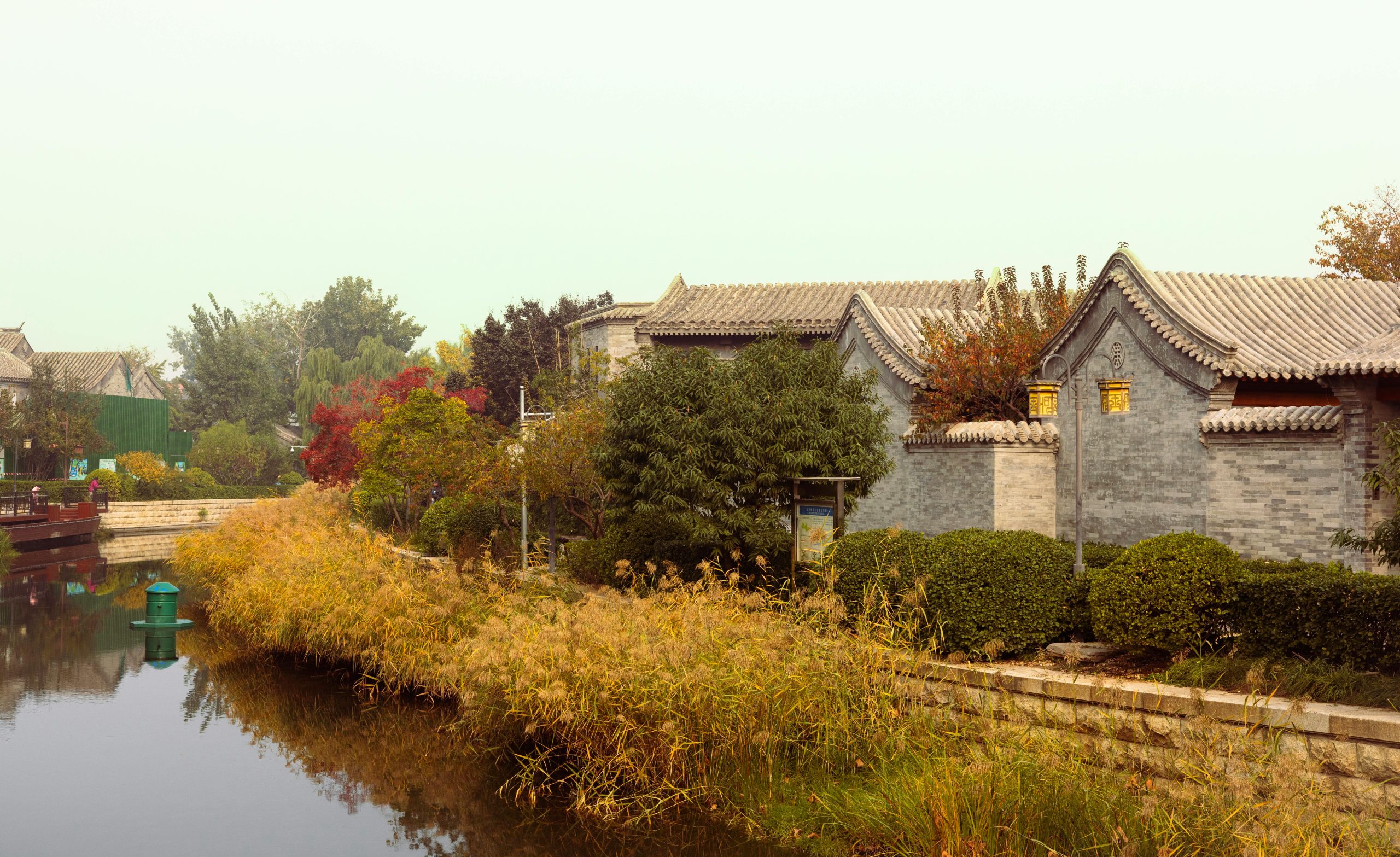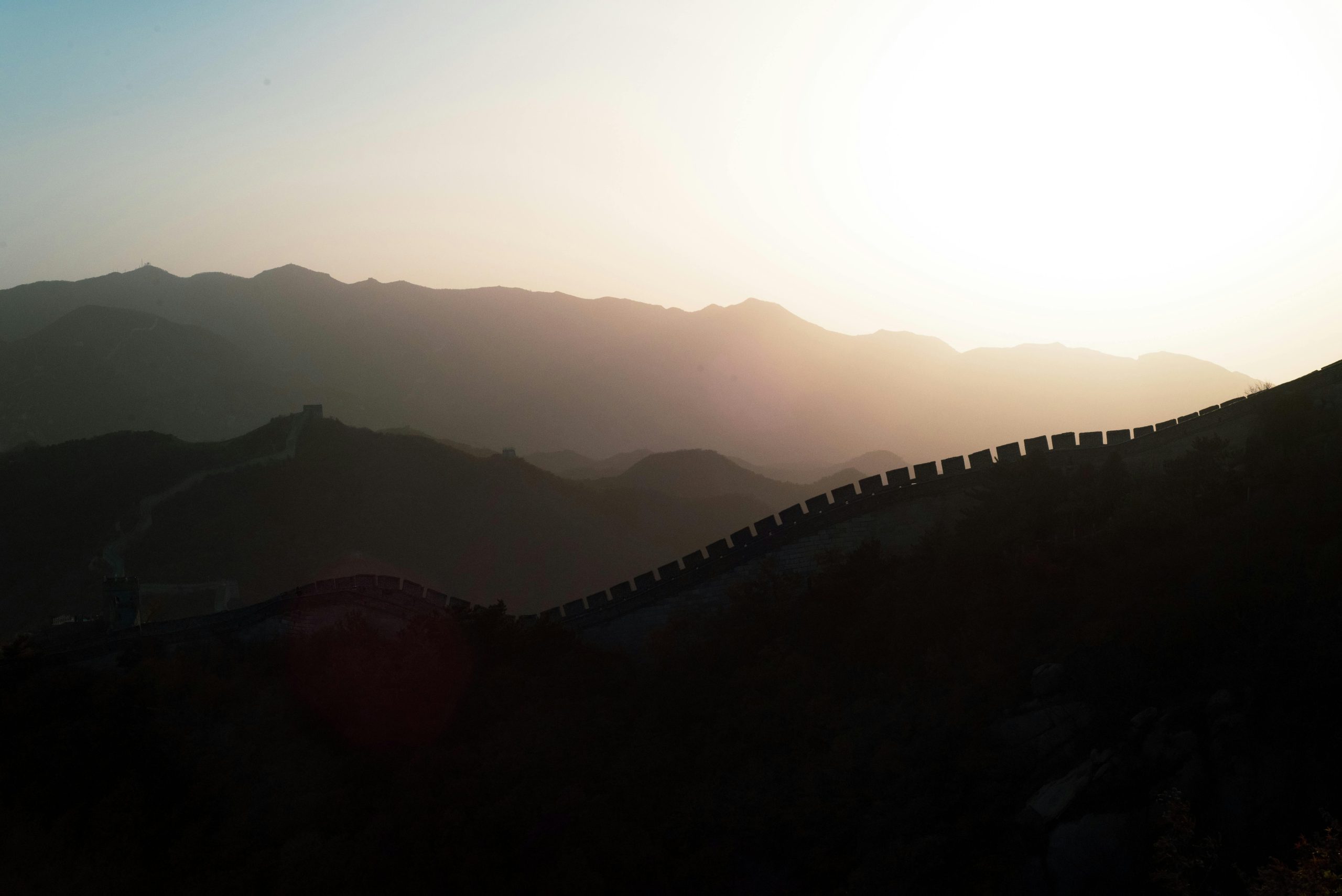
Ten days in Beijing built around traditional Chinese medicine as living heritage.
Pulse diagnosis with a bilingual practitioner, a moxibustion session at the Great Wall, hands-on paper cutting in a hutong courtyard, and a Peking Opera evening with backstage costume try-on. Major landmarks anchor the route — Forbidden City, Summer Palace, Temple of Heaven, Lama Temple — but the rhythm slows down around the cultural texture in between: Qianmen lanes, Wudaoying boutiques, Shichahai tea houses. The journey closes with a full day at Gubei Water Town for tie-dye, hot springs, the only night-walkable Great Wall section at Simatai, and a drone light show before the trip home.
Your guide meets you at arrivals — whether you fly into Beijing Capital or Daxing, a private car is waiting. From here, everything is handled.
After settling into your city-centre hotel, the rest of the morning is yours to recover from the flight and ease into the rhythm of the trip.
In the late afternoon, an opening session over tea introduces the ten-day journey ahead — the major landmarks, the workshops, the dining arc — followed by a short Beijing culture briefing tracing the city’s imperial axis, the hutong grid, and the layered history that still runs beneath the modern surface.
The day closes with a welcome dinner, a proper introduction to the city’s table. The rest of the evening is yours.
After breakfast, the morning begins with a TCM consultation — a bilingual Traditional Chinese Medicine practitioner walks you through a body-constitution assessment and offers personalised wellness recommendations you can take home. The session continues with a hands-on pulse diagnosis (*maizheng*) lesson: the practitioner teaches the basic technique, then helps you read the corresponding constitution type for your own pulse pattern.
Lunch is a neighbourhood-style Beijing meal with the story behind each dish.
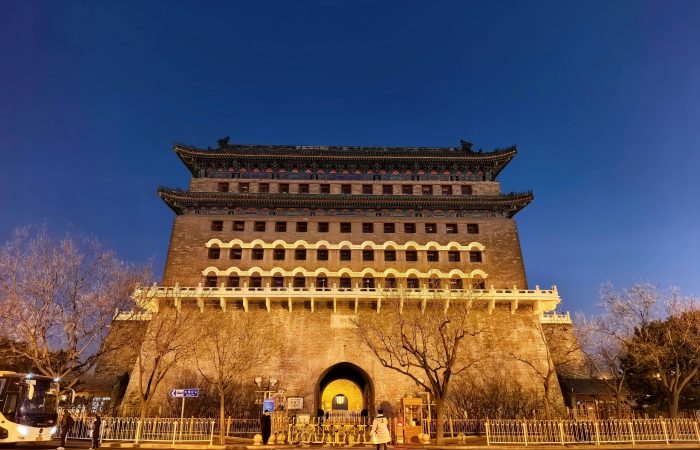
The afternoon shifts to Qianmen Street and Wangfujing — the Qing-era commercial avenues south of Tiananmen. Your guide takes you off the main drag into the quieter lanes of Xianyukou and Dashilar, where century-old shopfronts still operate alongside newer studios. Along the way, you stop at the legacy snack shops for an Old Beijing snack tasting — donkey roll (*lvdagunr*), aiwowo rice cake, and a few others your guide picks based on the season — with the folk-tale background to each one as you taste.
The evening is free — your guide leaves a list of recommended restaurants nearby if you want to explore on your own. Return to the hotel at your own pace.
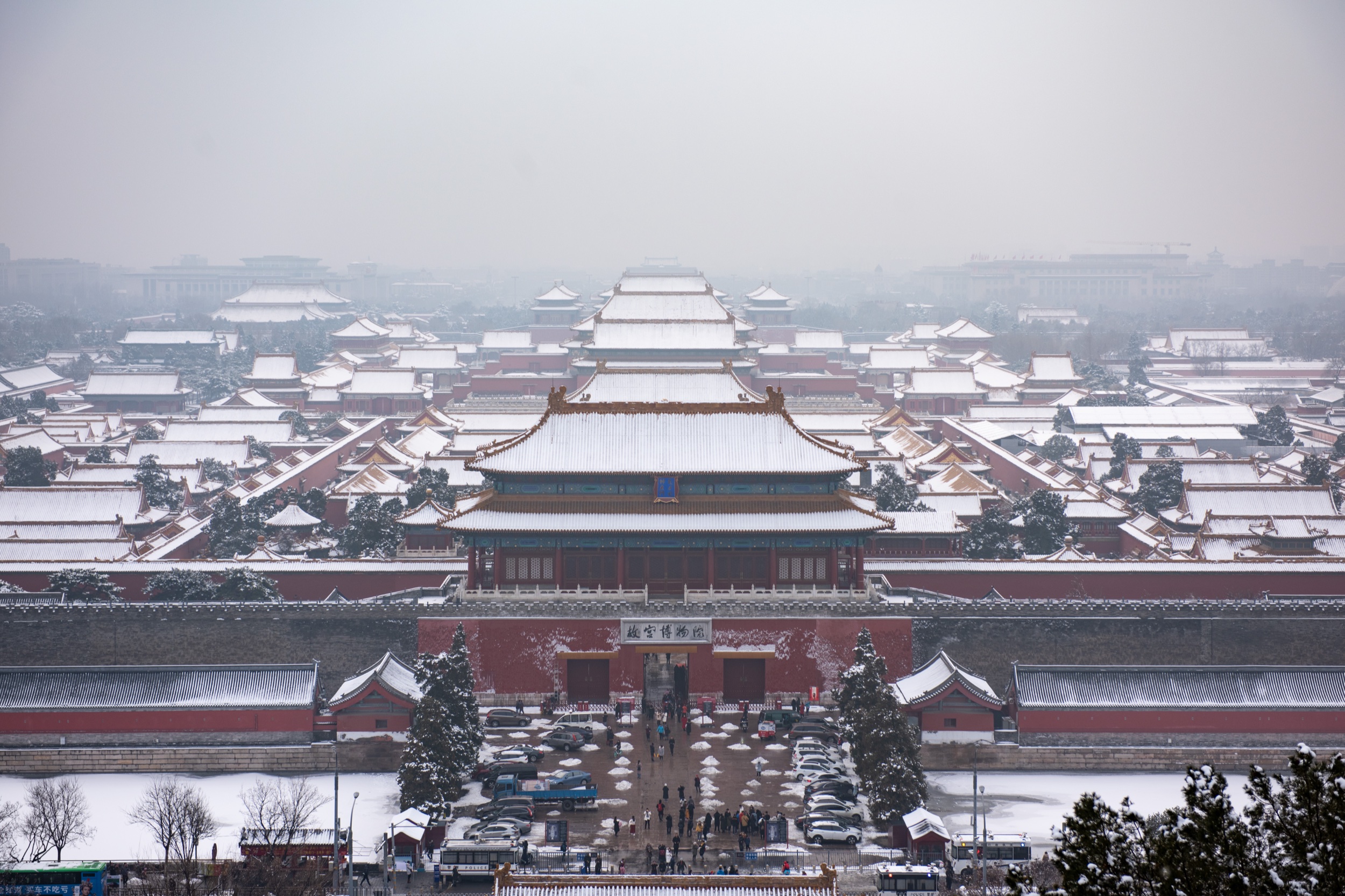
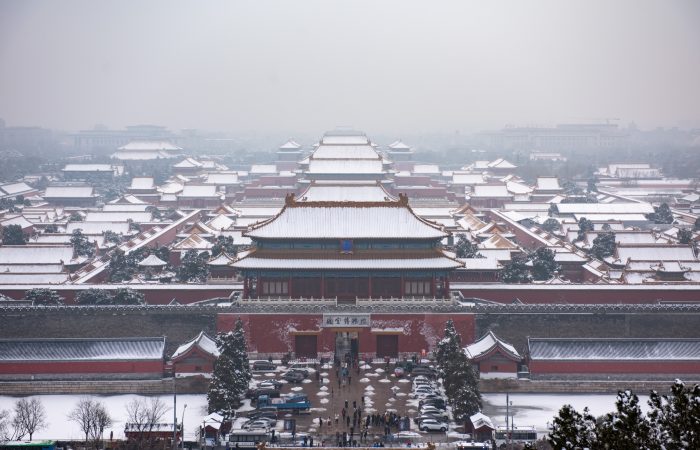
After breakfast, a private car takes you to the Forbidden City for a VIP small-group tour with a bilingual specialist guide. The route walks the ceremonial axis and into the deeper compounds away from the main flow — focused on the architectural detail most visitors miss: bracket sets (*dougong*), glazed-tile patterns, and the dragon-and-phoenix carvings that encode imperial rank.
Lunch is taken inside the palace area, paced for the afternoon’s photography session.
The mood changes after lunch for Hanfu costume photography. A professional stylist handles hair, makeup, and wardrobe in court-dress style, and a photographer shoots you in palace settings. A short court-etiquette mini-class teaches the formal greeting gestures (*qing’an*, *gongshou*) that match the costume — useful for the photos and surprisingly fun.
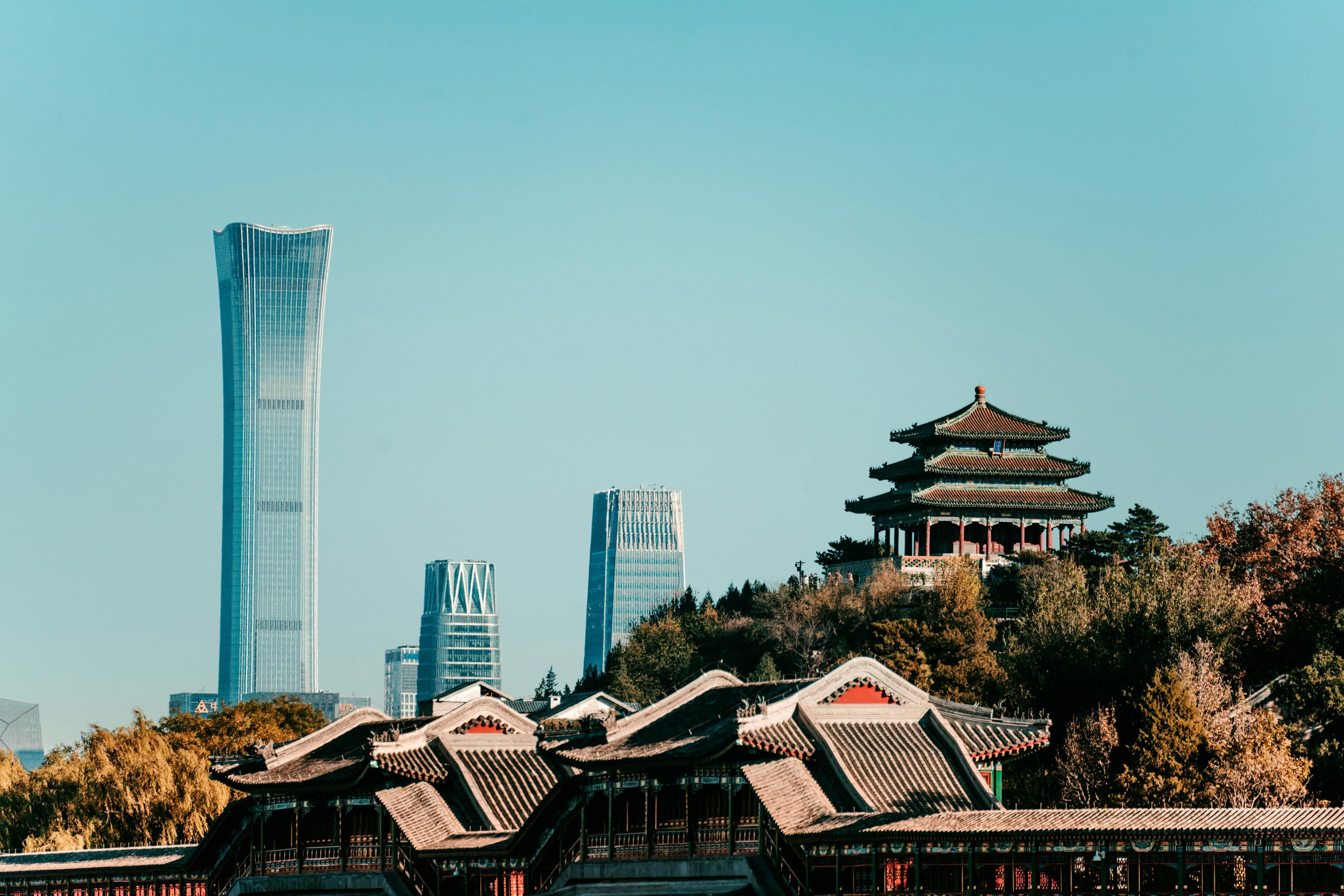
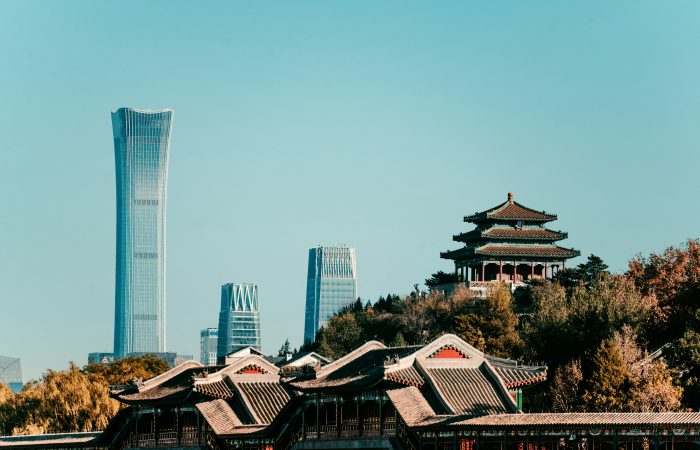
Late afternoon takes you up the hill at Jingshan Park to the Wanchun Pavilion for the best elevated view of the Forbidden City’s 9,999-room rooftop sea, especially in the golden-hour light. After sunset, the group moves to the corner tower for a night-photography session — your guide shows you how to capture the tower reflected in the moat, one of Beijing’s most iconic compositions.
Dinner rounds out a full day before returning to the hotel.
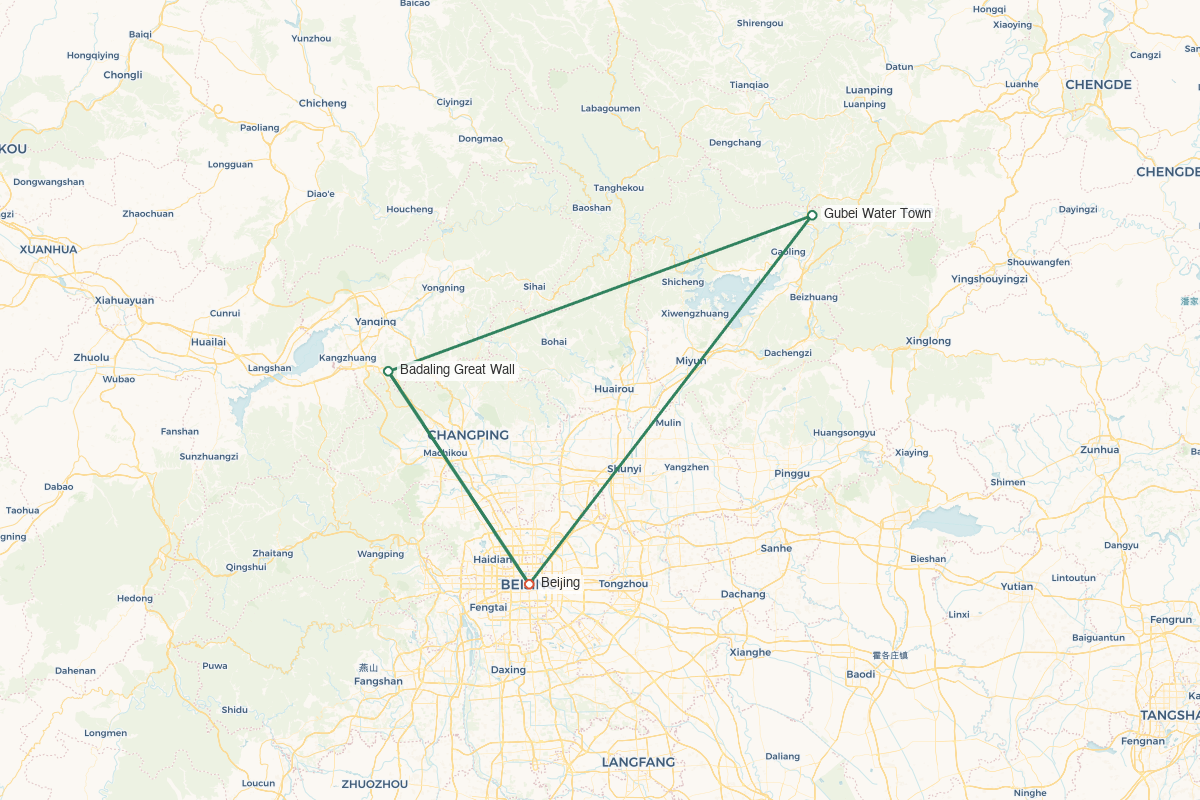
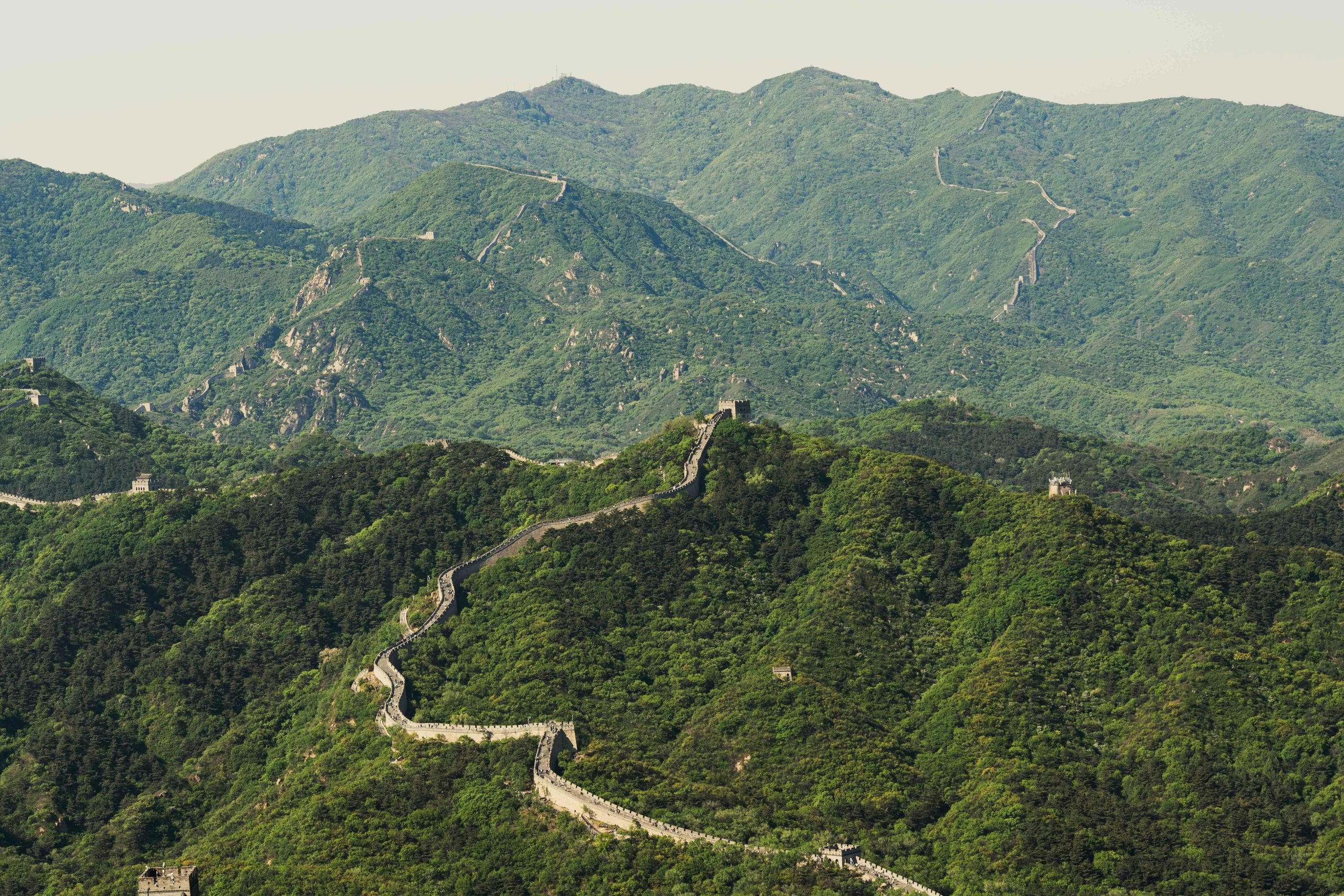
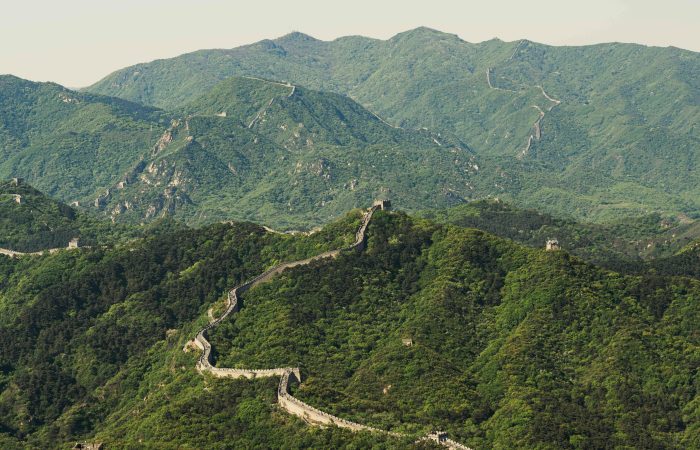
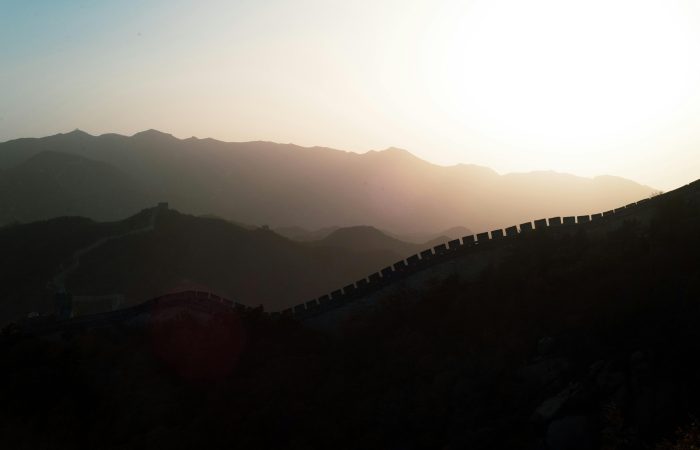
An early departure beats the morning rush to Badaling Great Wall, the most storied and best-maintained section north of Beijing. Your guide walks the history and military architecture as you follow a level path up to the first watchtower — the route is chosen for scenery rather than strenuous climbing.
Lunch is a farmhouse meal at the foot of the Wall — Great Wall foothills cooking with the kind of rough-cut, flavour-forward dishes the city restaurants rarely serve. Your guide draws the connection between the local food calendar and the wall-side village culture.
The afternoon turns restorative. A moxibustion session (*aijiu*) at the base of the Wall uses heated herbal sticks on key acupuncture points to ease the day’s walking fatigue — the practitioner marks common wellness points on a chart you can take home for everyday use.
From there, the car heads to the Changping Hot Spring Hotel in the foothills north of the city. Dinner and overnight here — a slower rhythm than the city, and a different kind of tired.
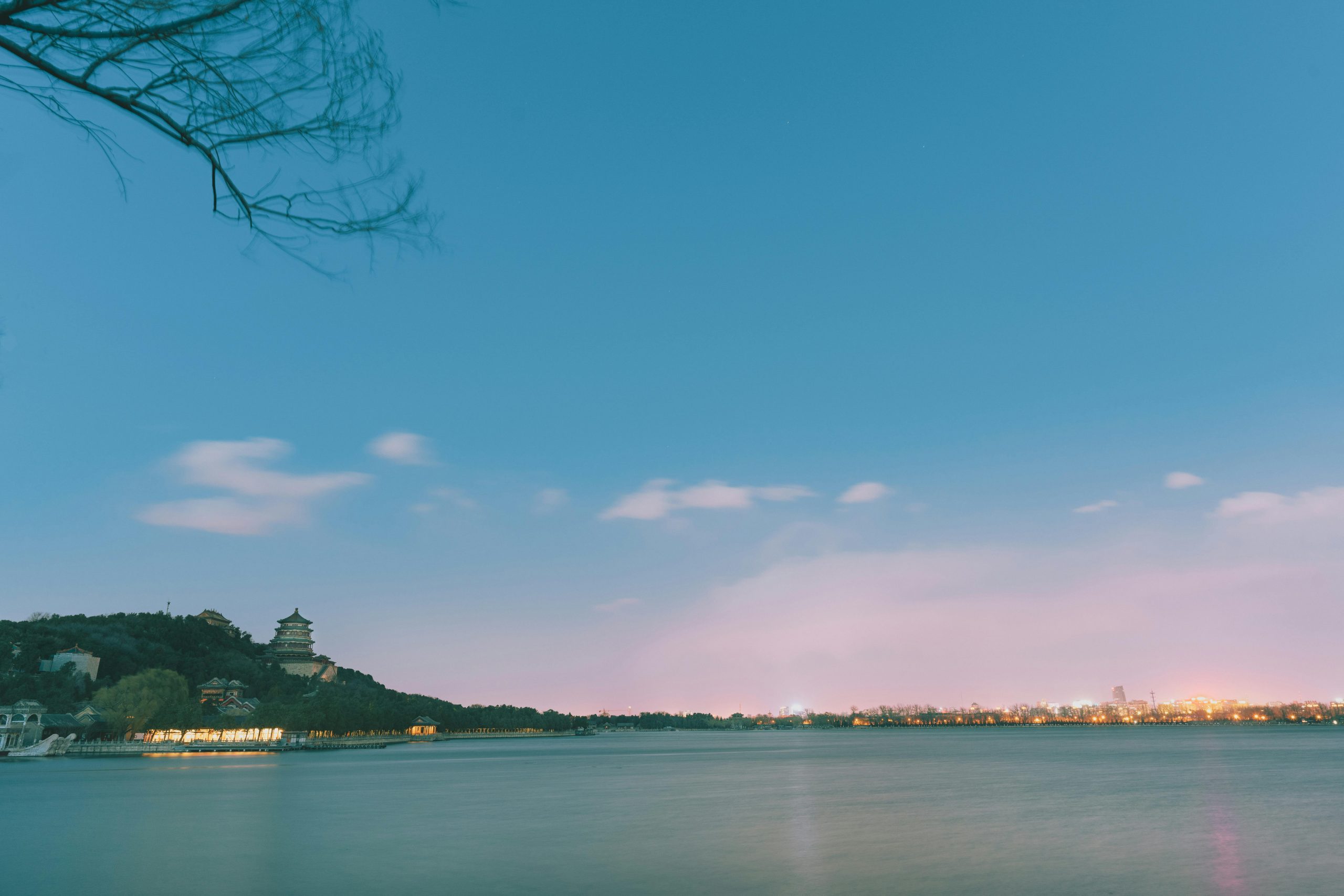
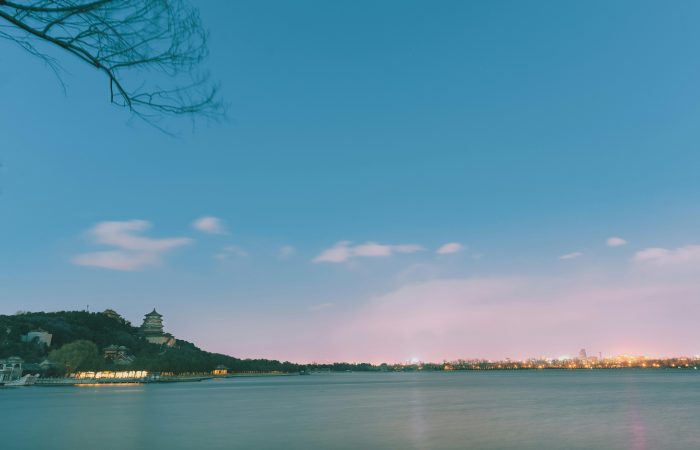
After breakfast at the hot spring hotel, the morning opens at the Summer Palace (*Yiheyuan*) — China’s largest imperial garden, 300 hectares of lake, hill, and painted corridor. Your bilingual guide walks you through the Long Corridor (728 metres of hand-painted ceiling panels, no two alike), the Tower of Buddhist Incense on Longevity Hill, and the Cloud-Dispelling Hall — explaining the garden-aesthetic principles that underpin classical Chinese landscape design.
A midday tea break inside the palace grounds replaces a formal sit-down lunch — lighter fare with herbal teas that connect back to the morning’s TCM thread.
The afternoon highlight is a Kunming Lake boat cruise in a traditional Chinese vessel. Your guide narrates the lake’s legends — the Seventeen-Arch Bridge, the Bronze Ox, the western hills beyond the waterline — and the photo opportunities the boat angle opens up.
Back on shore, the drive returns you to central Beijing for a Beijing home-style meal — the kind of cooking locals eat when nobody’s watching. Free time at the hotel after dinner.
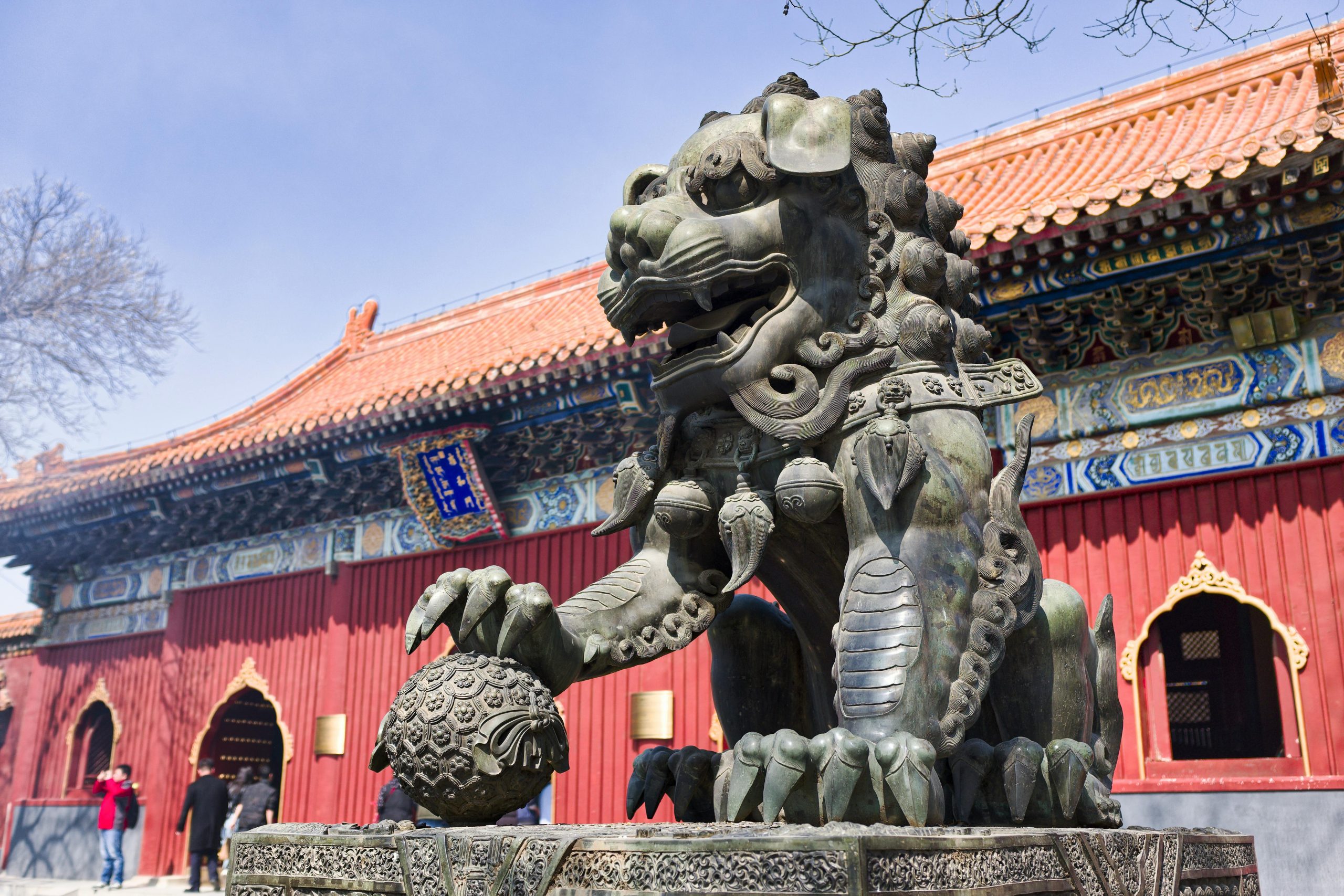
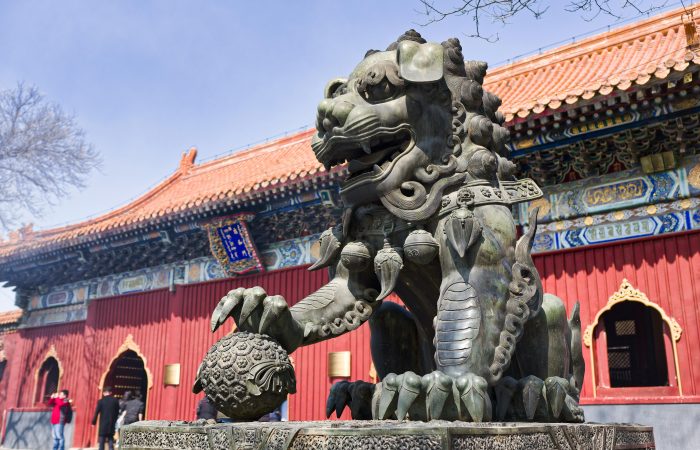
After breakfast, a private car takes you to the Lama Temple (*Yonghegong*) — Beijing’s most important Tibetan Buddhist site, home to a 26-metre Buddha carved from a single white sandalwood trunk and built into a hall constructed around it. Your bilingual guide explains the temple’s Tibetan, Mongolian, and Han Buddhist layers and the etiquette of incense and prayer before you enter.
Lunch is a vegetarian meal near the temple — clean, organic flavours that match the contemplative atmosphere, with your guide drawing the connection between Buddhist dietary practice and traditional wellness.
The afternoon belongs to Wudaoying Hutong, the narrow alley running along the Lama Temple’s south wall. This is Beijing’s most stylish hutong — independent coffee shops, ceramic studios, and bookstores tucked into old courtyard doorways. Your guide includes a hutong shop visit, ducking into a few of the best-curated boutiques and craft studios so you can see what contemporary Beijing artisans are making — and how the alley culture has reinvented itself without losing its texture.
Dinner is a Beijing-flavour meal back in the city before a free evening.
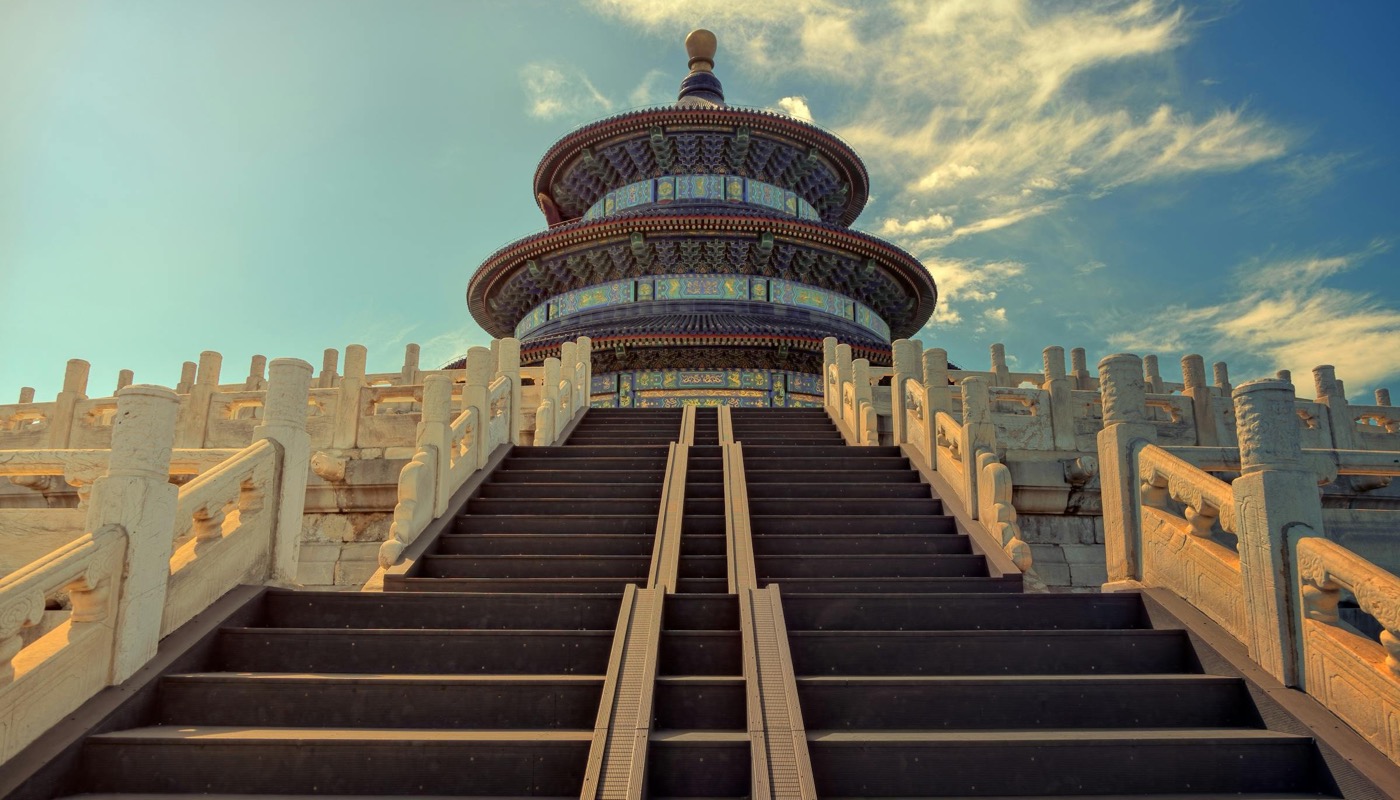
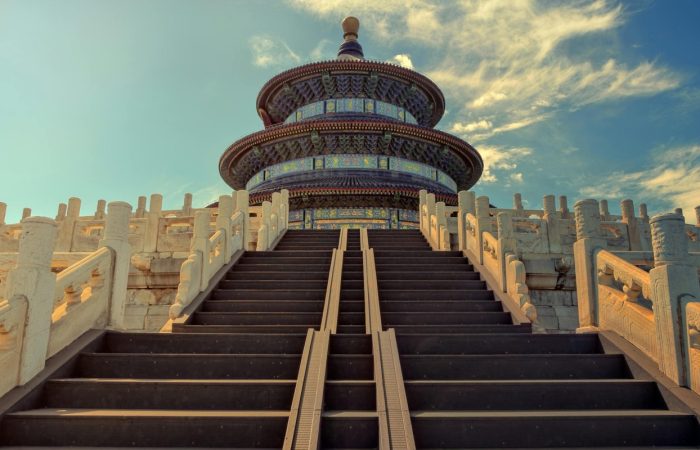
The Temple of Heaven (*Tiantan*) is best in the morning, when local retirees are still doing tai chi along the Long Corridor and the Hall of Prayer for Good Harvests catches the early light. Your bilingual guide walks the ceremonial route from the Circular Mound Altar through the Echo Wall to the triple-roofed prayer hall — a Ming-dynasty masterpiece built entirely without nails — explaining the temple’s architectural symbolism and its role in imperial ritual.
Lunch is Beijing comfort food near the south gate.
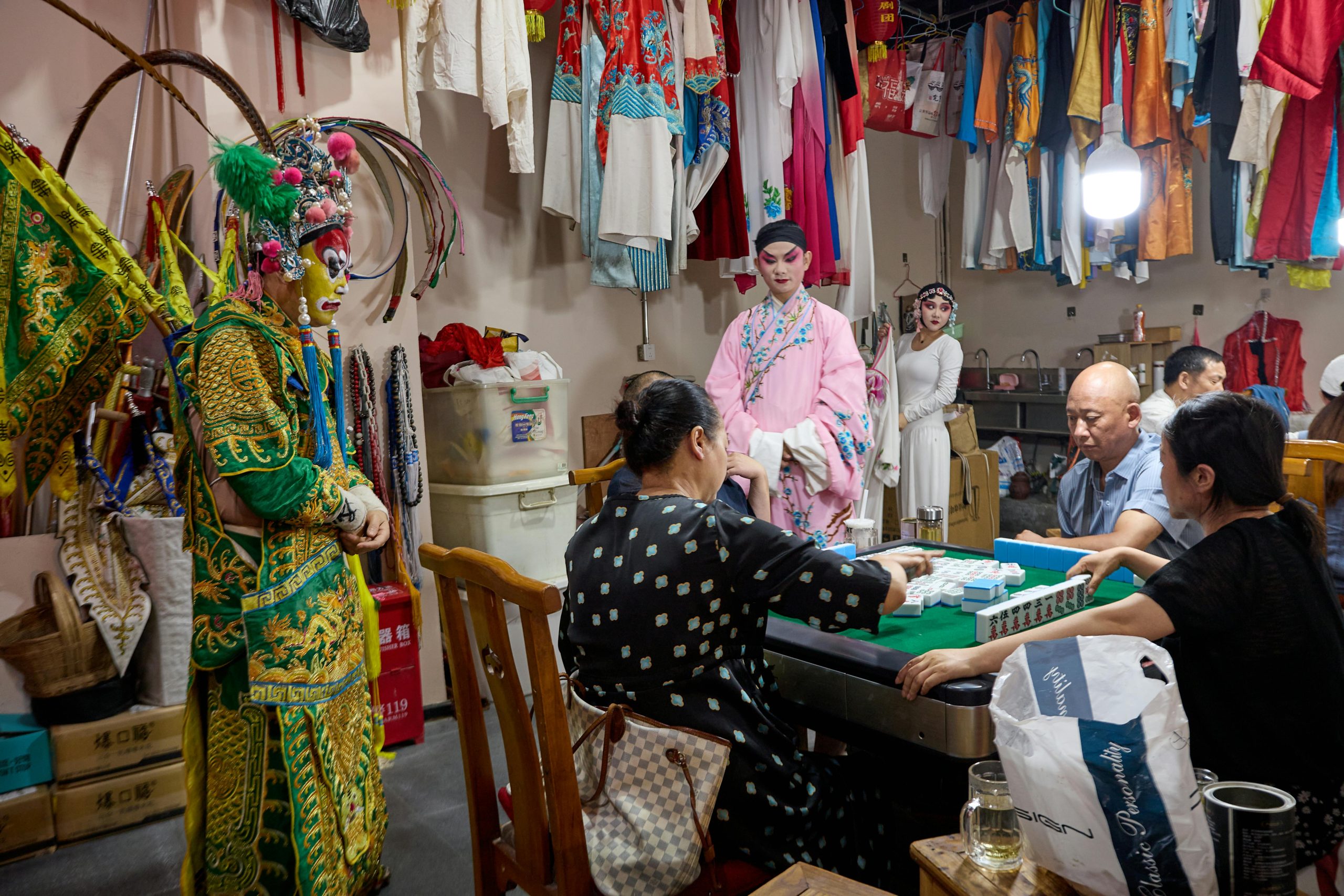
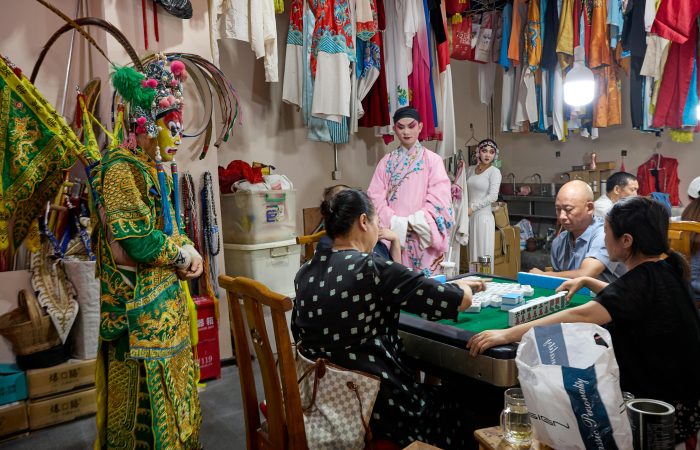
The afternoon eases into a Peking Opera culture session (*jingju*). A bilingual instructor walks you through the art form’s history, the four main role types, the meaning of face-paint colours, and the basic hand gestures and body movements that carry meaning on stage. You learn a few of the signature poses yourself before the curtain rises.
Then you watch a Peking Opera performance — selected classic scenes with English subtitles so the storyline lands even if the singing style is new to you. Afterwards, you go backstage to try on simplified opera costumes, take photos with the performers, and feel the embroidery and headpiece detail close-up.
Dinner closes the day with an opera-themed dinner — Beijing flavours staged with operatic elements and stories behind each dish.
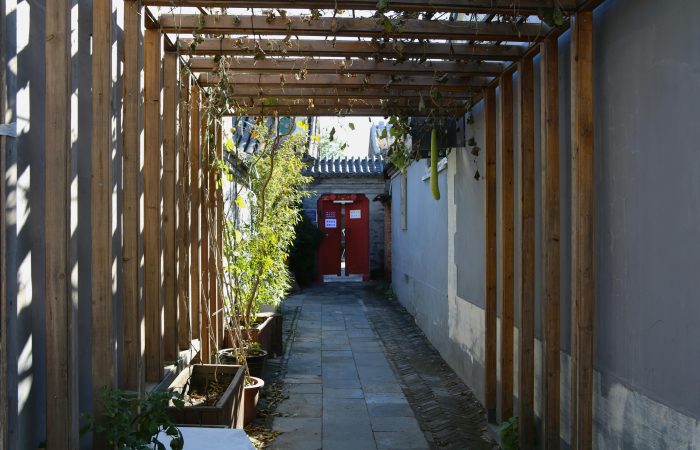
The day starts in the old hutong lanes with a rickshaw hutong ride — your guide explains the cultural background of the rickshaw as Old Beijing transport before you climb aboard for a circuit through the alley network, ending with photo-friendly portraits in the courtyard setting.
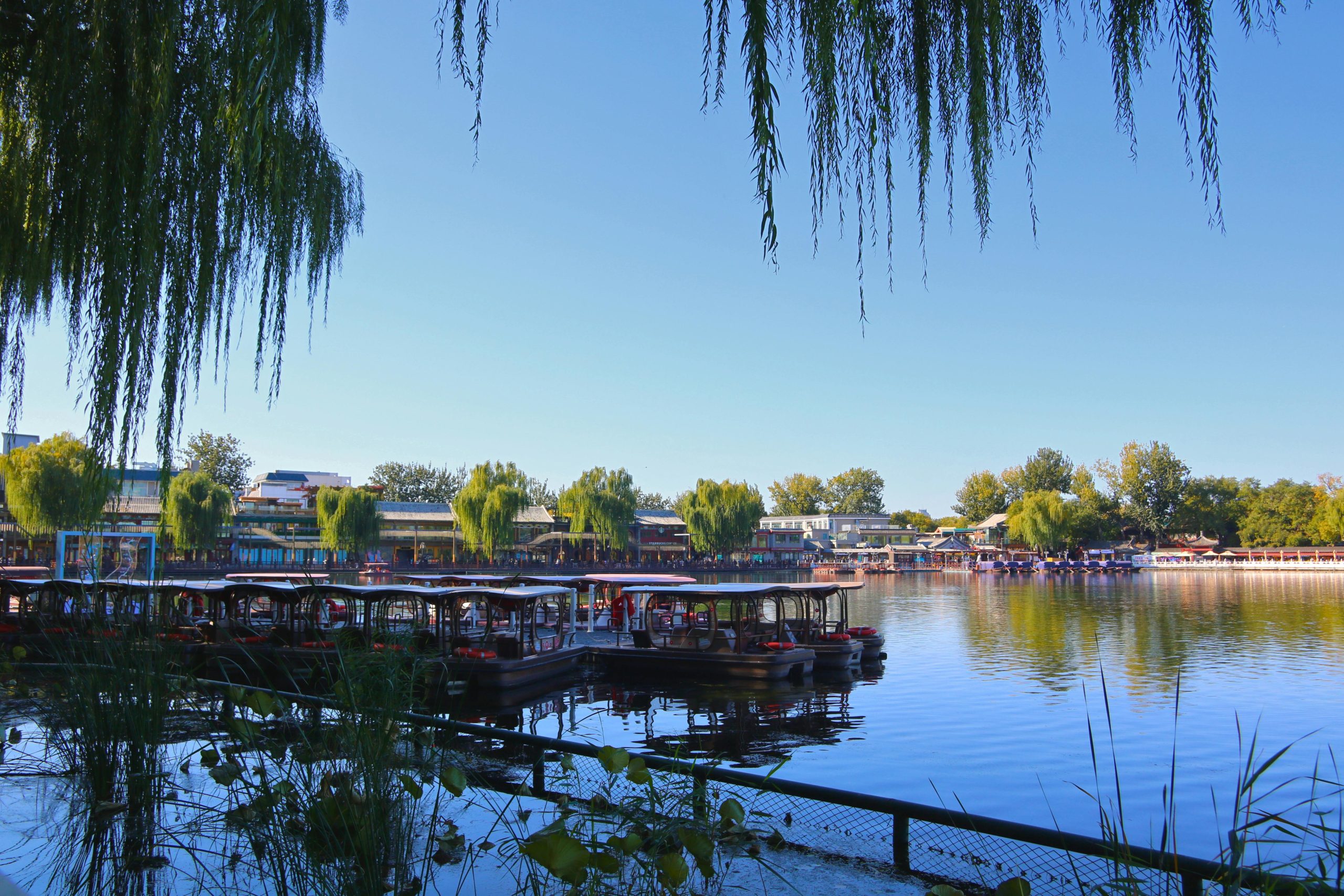
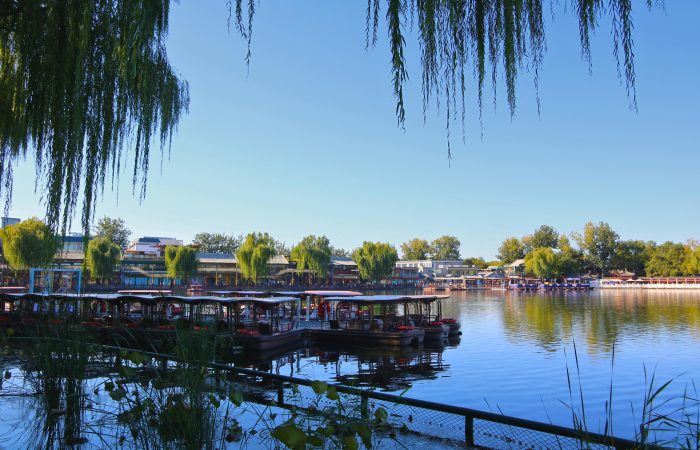
From there, a guided walk around Shichahai Lakes follows. The bilingual guide walks you across the Silver Ingot Bridge, down Yandai Xiejie (Tobacco Pipe Lane), and along the lakeside lanes — explaining how the three linked lakes were once the Grand Canal terminus of imperial Beijing and where you can still feel that trading-post energy in the neighbourhood today.
Lunch is taken in the hutong area before the afternoon’s main event.
The afternoon moves indoors for a paper-cutting workshop (*jianzhi*) in a courtyard house (*siheyuan*). A professional bilingual instructor walks you through the technique — the symmetry, the fold patterns, the cultural symbolism of each design — and you make your own piece to keep. After cutting, a simple mounting session in the studio preserves your work for the trip home, presenting the piece at gallery quality.
A Beijing-flavour dinner closes a full day before the car returns you to the hotel.
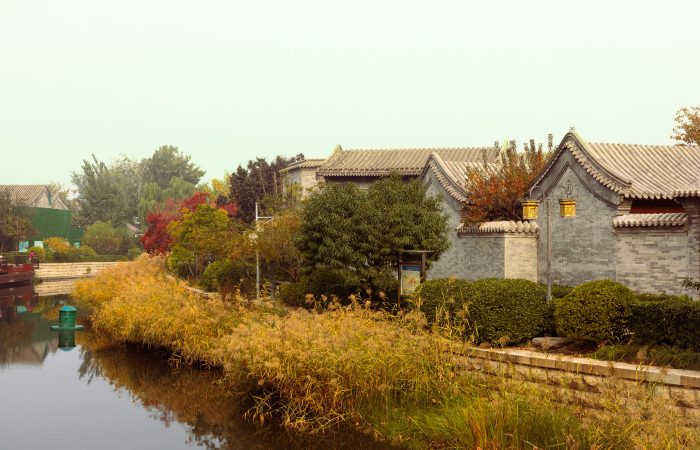
An early departure heads northeast to Gubei Water Town (*Gubei Shui Zhen*) — a restored Ming-era village at the foot of Simatai Great Wall, about two hours from central Beijing. The morning is a guided walk through the canal-side lanes, stone bridges, and traditional courtyard workshops, with stops at a traditional brewery and a dye house that demonstrate the village’s craft heritage. You step into a tie-dye workshop (*zaran*) — learning the knotting and dyeing technique and keeping your finished fabric.
Lunch is northern water-town cooking — hearty, unpretentious dishes built around the local larder.
The early afternoon is reserved for a natural hot spring soak at the water-town spa — slow, restorative, and timed for the evening programme.
As the sky darkens, a cable car carries you up to Simatai Great Wall — the only section in China open for night walks. The wall is lit but not over-lit: original Ming-dynasty stonework underfoot, the valley dropping away on both sides, and the water town glowing below. This is not a hike — it is a walk, and the atmosphere does the heavy lifting.
Back down in the town, a drone light show closes the evening — hundreds of drones forming patterns above the canals while music plays across the water. After the show, the car returns you to your hotel in central Beijing.
A final breakfast at the hotel, then time to pack and check out.
Depending on your flight time, your driver takes you back to Beijing Capital or Daxing Airport for the journey home. If the schedule allows, your guide may point out a few city landmarks along the route — a last glimpse of Beijing rather than a final stop. Your guide sees you off at departures.