Login

Sign Up

After creating an account, you'll be able to track your payment status, track the confirmation and you can also rate the tour after you finished the tour.
Username*
Password*
Confirm Password*
First Name*
Last Name*
Birth Date*
Email*
Phone*
Country*
* Creating an account means you're okay with our Terms of Service and Privacy Statement.
Please agree to all the terms and conditions before proceeding to the next step

Already a member?

Login

Gansu · Daoist Mountains & Acupuncture Heritage – 5 Days 4 Nights

0
Price
Price
The tour is not available yet.

Proceed Booking

Save To Wish List

Adding item to wishlist requires an account

32

Why Book With Us?

  • No-hassle best price guarantee
  • Customer care available 24/7
  • Hand-picked Tours & Activities
  • Free Travel Insurance
5 Days
Lanzhou
Lanzhou
Min Age : 10
Max People : 18 (Contact us for more)

Five days through Gansu’s eastern heartland — the mountain that gave Daoism its first myth, the loess county where the father of acupuncture was born, and the riverside platform where Fuxi is said to have drawn the eight trigrams.

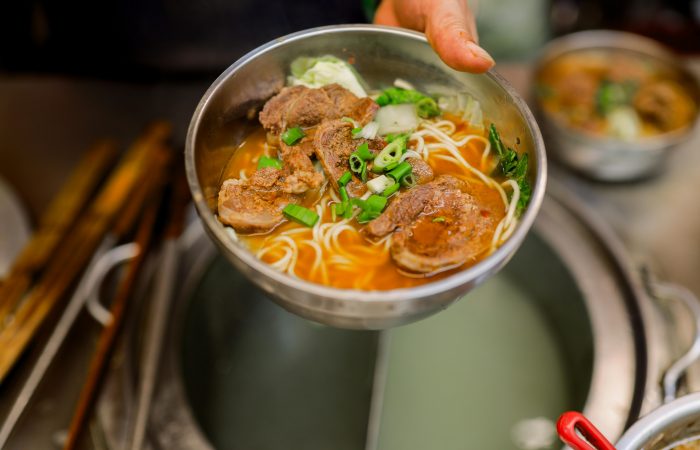
The route runs from Lanzhou east into Pingliang for a slow morning on Kongtong Mountain — the Daoist sacred peak where the Yellow Emperor came to learn from the immortal Guangchengzi — followed by a guided breath-and-posture session and an evening of yellow rice wine and bonfire conversation at a Jingchuan winery. Day three traces the Zhou-dynasty Lingtai altar where King Wen worked on the I Ching, then visits the Huangfu Mi Acupuncture Heritage Park for moxibustion, herb identification, and a hands-on session in the lineage that wrote the Canon of Acupuncture and Moxibustion. Day four climbs Guatai Mountain where Fuxi gazed at the Wei River for a baduanjin and standing-meditation set, then crosses to Tianshui’s Fuxi Temple to pay respects at the ancestor’s altar before returning to Lanzhou. The final morning is an unhurried walk along the Yellow River and a bowl of Lanzhou’s famous hand-pulled beef noodle before the airport transfer.

Accommodation
4 nights at boutique-tier hotels. 2 nights in Lanzhou bookending the trip, 1 night at the Jingchuan yellow-wine estate, 1 night in Tianshui.
Airport Transfers
Private airport transfers via Lanzhou Zhongchuan International Airport on arrival and departure.
Guide & Transport
Bilingual guide and private vehicle with dedicated driver for the full 5-day route across eastern Gansu's loess country.
Meals
Daily breakfast, 3 lunches, 3 dinners. Daoist vegetarian lunch at Kongtong, Lingtai farm-style lunch, Tianshui local flavours, and a yellow-wine dinner at Jingchuan.
Signature Experiences
Kongtong breathwork, Huangfu Mi acupuncture session, Guatai baduanjin, Jingchuan yellow-wine evening — Gansu's own Daoist and TCM lineages, hands-on.
Trip Style
Cultural-heritage and wellness route at a thoughtful pace. Three founding sites of Chinese civilisation, paired with hands-on Daoist and TCM practice.
Where You'll Stay
4-Star Equivalent
Central Lanzhou Boutique Hotel
2 Nights
Boutique property in central Lanzhou, within easy reach of the Yellow River embankment and the city's beef-noodle stalls. Modern rooms, reliable service for the arrival and final nights of the trip.
Scenic Stay
Jingchuan Jiuyuan Yellow-Wine Estate
1 Night
A working yellow-wine estate in the Jiuyuan loess hills outside Pingliang. The night runs around the bonfire — wine tastings, conversation, and the full Tang-style sky once the lanterns dim.
4-Star Equivalent
Central Tianshui Boutique Hotel
1 Night
Boutique stay in central Tianshui, within a short drive of the Fuxi Temple and Tianshui Museum. A practical base for the Day 4 sites before the return drive to Lanzhou.
Itinerary

Day 1Arrival in Lanzhou · Yellow River Welcome

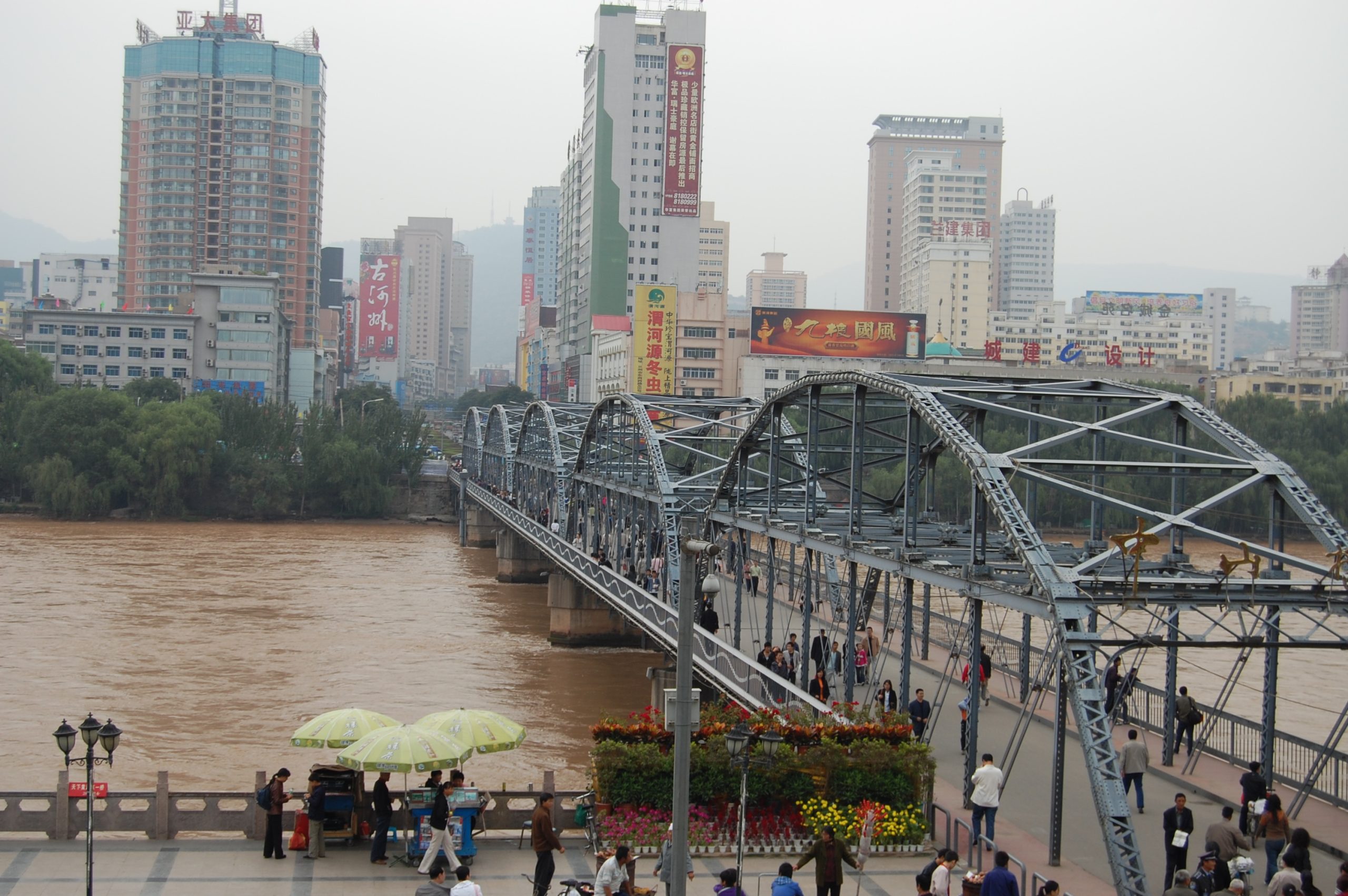
Your guide meets you at Lanzhou Zhongchuan International Airport on arrival — a private vehicle takes you into the city for hotel check-in. Lanzhou sits in a narrow river valley where the Yellow River runs straight through downtown, the only provincial capital where the Mother River does so.

Over tea, your guide walks through the journey ahead: the shape of the five days, what to expect from Daoist Kongtong tomorrow, and the cultural threads — Daoism, Zhou-dynasty ritual, traditional medicine, and Fuxi’s eight trigrams — that connect the route’s three regional anchors.

The rest of the day is yours to recover from the flight, settle in, and adjust to the dry northwest climate. If your flight lands earlier in the day, the Yellow River embankment in front of the city is a quiet first walk — Lanzhou’s signature waterwheels turn on the bank, and the sunset over the loess hills is a gentle introduction to the landscape you’ll cross tomorrow.

Day 2Kongtong Mountain · Jingchuan Yellow-Wine Evening

📍 Kongtong Mountain✨ Kongtong BreathworkJingchuan Yellow Wine+4 more

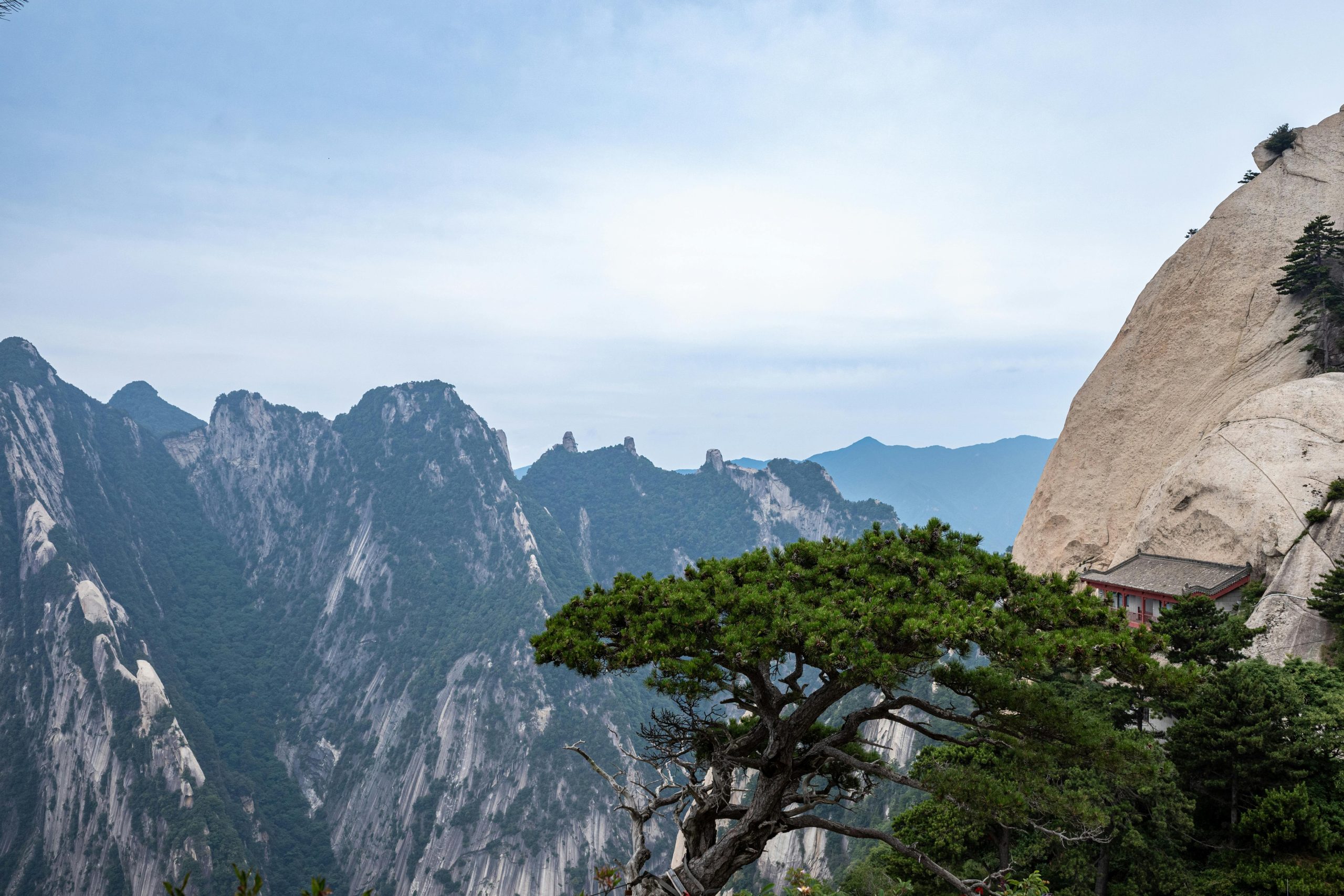
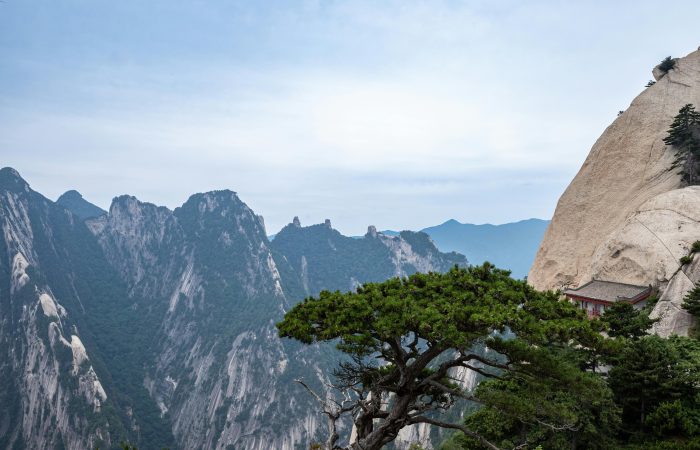
An early start — the drive east from Lanzhou to Pingliang takes about three and a half hours through the loess plateau, the deep yellow earth that gave this part of China its name. Late morning you reach Kongtong Mountain (*Kongtong Shan*), the Daoist sacred peak twelve kilometres west of Pingliang and the place Chinese tradition calls the First Mountain in Western China.

Kongtong is older than most travelers expect. The Yellow Emperor is said to have come here to learn from the immortal Guangchengzi, making it one of Daoism’s foundational mythological sites. Temples have stood on the mountain since the Wei and Jin dynasties — the third and fourth centuries — and the Ming-era expansion left more than forty Daoist halls and pavilions across the ridges. A cable car lifts you to the upper section; from there your guide walks you through the main temple groups, the cliff-side pavilions, and the cloud-and-pine views that gave Kongtong its old name as the Holy Land of Daoism. Lunch is a Daoist vegetarian meal at the mountain’s traditional kitchen — clean, light, and built around grains, beans, and mountain greens.

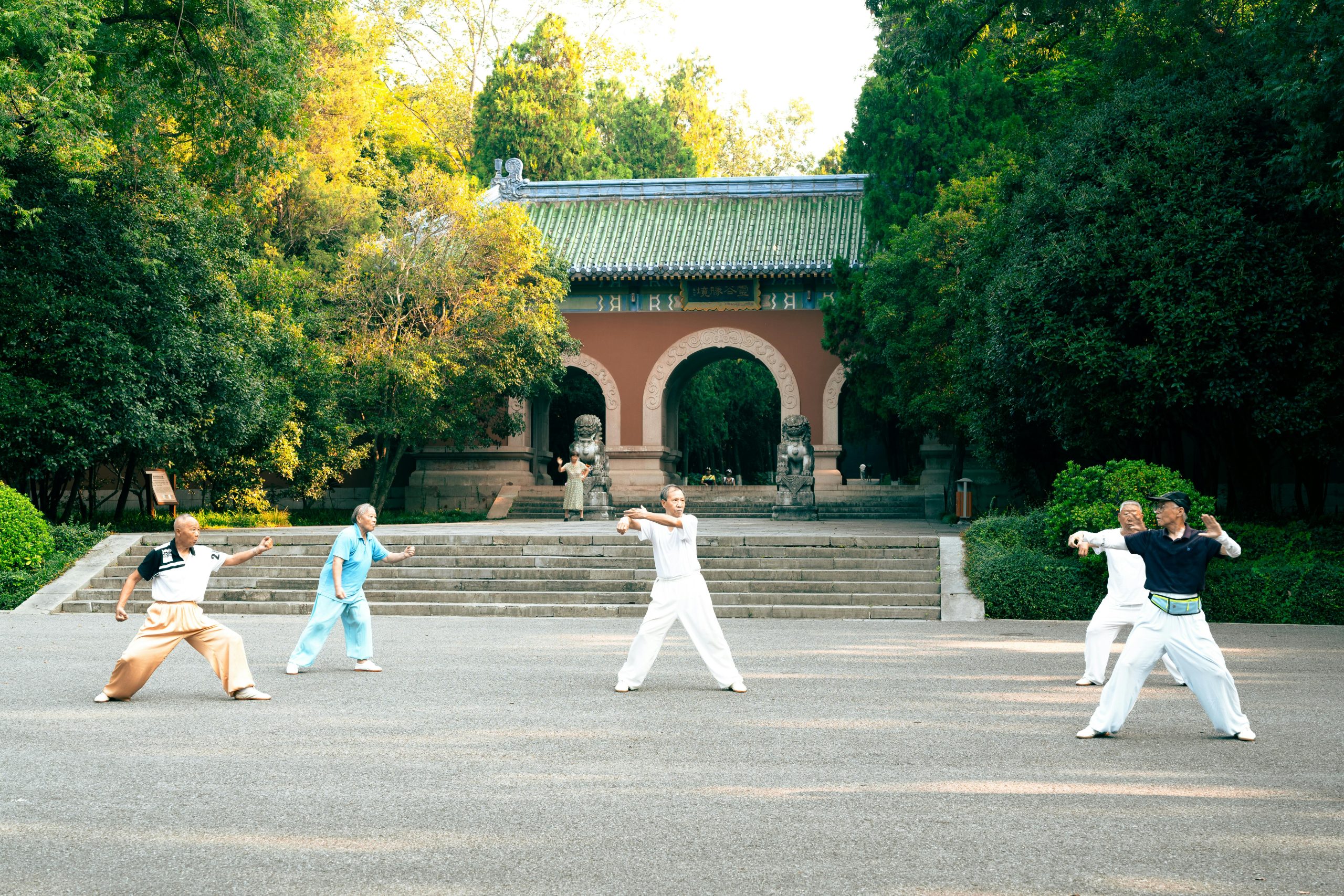
In the afternoon, a resident instructor leads a Kongtong breath-and-posture session — the slow Daoist breathing and standing forms (*tu na*) that the mountain’s lineage has practised for centuries. The session is unhurried and accessible to first-time practitioners; the goal is not performance but the felt experience of how Daoist wellness was originally taught.

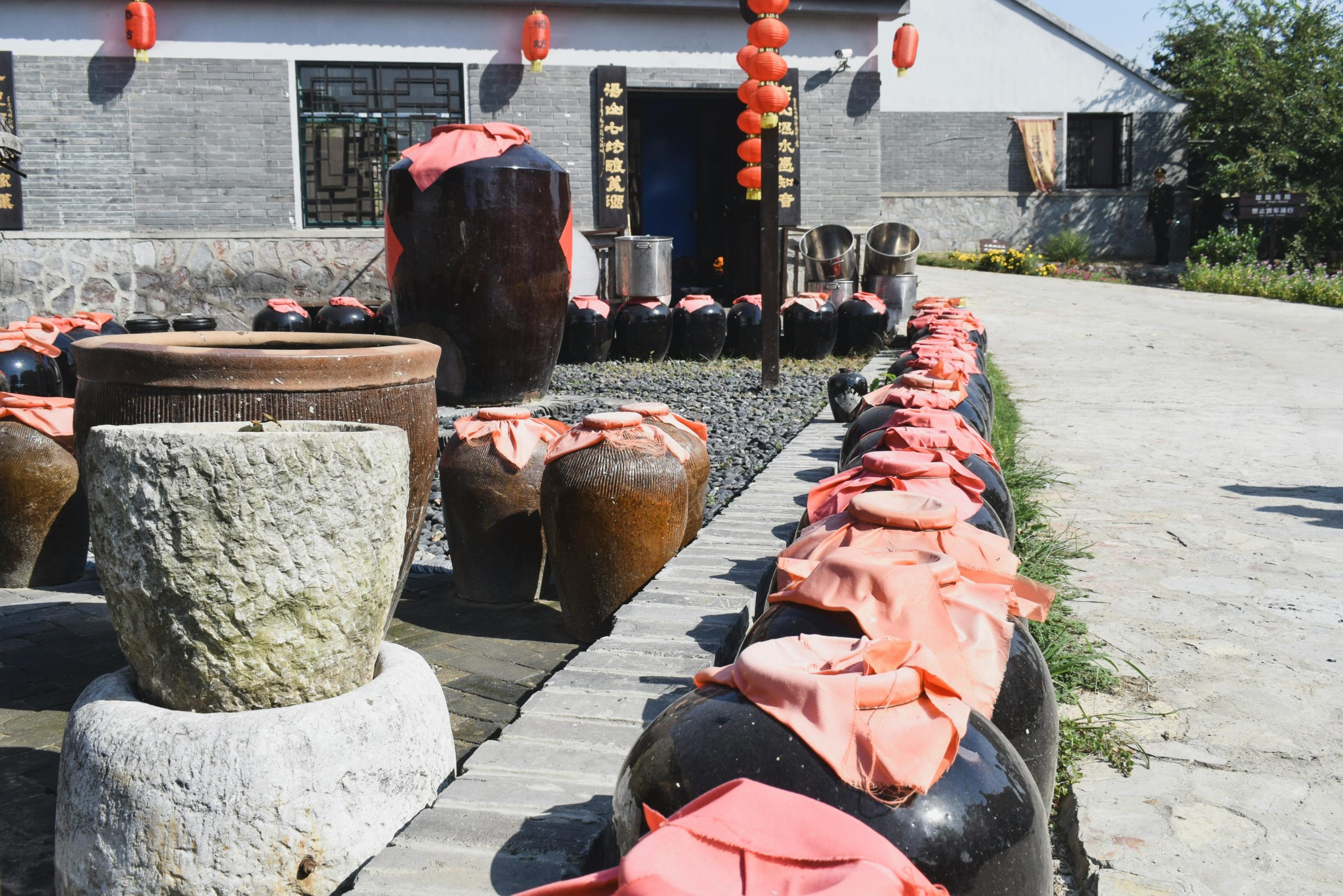
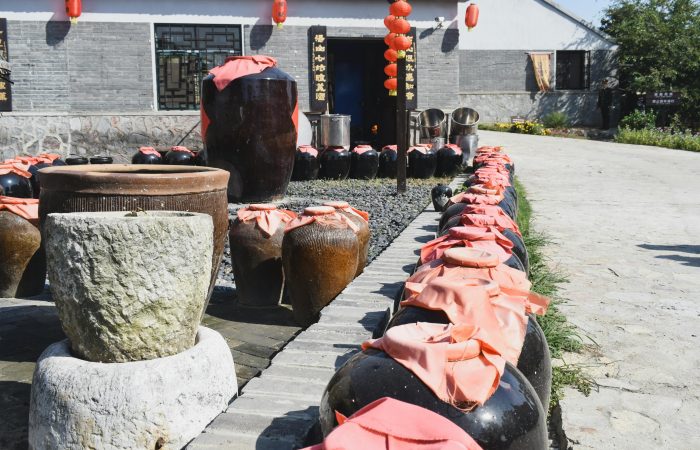
The drive continues east into the Jiuyuan loess hills outside Pingliang to the Jingchuan Jiuyuan Yellow-Wine Estate — a working winery that brews huangjiu (yellow rice wine) the old way, with millet, glutinous rice, and the natural starter cultures that go back to the Tang dynasty. You taste the estate’s range, hear how the wine is made, and the evening turns into a hilltop bonfire — yellow-wine glasses warmed over the fire, the loess sky overhead, and conversation with the estate’s hosts. Overnight at the Jingchuan Jiuyuan Yellow-Wine Estate.

Day 3Ancient Lingtai · Huangfu Mi Acupuncture Heritage

📍 Ancient LingtaiHuangfu Mi Acupuncture Park✨ Acupuncture & Moxibustion Session+2 more

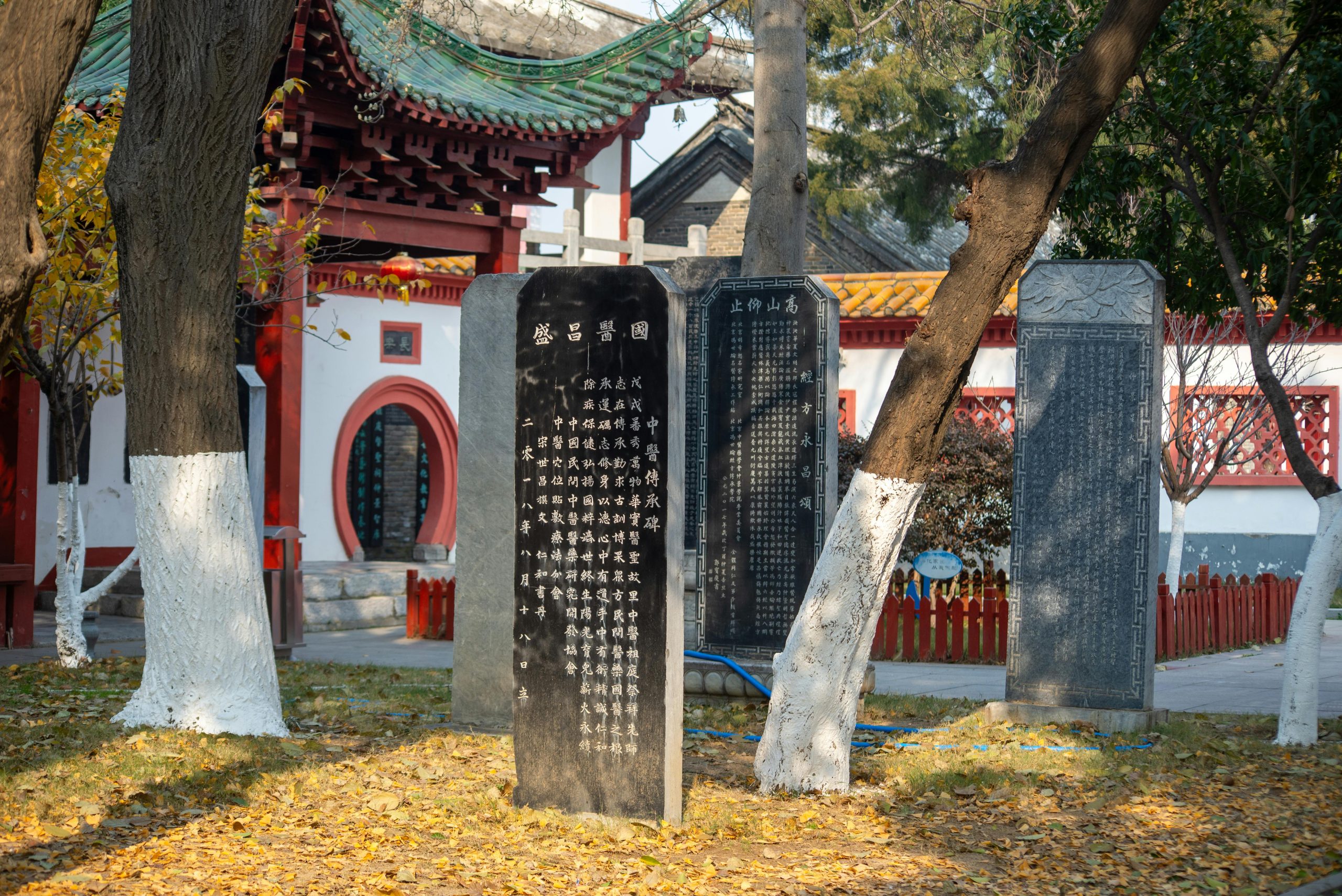
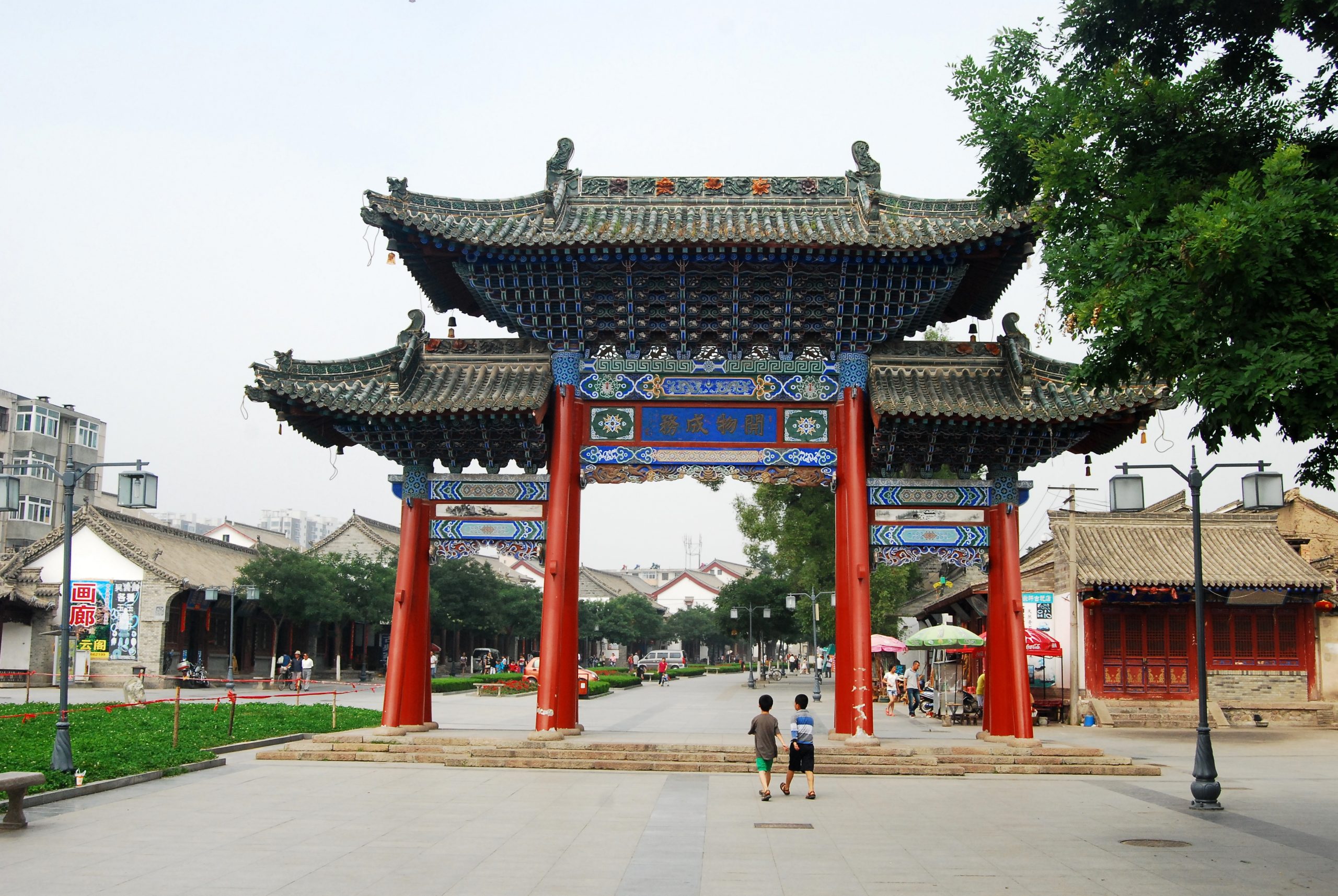
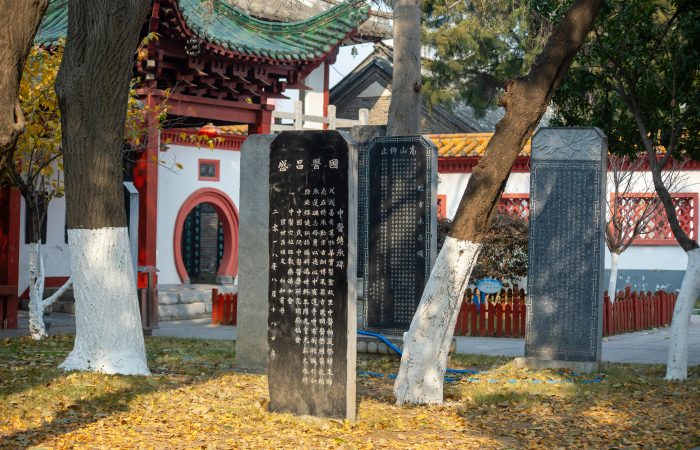
After breakfast at the estate, the morning’s drive heads south to Ancient Lingtai (*Gu Lingtai*) — a Zhou-dynasty ceremonial altar that Chinese tradition calls the First Platform for Sacrificial Rites in China. King Wen of Zhou is said to have commemorated his conquest of the Mixu kingdom here in the eleventh century BC, and later tradition holds that he worked on his expansions of the I Ching (*Yi Jing*) on this platform. Your guide walks you through the three-tier altar, the King Wen statue at the top, and the corridor of stelae below — more than 260 inscriptions and inscribed boards by ancient and modern scholars who came to pay respects.

Lunch is a farm-style meal in Lingtai county — original-ecology ingredients, wheat-led cooking, and the kind of plain Gansu-county food that fits the day’s slow pace.

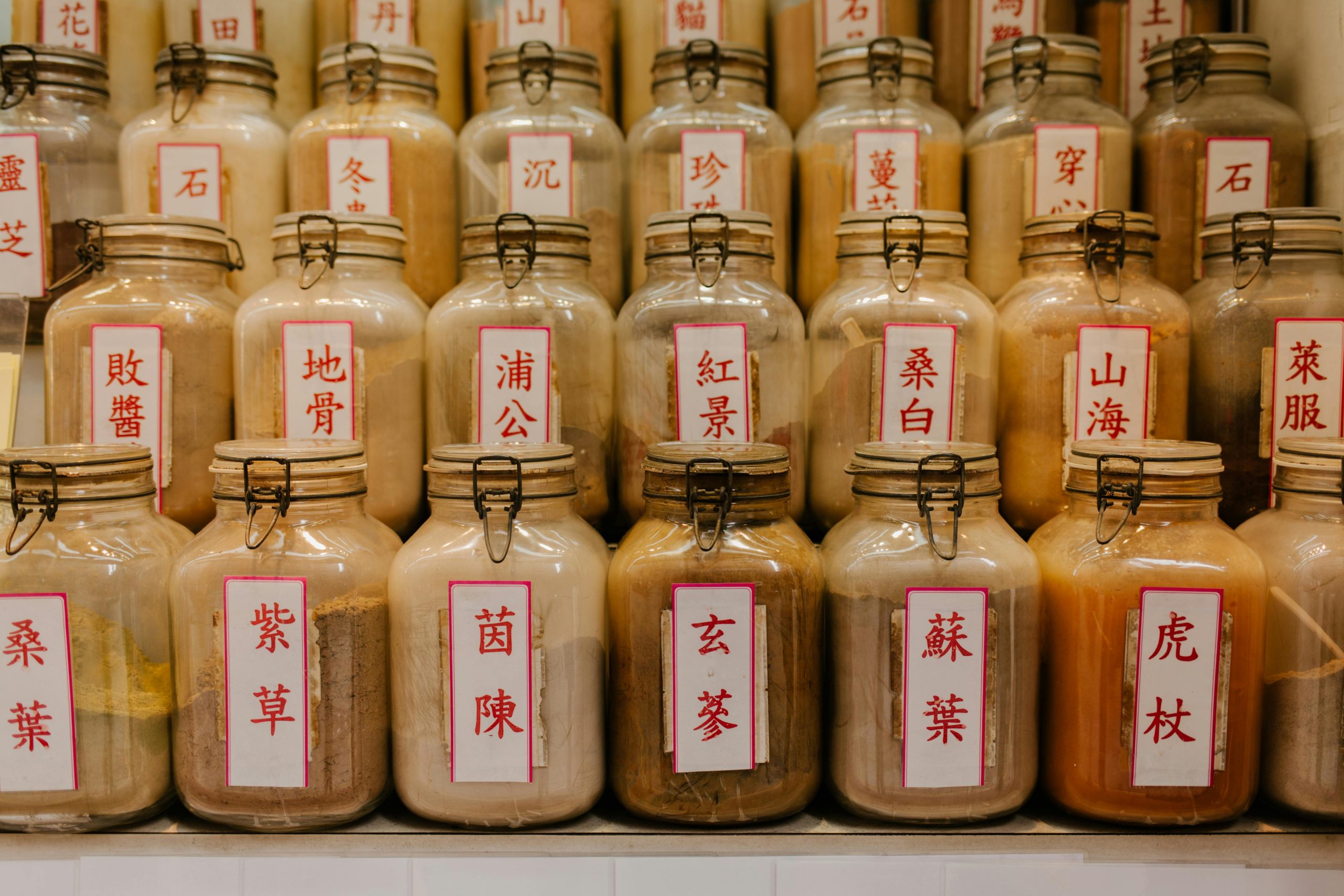
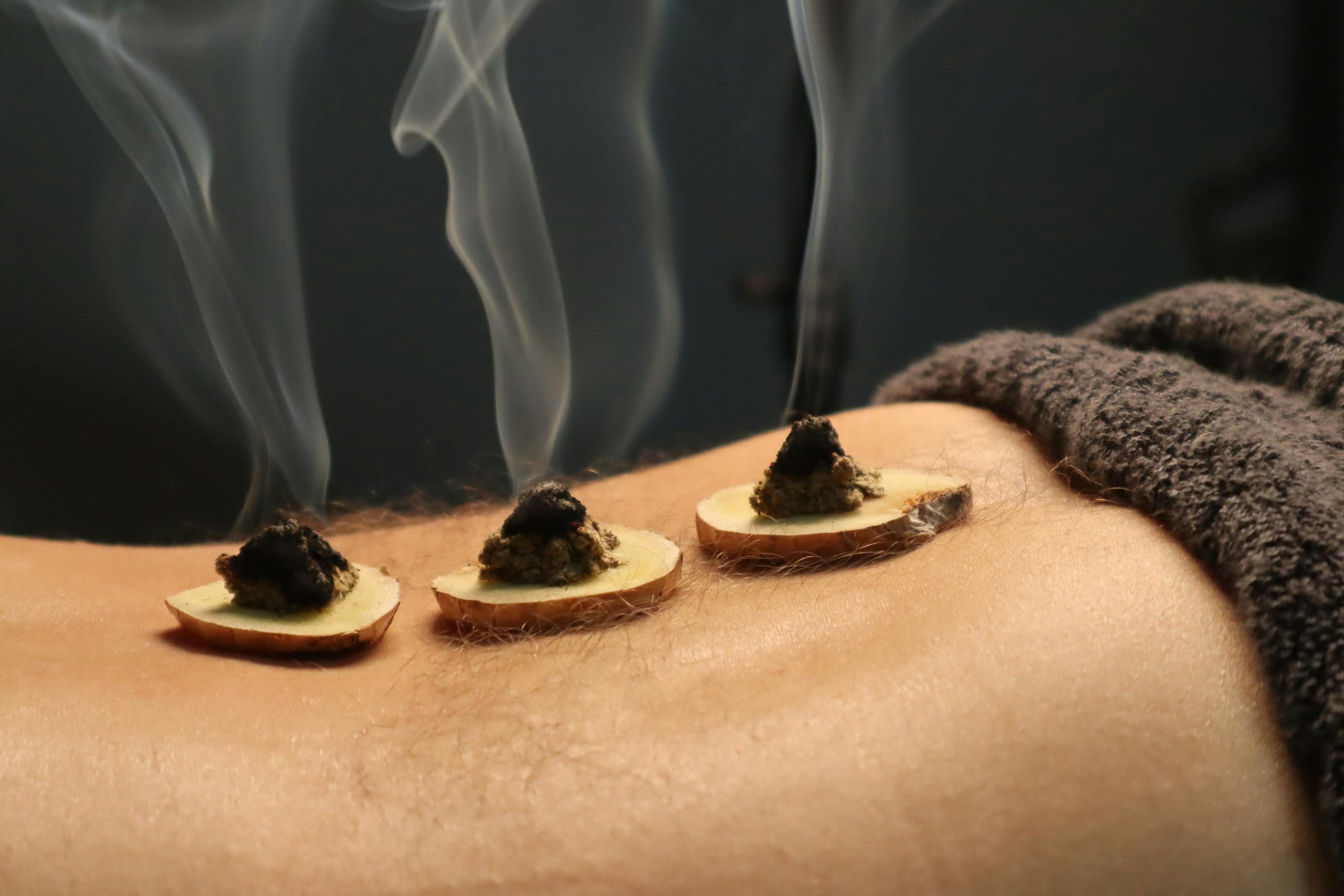
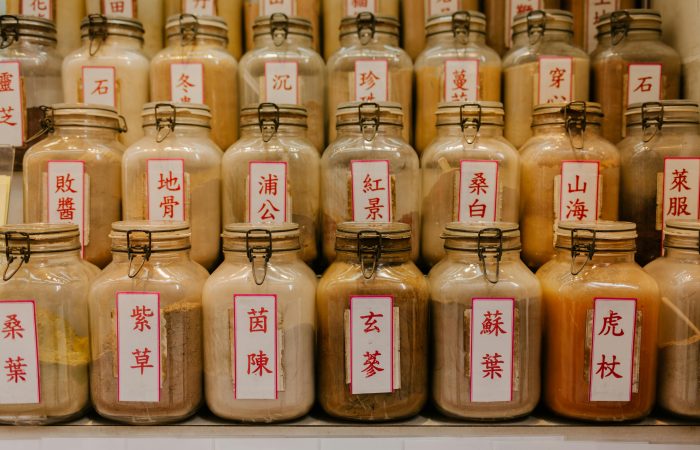
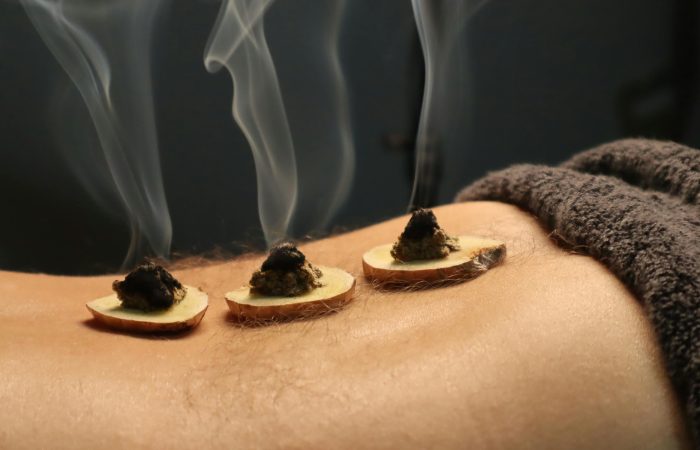
In the afternoon, the route continues to the Huangfu Mi Acupuncture Heritage Park (*Huangfu Mi Wenhua Yuan*) — built on the Lingtai birthplace of Huangfu Mi, the third-century scholar-physician who compiled the Canon of Acupuncture and Moxibustion (*Zhenjiu Jiayi Jing*). The text he wrote between 256 and 260 was one of the earliest systematic acupuncture compilations and is still cited by acupuncturists worldwide more than 1,700 years later. After paying respects at his ancestral hall, you take part in an acupuncture and moxibustion session with a resident practitioner — moxibustion (*ai jiu*, mugwort-stick warming therapy), Chinese-medicine herb identification, and an acupuncture demonstration in the local lineage. The session is hands-on but unhurried; nothing happens that you have not consented to.

Late afternoon, the drive continues south to Tianshui — about three hours through Qinling foothills. Check in to your downtown Tianshui hotel and dinner is at a local Tianshui restaurant. Overnight in Tianshui.

Day 4Guatai Mountain · Fuxi Temple · Tianshui Museum

📍 Guatai MountainTianshui Fuxi Temple✨ Baduanjin & Standing Meditation+3 more

After breakfast, the morning opens at Guatai Mountain (*Guatai Shan*) — the small hill north of Tianshui where the Wei River curves around the base. Guatai means “trigram-drawing platform”: this is where Fuxi, the legendary first ancestor of Chinese civilisation, is said to have stood thousands of years ago to observe the heavens above and the earth below before drawing the eight trigrams (*bagua*) that became the foundational diagram of Daoist and Confucian cosmology. Your guide walks you through the platform, the Fuxi shrine, and the river views from the top.

On the platform itself, a guide-led baduanjin and standing-meditation set — the eight-section brocade qigong sequence that has been practised in this region for centuries, paired with the standing meditation (*zhan zhuang*) that grew out of the same Daoist body-cultivation tradition. The session is gentle and accessible; the goal is to feel the practice in the place that gave it origin.

Lunch is a meal of Tianshui specialties — the city has its own distinctive style of wheat noodles, mutton soup, and small dishes that sit between Shaanxi and Gansu cooking.

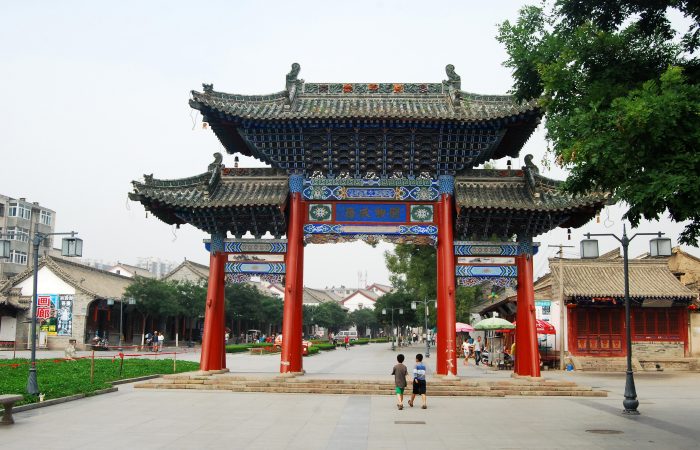
In the afternoon, a short drive into central Tianshui brings you to the Tianshui Fuxi Temple (*Fuxi Miao*) — the largest and oldest Fuxi ancestor-cult site in China, where state-sponsored Fuxi memorials have been held for centuries. Your guide reads the temple’s layout, the Bagua roof emblems, and the cypress trees said to date to the Ming dynasty.

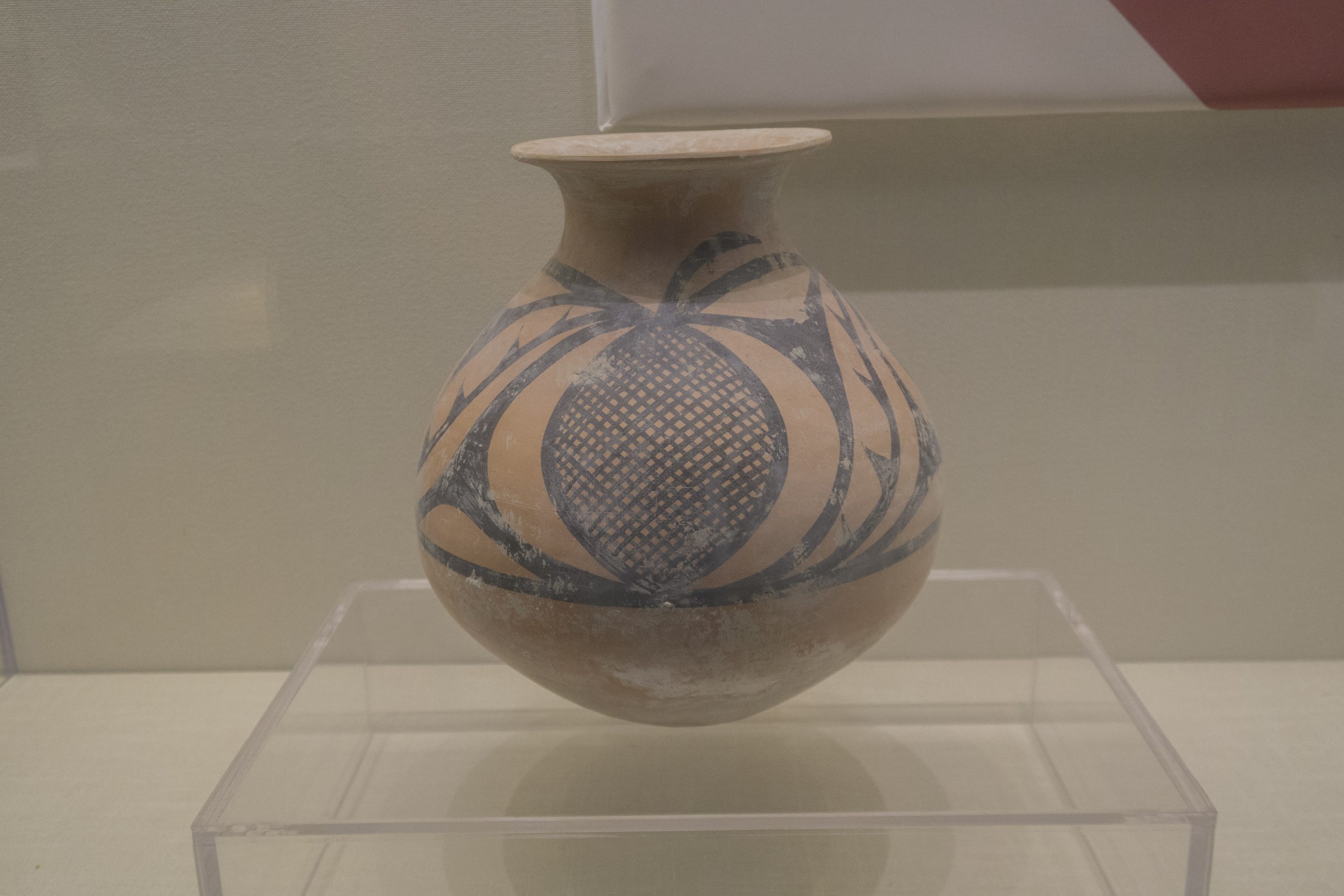
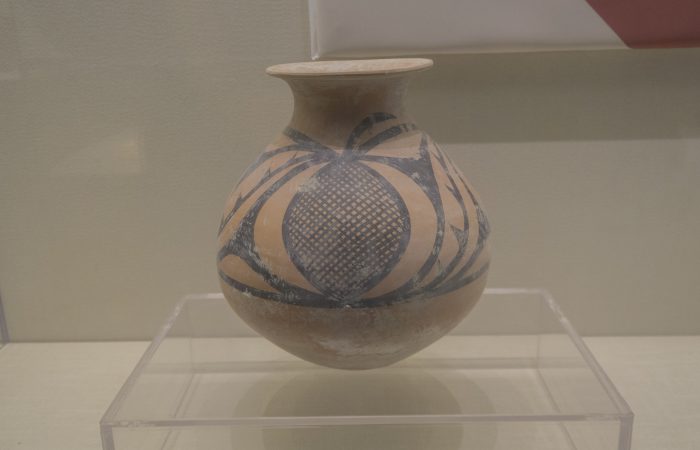
From the temple, the day continues to the Tianshui Museum — the city’s signature collection of Dadiwan and Yangshao culture artifacts: 7,800-year-old painted pottery, ritual figurines, and the early-Neolithic remains that make this region one of the cradles of Chinese civilisation. Late afternoon, the drive continues back to Lanzhou — about three to three and a half hours along the Wei and Yellow rivers. Dinner is a local Lanzhou meal on arrival. Overnight in Lanzhou.

Day 5Yellow River Morning · Lanzhou Beef Noodle · Departure

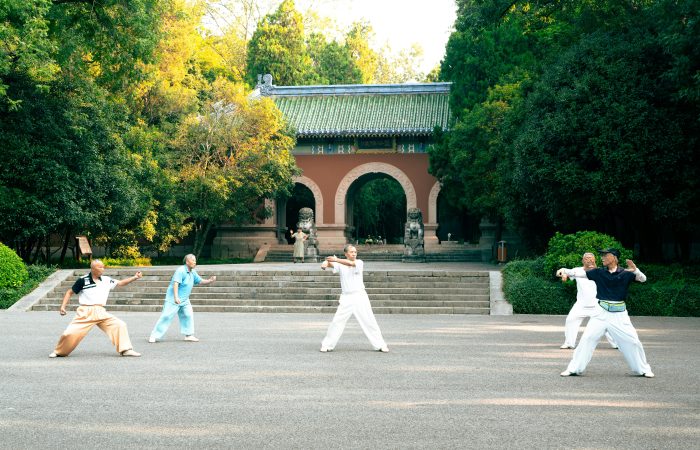
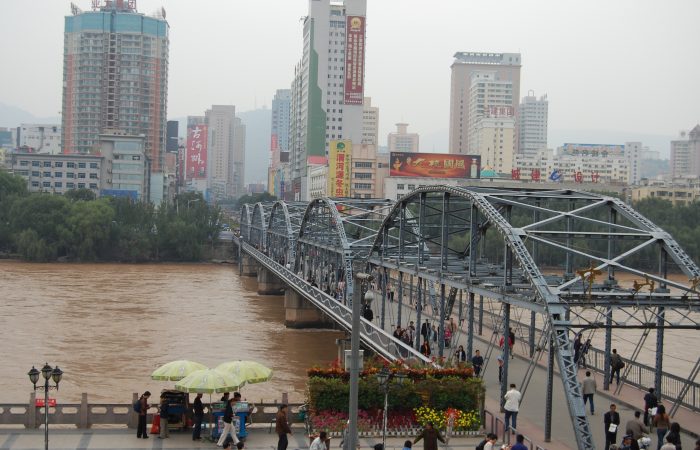
After breakfast and check-out, the morning is yours to walk the Yellow River embankment (*Huanghe Fengqing Xian*) in central Lanzhou — the river runs wide and slow through downtown, and the morning is the right time to see the sunrise off the water and the local crowds doing tai chi along the bank.

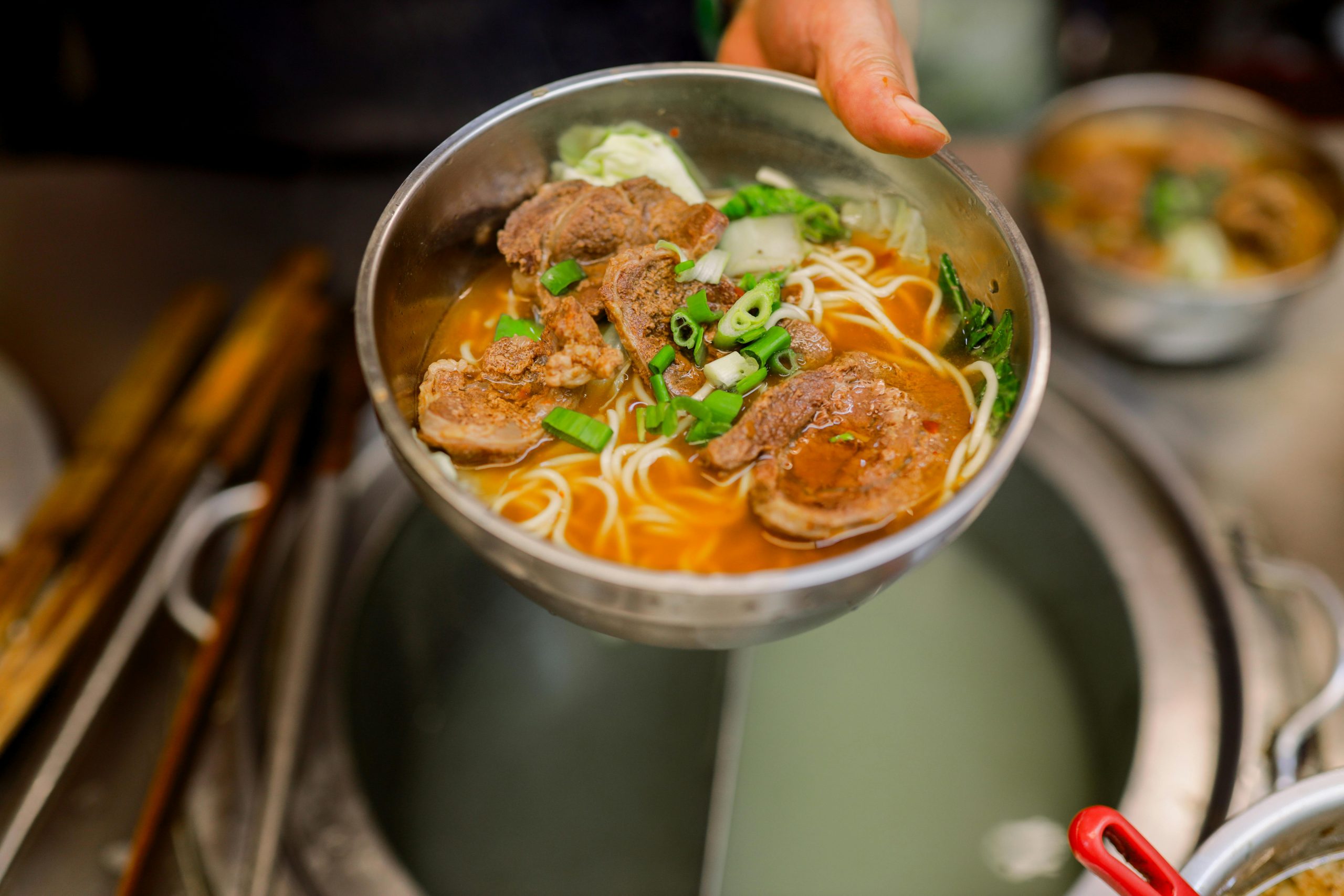
A closing meal at one of the city’s best Lanzhou hand-pulled beef noodle (*Lanzhou Niurou Mian*) shops — the dish that defines the city’s breakfast culture, codified in 1915 by a Hui cook in five elements: clear soup, white radish, red chili oil, green coriander and scallion, and yellow hand-pulled noodles. The bowl is heritage on a table, and Lanzhou locals queue before sunrise for it.

In the afternoon, your guide assists with departure — a private transfer to Lanzhou Zhongchuan International Airport for your onward flight. From here, everything is in your hands.
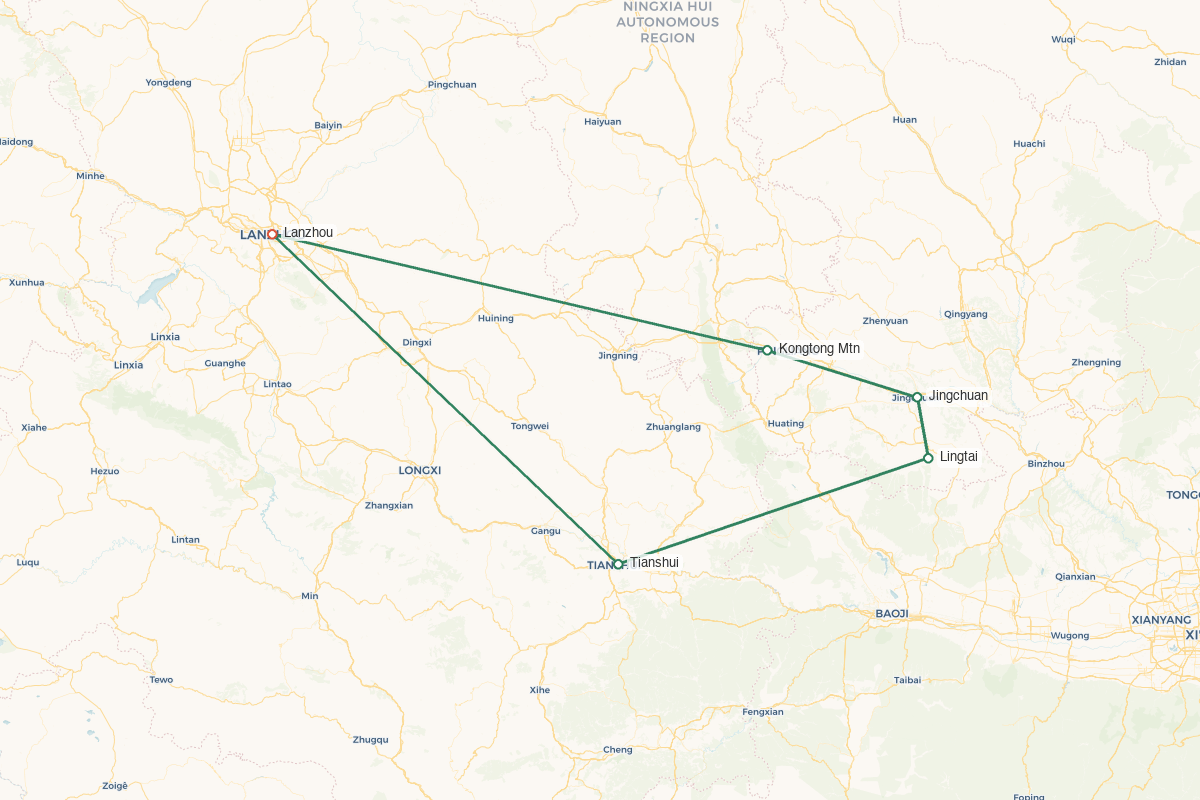
Map
Gansu · Daoist Mountains & Acupuncture Heritage – 5 Days 4 Nights route map
Before Booking

✓ What's Included

Transport — Private vehicle with dedicated driver for the full 5-day route, plus private airport transfers at Lanzhou Zhongchuan on arrival and departure.

Guide — Professional bilingual guide for the full journey, with cultural knowledge of Gansu’s Daoist, Zhou-dynasty, and traditional-medicine heritage.

Accommodation — 4 nights at boutique-tier hotels: 1 night in Lanzhou, 1 night at the Jingchuan yellow-wine estate, 1 night in Tianshui, and 1 night back in Lanzhou.

Meals — Daily breakfast on Days 2–5, plus 3 included lunches and 3 included dinners across Days 2–4.

Entrance Fees — All scheduled sites including Kongtong Mountain, the Jingchuan Jiuyuan Yellow-Wine Estate, Ancient Lingtai, Huangfu Mi Acupuncture Heritage Park, Guatai Mountain, Tianshui Fuxi Temple, and Tianshui Museum.

Experiences — Kongtong breath-and-posture session with a resident instructor, Jingchuan yellow-wine tasting and bonfire evening, Huangfu Mi acupuncture and moxibustion session with herb identification, Guatai baduanjin and standing-meditation set.

Insurance — Travel accident insurance included for the full journey.

Pricing Promise — Everything in the itinerary is included in the tour price. Optional packages and room choices, if any, are shown clearly before payment. No hidden on-trip charges.

+ Booking Options

Everything in the itinerary is included in the tour price. No paid booking options apply to this route.

📋 Prepare for Travel

✈️ Please book your own international flights and any onward flights or trains to Lanzhou Zhongchuan International Airport.

🛡 Travel accident insurance is included for the tour itself. We recommend supplemental medical and evacuation coverage for international travel.

📱 Please arrange your own mobile data plan before departure.

🛂 Check China visa requirements for your nationality before booking.

💊 Bring any personal prescriptions. Eastern Gansu sits at 1,000–1,500 metres on loess plateau; altitude is mild but the air is dry.

🍽 Please inform us of any dietary needs, allergies, or restrictions when booking. Eastern Gansu cooking is wheat-led and lamb-friendly; lighter Daoist vegetarian fare is available on Day 2 at Kongtong.

💳 Most scheduled venues accept international credit cards. For smaller shops, tea houses, and the Jingchuan winery, please have local cash or a local mobile payment app ready.

🏔 Kongtong Mountain involves stone-stair walking on the temple paths and a cable-car-assisted ascent to the upper peak. Guatai Mountain is a gentler hill walk. Comfortable walking shoes are essential.

🧳 Eastern Gansu has cold dry winters, mild springs and autumns, and warm summers. Layers are recommended in any season; a light windbreaker is useful on Kongtong’s upper ridges even in summer.

? FAQ

Where does the tour start and end?
Starts and ends in Lanzhou. Private airport transfers are included via Lanzhou Zhongchuan International Airport on arrival and departure.

How do we get around during the tour?
A private vehicle with dedicated driver carries you across eastern Gansu for the full 5-day route — Lanzhou to Pingliang on Day 2, Pingliang to Lingtai and on to Tianshui on Day 3, the Tianshui sites and back to Lanzhou on Day 4, with a bilingual guide throughout. Drives are 3–4 hours on the longest legs (Lanzhou–Pingliang, Tianshui–Lanzhou) and shorter inside the Pingliang area.

What is the Daoist heritage of Kongtong Mountain?
Kongtong is one of China’s earliest Daoist sacred mountains. The Yellow Emperor is said to have come here to learn from the immortal Guangchengzi, making it a foundational site of Daoist mythology. Buildings on the mountain go back to the Wei and Jin dynasties (3rd–5th century), with the Ming dynasty seeing its largest expansion. The mountain has held Daoist, Buddhist, and Confucian temples side by side for more than 1,500 years.

Who was Huangfu Mi and what does the heritage park do?
Huangfu Mi (215–282) was a scholar-physician born in Lingtai, eastern Gansu. Between 256 and 260 he compiled the Canon of Acupuncture and Moxibustion (Zhenjiu Jiayi Jing) — one of the earliest systematic acupuncture texts and still a foundational reference for the practice today. The Huangfu Mi Acupuncture Heritage Park is built on his birthplace; the on-site clinic offers moxibustion sessions, herb identification, and acupuncture demonstrations in the lineage that traces back to him.

Why is Tianshui called the homeland of Fuxi?
Tianshui is the traditional birthplace of Fuxi — the legendary first ancestor of Chinese civilisation, credited with inventing the eight trigrams (bagua) that became the basis of Daoist and Confucian cosmology. Guatai Mountain, the small hill north of Tianshui that the Wei River curves around, is named for the platform where Fuxi is said to have observed the heavens and drawn the trigrams. The Fuxi Temple in central Tianshui has been a state-level ancestor-cult site for centuries.

How physically demanding is the tour?
Gentle to moderate walking pace overall. Kongtong Mountain on Day 2 involves stone-stair walking on the temple paths, with a cable car assisting the climb to the upper peak. Guatai Mountain on Day 4 is a gentler hill walk. The other sites are flat. Comfortable walking shoes are essential. Eastern Gansu sits at 1,000–1,500 metres on the loess plateau — altitude effect is mild but the air is dry.

What is the cancellation policy?
Our cancellation and refund policy is tiered based on how far in advance you cancel. Full details at Terms & Conditions.

Should I book pre/post-tour accommodation?
Day 1 starts with airport pickup at Lanzhou Zhongchuan and Day 5 ends with airport drop-off at the same airport, so the tour brackets your flight times directly. Pre/post nights are not required, but we are happy to recommend Lanzhou hotels if your flights need additional buffer.

Can I fly a drone during the tour?
China requires all drone operators (including foreign visitors) to register with the CAAC before flying. Kongtong Mountain, the Fuxi Temple, and the Tianshui Museum are no-fly zones for visitor drones; the Jingchuan winery and the Lingtai altar may permit recreational drone use with prior agreement. Inform your guide in advance if you plan to bring a drone.

Is this tour suitable for children?
Minimum age is 10 on this tour. The route is built around cultural-heritage sites and contemplative wellness practice — Daoist breathwork, acupuncture demonstration, baduanjin — that work better when the child can engage with the explanation. Children should also be able to handle 3–4 hour drives between sites.

Travel Notes
Local Names
Lanzhoulahn-JOH
The only provincial capital the Yellow River runs straight through — Silk Road middle ground since the Han dynasty
Kongtong ShanKOHNG-tohng shahn
Kongtong Mountain — Daoism's First Mountain in the West, where the Yellow Emperor came to learn from the immortal Guangchengzi
PingliangPING-lyahng
Pingliang — the eastern Gansu prefecture that holds Kongtong Mountain and Lingtai County
JingchuanJING-chwahn
Jingchuan — the Jiuyuan loess hills where huangjiu yellow rice wine is brewed in the Tang-dynasty style
LingtaiLING-tai
Lingtai — named after the Lingtai acupuncture point and the birthplace of Huangfu Mi, who compiled the Canon of Acupuncture
Huangfu Mihwahng-foo MEE
Huangfu Mi (215–282) — the Lingtai-born scholar whose Canon of Acupuncture and Moxibustion is still cited 1,700 years later
Tianshuityen-SHWAY
Tianshui — Gansu's second city, traditional birthplace of Fuxi and home of China's oldest Fuxi ancestral temple
Guatai ShanGWAH-tai shahn
Guatai Mountain — the Wei River hill where Fuxi is said to have drawn the eight trigrams that became the bagua
Fuxi Miaofoo-SHEE myow
Tianshui Fuxi Temple — the oldest and largest Fuxi state-cult site in China, with Ming-dynasty cypresses and Bagua roof emblems
Niurou Miannyoh-ROH myen
Lanzhou hand-pulled beef noodle — codified in 1915 with five elements: clear soup, white radish, red chili, green herbs, yellow noodle

Proceed Booking