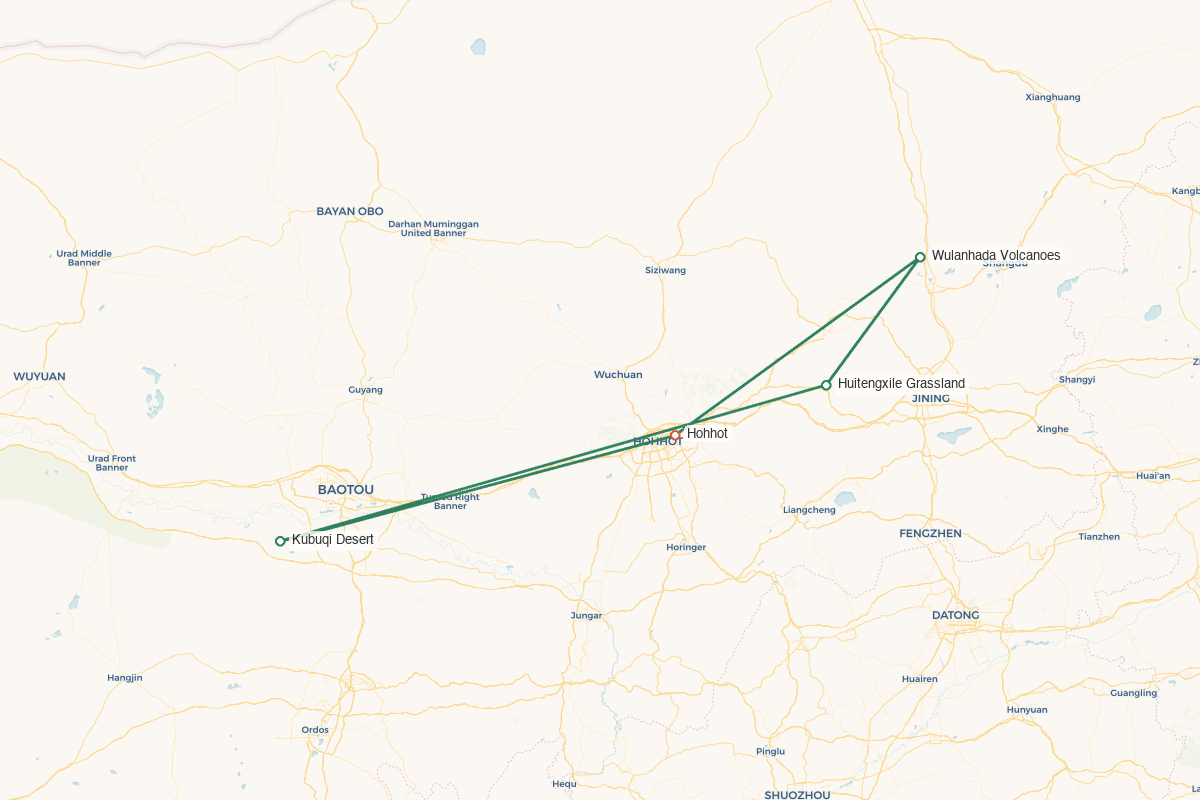
Five days across central Inner Mongolia, where the steppe is shaped by three landscapes that almost never appear in the same trip — a Holocene volcano field, an alpine grassland at 2,100 metres, and the singing-sand edge of the Kubuqi Desert.
The journey opens in Hohhot, the old Mongol capital. From there the route climbs to Wulanhada Volcano Geopark to walk the cones that erupted only 10,000 years ago, sleeps a night in a luxury yurt on the Huitengxile Grassland with a dismount-wine welcome and a bonfire of khoomei throat song and morin khuur fiddle, then drops south to the Kubuqi dunes for a night in a glass-roofed desert capsule under the Mongolian sky. The closing day returns to Hohhot for the only surviving Qing princess mansion, the Silver Buddha at Dazhao Temple, and a hands-on craft session on Saishang Old Street’s 400-year-old trading lanes.
Your guide meets you at Hohhot Baita International Airport — named after the White Pagoda just southeast of the runway — and drives you the short distance into the city. Hohhot is the capital of Inner Mongolia and was the Tumed Mongol heartland long before it was a provincial capital; the locals still call it the Blue City, after the bluestone walls of the old town.
After check-in there is time to settle in, recover from the flight, and ease into the steppe-city pace. The rest of the day is yours. Your guide can point you toward the most pleasant evening walk — the lantern-lit streets around Saishang Old Street, the food stalls of the night market, or simply a slow plate of mutton and milk tea in a courtyard restaurant near your hotel.
Overnight in Hohhot.
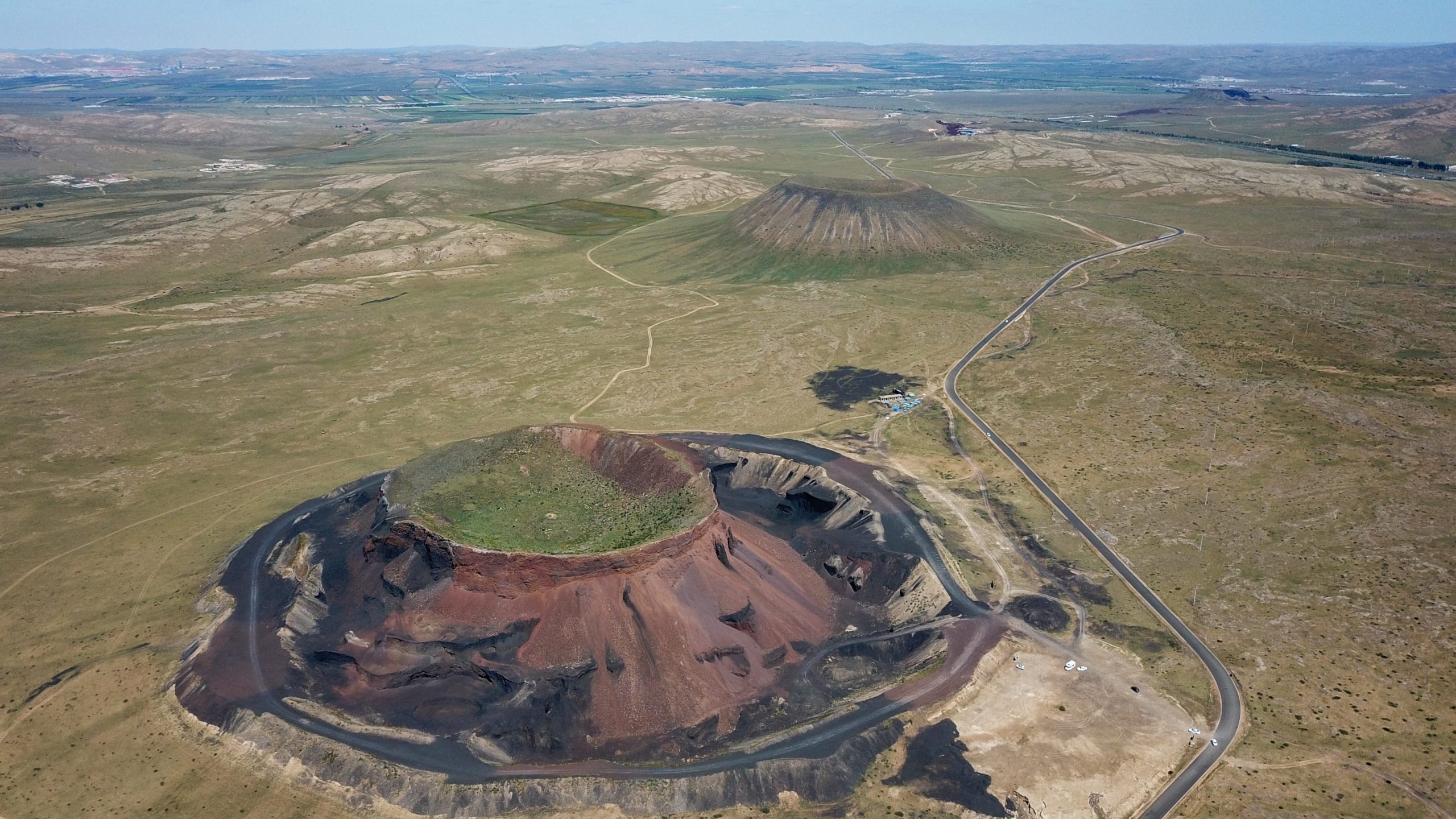
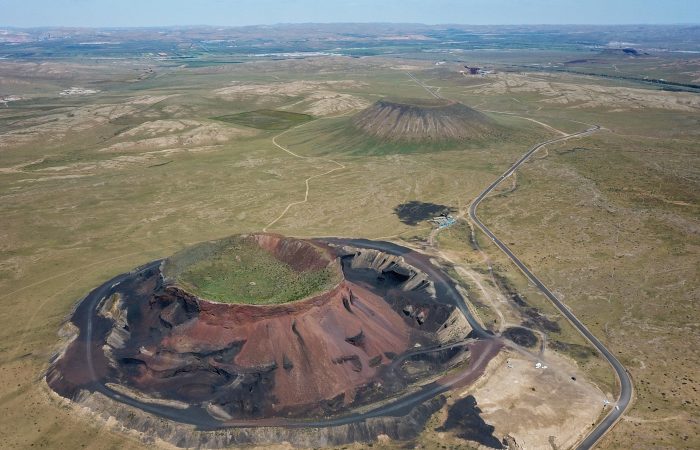
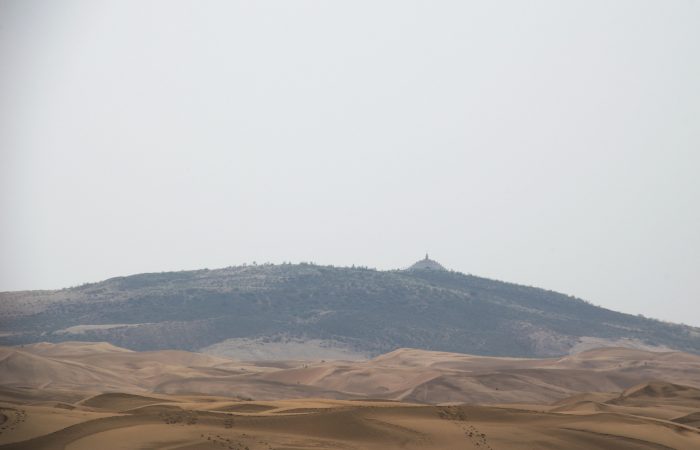
After breakfast, the day’s drive runs north onto the basalt plateau toward Wulanhada Volcano Geopark — a 280-square-kilometre field of more than thirty volcano cones strung along a fault line, the youngest volcanoes in this part of the world and the only group known to have erupted during the Holocene, around 10,000 years ago. The flat steppe makes the cone shapes almost diagrammatic: black scoria rims, red lava flows, and the famous “alchemy furnace” silhouettes lined up along the horizon.
You walk the most photogenic cones — Volcanoes 3, 5, and 6 — climbing the loose-scoria rims at your own pace, looking down into the craters where the last eruptions left their lava signatures. There is time to comb the slopes for volcanic glass and small agates that come up out of the ground after every wind. After the walk, a volcano-rim afternoon tea is set up out on the lava field — a quiet break with the cones still in view before you continue north.
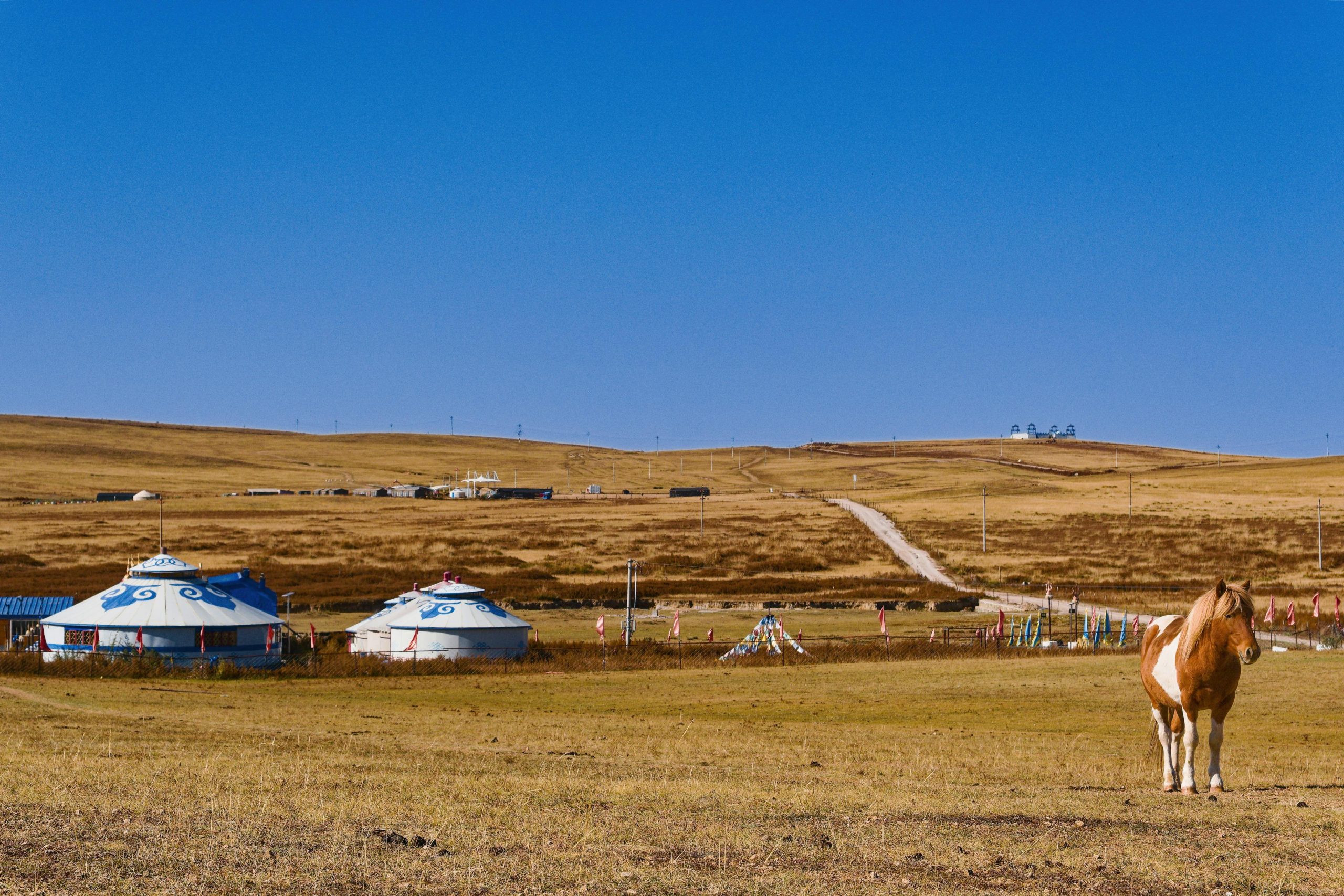
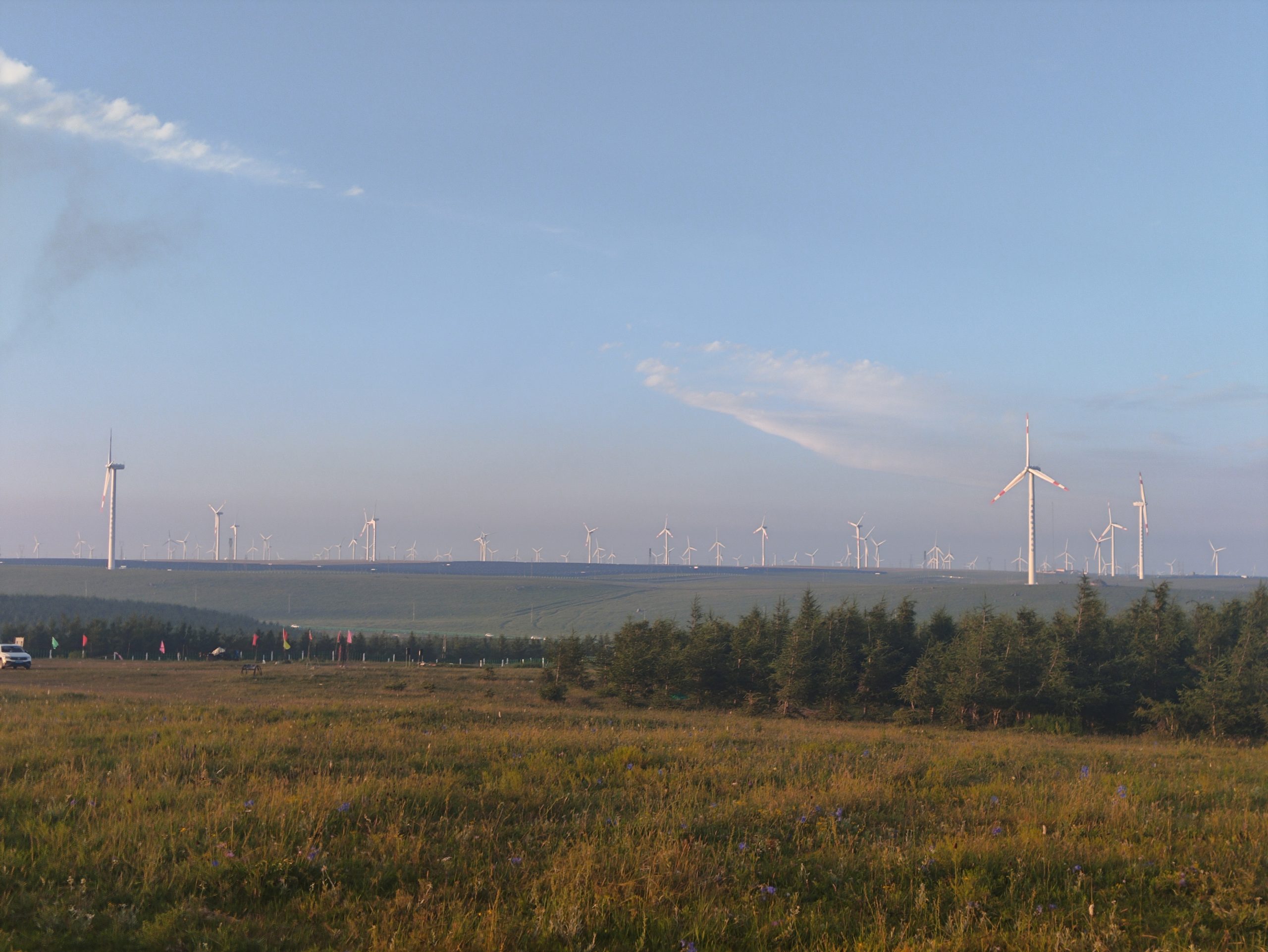
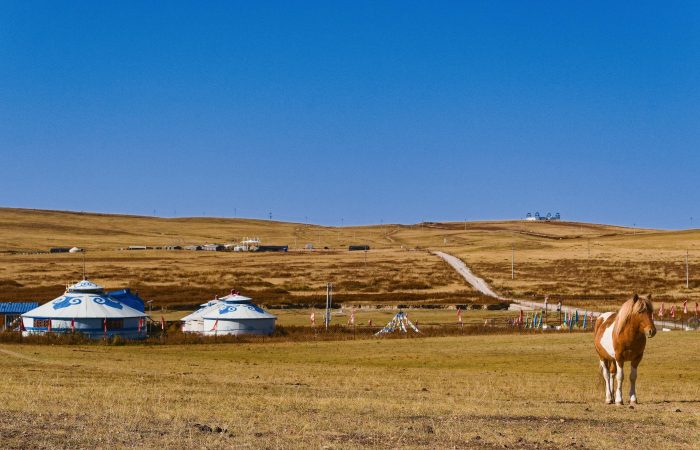
In the late afternoon the route climbs onto the Huitengxile Grassland at 2,100 metres — the alpine meadow plateau dotted with ninety-nine spring-fed lakes that gives this corner of Ulanqab its summer-cool reputation. Arrival is ceremonial. A dismount-wine welcome waits at the camp gate: a Mongolian host offers you a silver cup of milk wine and a *hada*, the long blue silk scarf draped over both your hands as you take the wine with both hands and drink. It is the oldest Mongol welcome on record, and on the grassland it is still done the way it was done for the Khans.
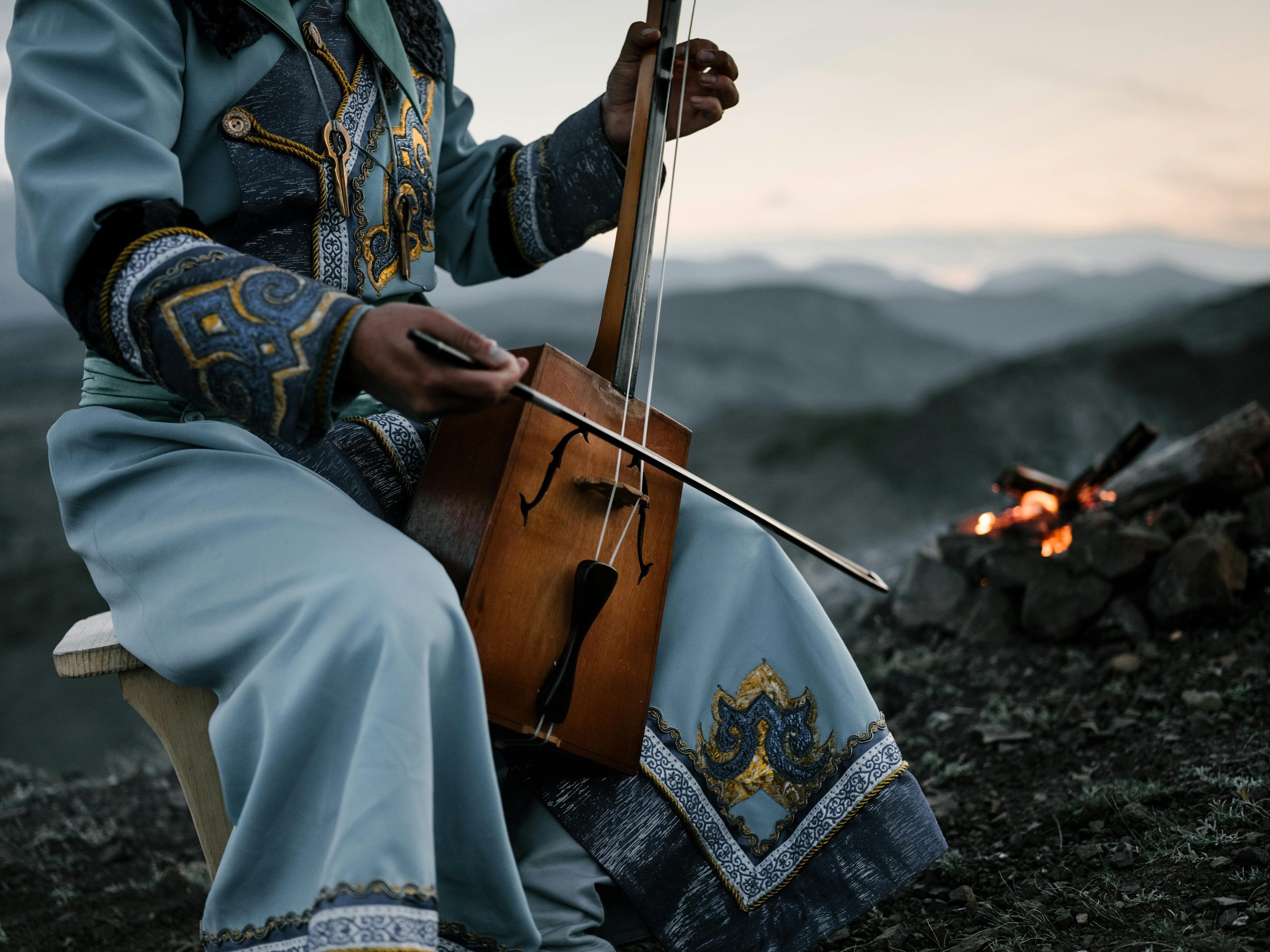
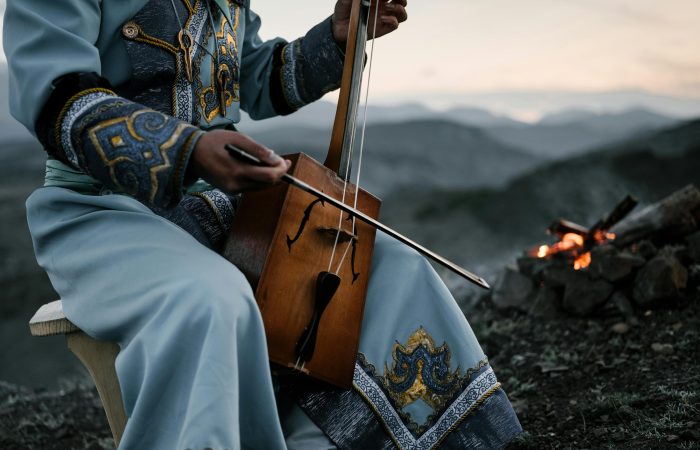
Dinner is a grassland-style banquet of mutton, dairy, and Mongolian milk tea inside the host yurt. After dinner, the evening turns to the bonfire on the open grass — the long song *urtiin duu*, the throat song *khoomei*, and the two-string horse-head fiddle *morin khuur*, all on UNESCO’s intangible-heritage list, performed by Mongol musicians around the fire while the Milky Way comes up overhead. Step away from the fire and the sky is dark enough to read by the stars.
Overnight in a Huitengxile Grassland Luxury Yurt.
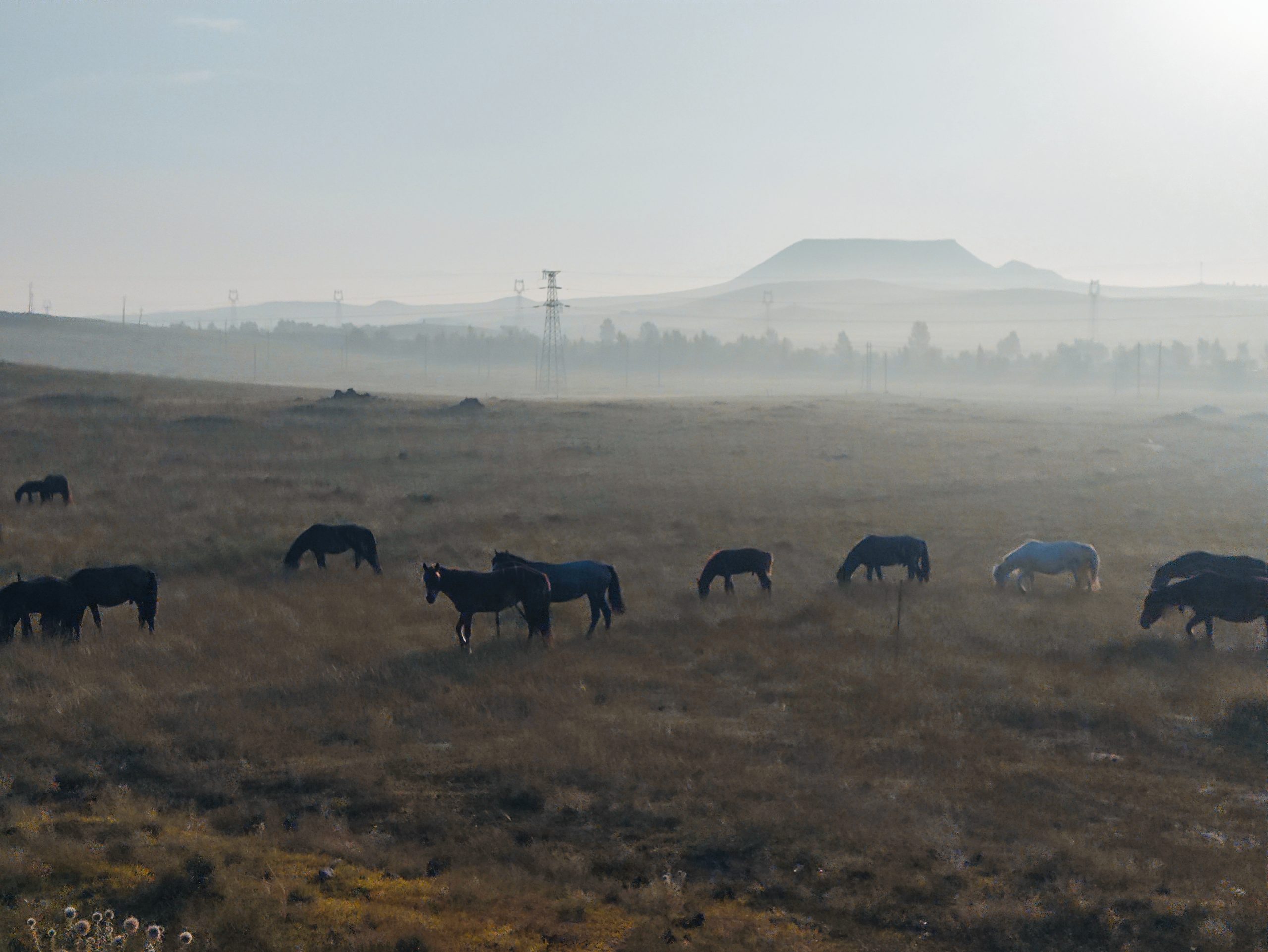
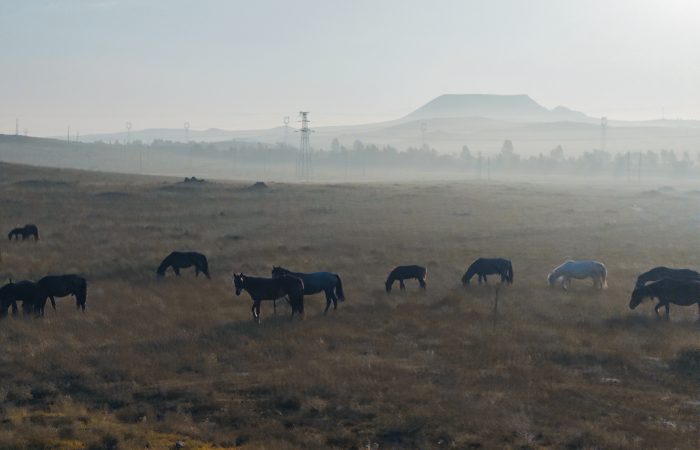
Wake early if you want the grassland sunrise — first light on the Huitengxile plateau is one of those moments the trip will be remembered for. Breakfast is at the camp, and there is unhurried time to walk among the herders’ yurts, watch a herd of horses move on the open ground, or just sit with a fresh bowl of milk tea before the route turns south.
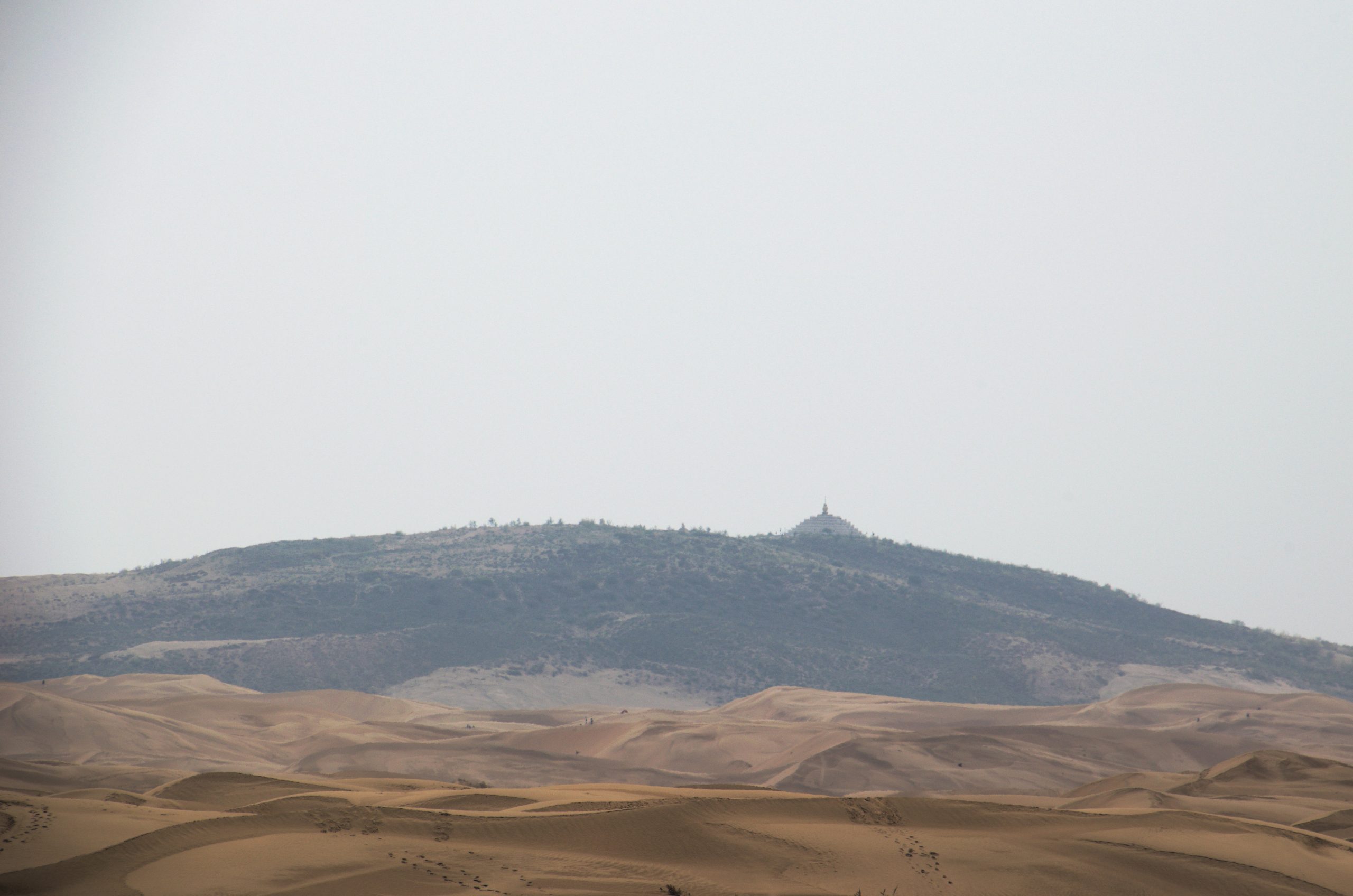
The afternoon’s drive crosses the steppe down toward the Kubuqi Desert — China’s seventh-largest desert, a 200-mile band of dunes south of the Yellow River. You enter at Yinkentala Singing Sands, the desert tourism area named for the rumbling “sounding sand” phenomenon that the steepest dunes here produce when the wind or a slide sets the grains moving. A desert cableway — the longest desert cableway recognised by the Guinness book — lifts you across the dunes for the panoramic approach, then sets you down on the most photogenic ridge.
With the dunes opened up, the rest of the afternoon is yours to listen for the singing-sand effect, walk the ridges barefoot, and watch how the light changes over the desert before sunset. As the sun drops, the route moves on to the Kubuqi Desert Capsule — a glass-roofed pod planted in the sand. Dinner is at the camp; the night is yours to lie back and let the curved glass open the whole night sky over the bed.
Overnight in a Kubuqi Desert Capsule.
Sunrise over the dunes is the day’s first move — first light on the Kubuqi sand changes colour minute by minute, and the air is at its coolest before the sun climbs. Breakfast is at the desert camp.
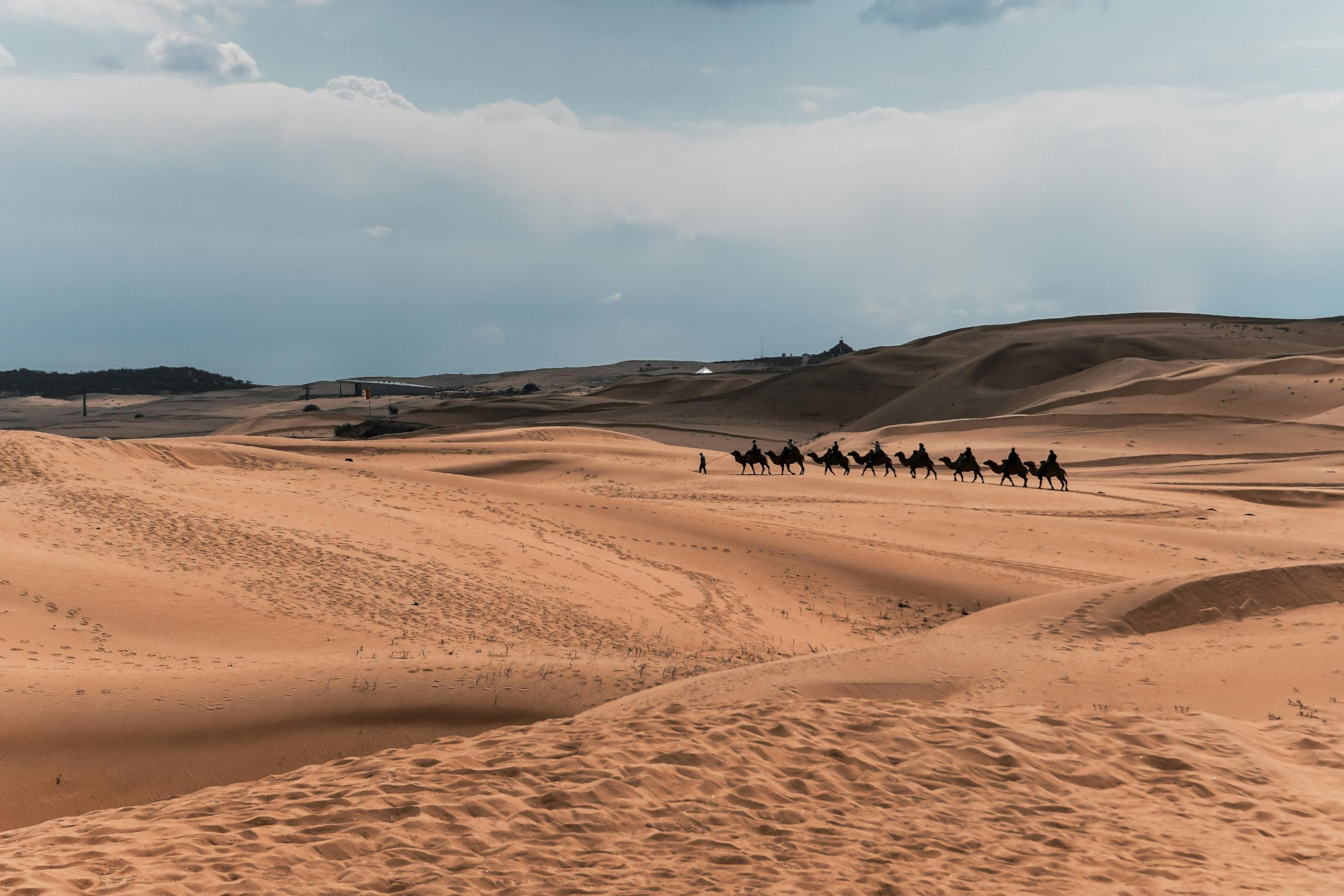
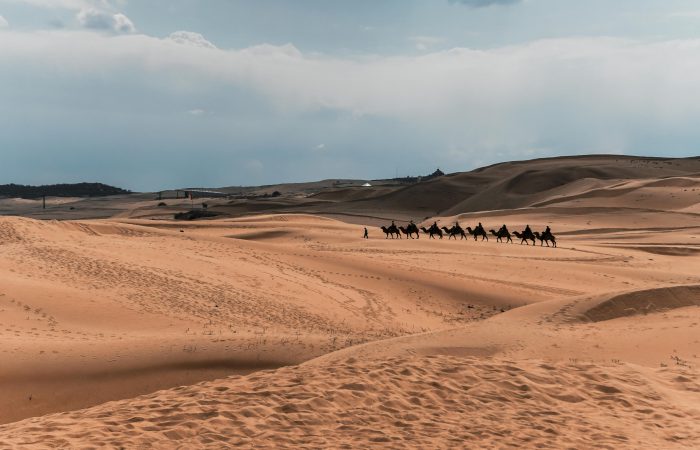
The morning is the Kubuqi Desert play day — sand-surfing down the steepest dune faces on a board, sliding down on the sit-down sleds the camp keeps, and a guided camel ride across the ridge lines on the camels that the Erdos herders still raise. Activities are unhurried and you choose your own mix; there is also the option to simply walk a quiet ridge with a flask of tea.
After lunch the route returns north to Hohhot. Check-in is at the city hotel and the rest of the afternoon is yours — a quiet shower, a nap, and an unhurried return to the city’s pace. Dinner is on your own; your guide can recommend a Hohhot specialty restaurant for hand-pulled lamb, dairy hotpot, or a Mongolian-style barbecue.
Overnight in Hohhot.
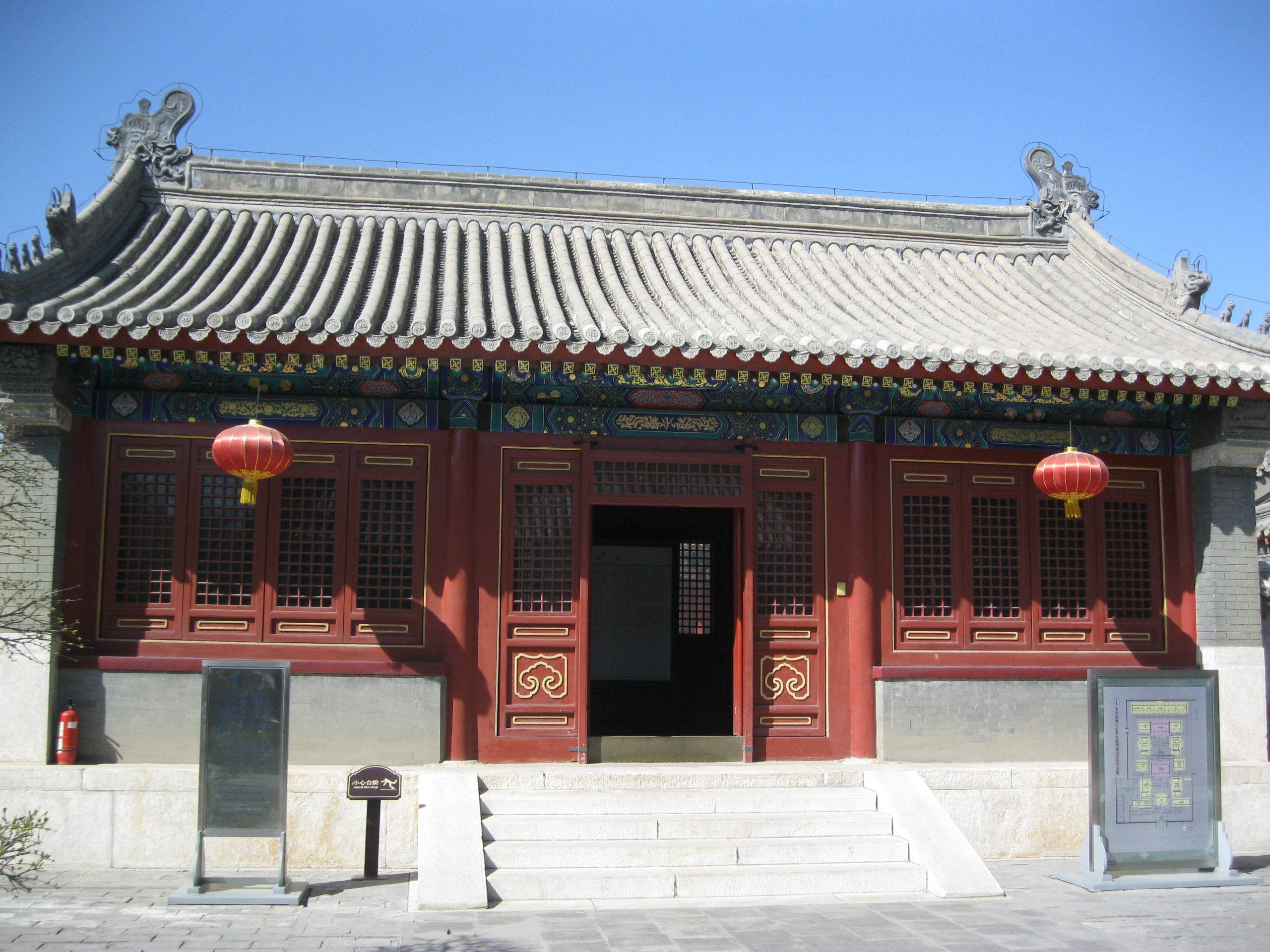
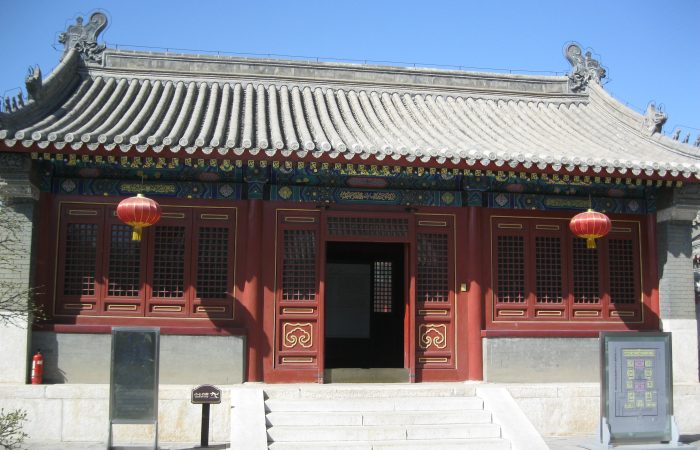
The closing morning collects Hohhot’s heritage in one arc. After breakfast, you visit the Qing Princess Mansion — the residence of Princess Heshuo Kejing, the sixth daughter of the Kangxi Emperor, who was married to a Khalkha Mongol prince in 1697 as part of the Qing court’s policy of binding the Mongol nobility through marriage. The mansion is the only surviving Qing-era princess residence in China, restored along its central axis with four courtyards and the rooms in which the princess actually lived.
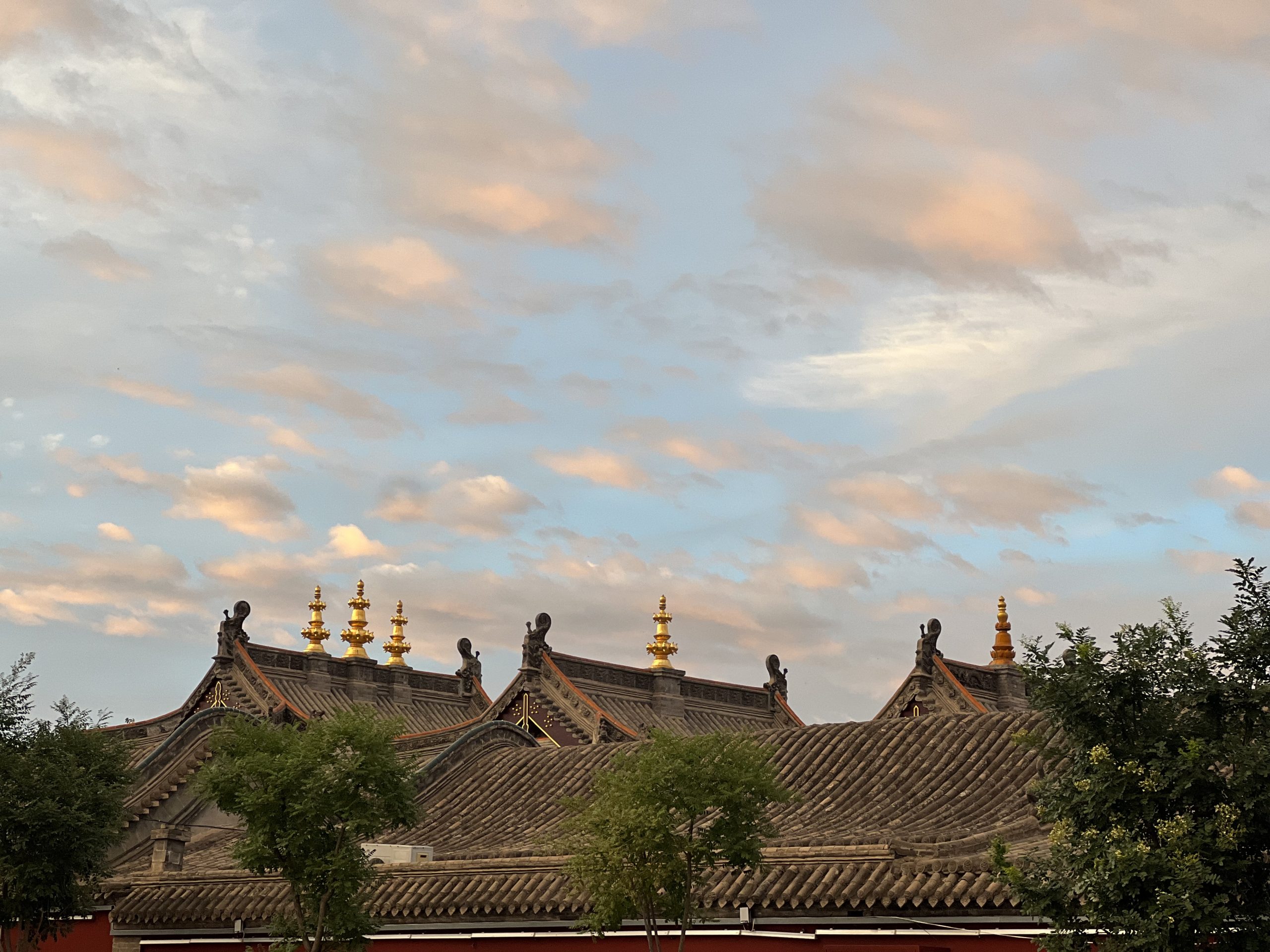
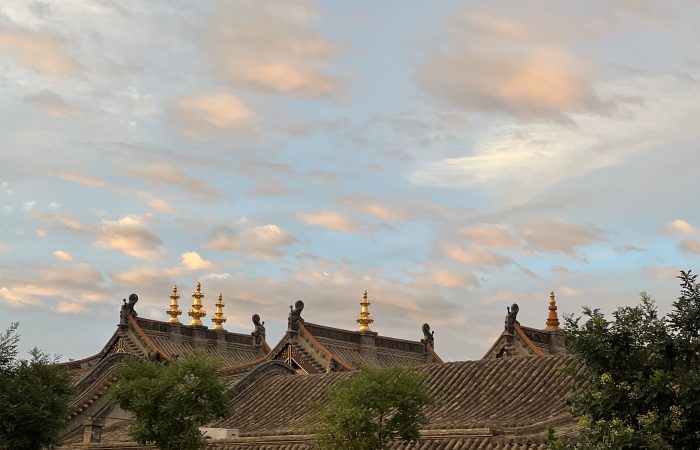
From the mansion, the route continues to Dazhao Temple — Hohhot’s first and largest Tibetan Buddhist temple, built in 1579 by Altan Khan, leader of the Tumed Mongols, and consecrated by the third Dalai Lama in 1586. Inside the main hall is the temple’s centerpiece: a silver Buddha, a 2.5-metre statue of Shakyamuni cast from 30,000 taels of pure silver by Nepali artisans — the reason locals call this the Silver Buddha Temple. The architecture itself is the visible meeting of three traditions: Han cornices, Tibetan prayer wheels, and Qing imperial yellow-glazed tile.
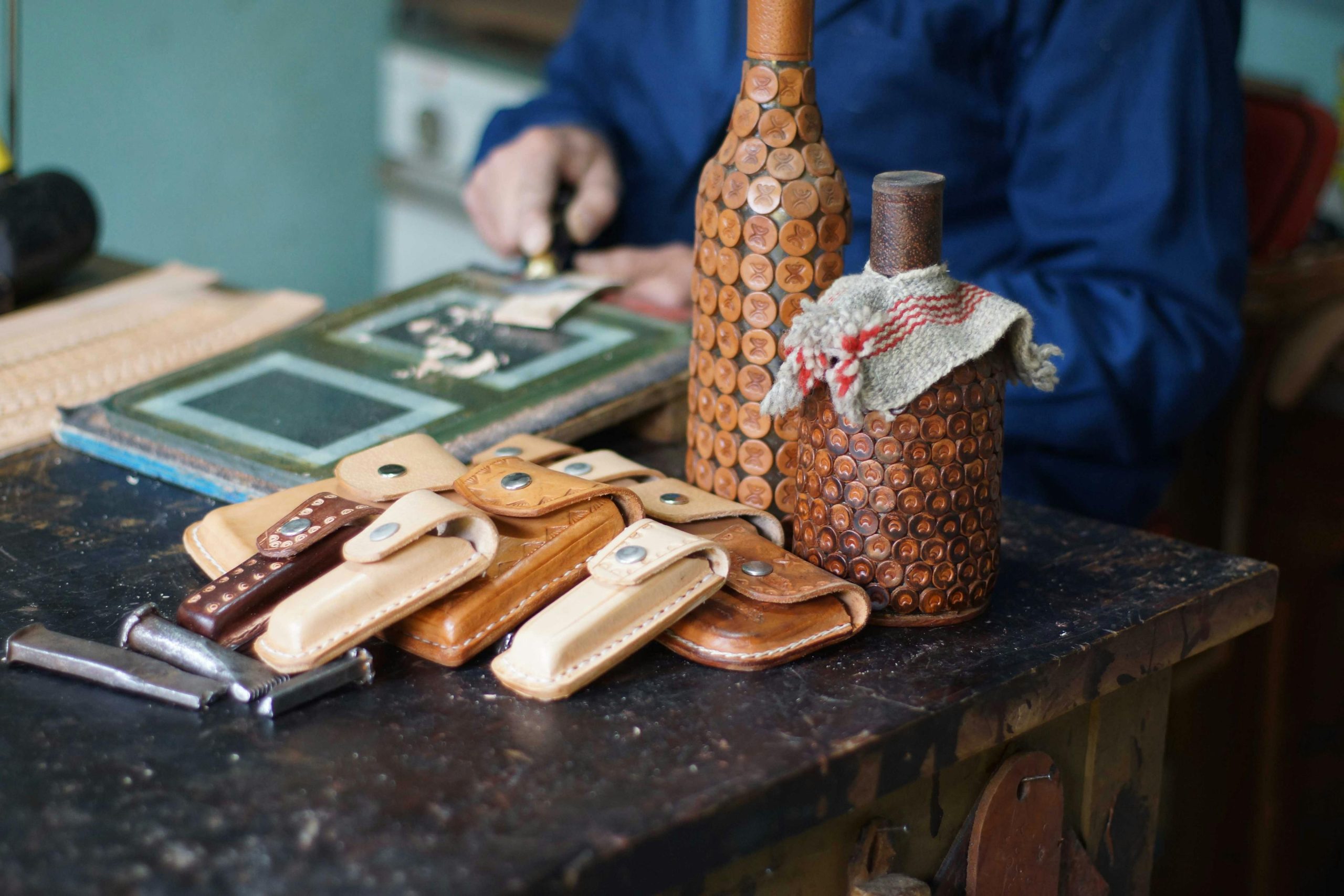
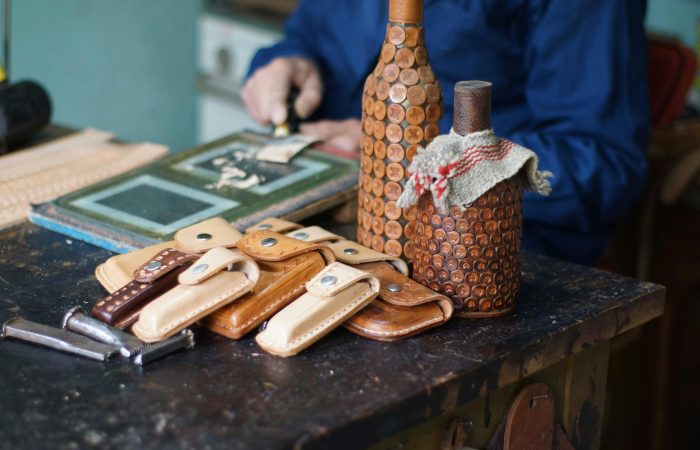
From the temple it is a short walk to Saishang Old Street (*Saishang Lao Jie*) — Hohhot’s 400-year-old trading lane where Ming and Qing tea-and-silk caravans from central China met the dairy and wool traders of the Mongol steppe. The street is now home to several intangible-heritage workshops: felt pyrography, where artisans use a heated iron to burn pattern into compressed felt; Mongolian leather carving, the carved-and-coloured leather work that traces back to the Han dynasty; and traditional knotting. You sit down with one of the masters for a hands-on craft session — choose your design, learn the basics, and make a small finished piece you carry home.
Lunch is a closing Mongolian meal nearby. In the early afternoon, your guide drives you back to Hohhot Baita International Airport for your onward flight.