Login

Sign Up

After creating an account, you'll be able to track your payment status, track the confirmation and you can also rate the tour after you finished the tour.
Username*
Password*
Confirm Password*
First Name*
Last Name*
Birth Date*
Email*
Phone*
Country*
* Creating an account means you're okay with our Terms of Service and Privacy Statement.
Please agree to all the terms and conditions before proceeding to the next step

Already a member?

Login

Jiuzhaigou Β· Alpine Lakes & Tibetan Heritage – 5 Days 4 Nights

0
Price
Price
The tour is not available yet.

Proceed Booking

Save To Wish List

Adding item to wishlist requires an account

81

Why Book With Us?

  • No-hassle best price guarantee
  • Customer care available 24/7
  • Hand-picked Tours & Activities
  • Free Travel Insurance
5 Days
Chengdu
Chengdu
Min Age : 10
Max People : 18 (Contact us for more)

Five days through northwestern Sichuan’s two UNESCO natural-heritage sites, woven together by the living Tibetan culture of the highlands.

The route rides the D-train from Chengdu into the mountains, spends an afternoon learning Tibetan leather craft inside the walled old town of Songpan, walks the turquoise travertine terraces of Huanglong, then gives a full unhurried day to Jiuzhaigou β€” the fairyland of cyan lakes, layered waterfalls, and snow-wrapped peaks. A day at Jiawuhai brings you inside a giant-panda conservation park to work alongside keepers, before the route crosses into Baima Tibetan country for a village welcome, a masked Zhou dance, and a home-style banquet. The final morning moves through a Tibetan village prayer-flag ceremony and a butter-lamp blessing at a highland Gelug monastery before the train back to Chengdu.

Accommodation
4 nights at boutique-style hotels. 1 night in Songpan old town, 3 consecutive nights in Jiuzhaigou.
Airport Transfers
Airport transfers are not included. Meet at Chengdu East Railway Station on the Day 1 morning departure. The tour ends at Chengdu East Railway Station on arrival by train on the evening of Day 5.
Guide & Transport
Bilingual guide and private mountain vehicle for 5 days. Reserved-seat D-train in and out of Chengdu included.
Meals
Daily breakfast, 4 lunches, and a Baima Tibetan village banquet. Highland Sichuan and regional Tibetan cooking.
Signature Experiences
Tibetan leather workshop, panda volunteer day, Baima village Zhou dance and banquet, butter-lamp monastery blessing.
Trip Style
Nature and heritage at highland pace. Two UNESCO sites balanced with living Tibetan culture and a full day with pandas.
Where You'll Stay
4-Star Equivalent
Songpan Old Town Boutique Hotel
1 Night
A boutique stay inside Songpan's Ming-era walled town β€” the Tang-founded gateway to the Tibetan plateau, where four cultures have shared one crossroads for centuries.
4-Star Equivalent
Jiuzhaigou Boutique Hotel
3 Nights
Three consecutive nights below Jiuzhaigou National Park β€” close enough to reach the gate before the crowds, with the Jiawuhai panda park and Baima village a short drive away.

Day 1Chengdu to Songpan Β· Tibetan Leather Workshop

πŸ“β€‰Songpan Ancient Townβœ¨β€‰D-train to SongpanTibetan Leather Workshop+1 more

Your guide meets you at Chengdu East Railway Station in the morning for the D-train to Songpan β€” a quiet, reserved-seat two-hour ride that climbs north from the Sichuan basin into the headwaters of the Min River. The scenery softens as the mountains close in: terraced fields, then pine forests, then the first Tibetan prayer flags strung above the track.

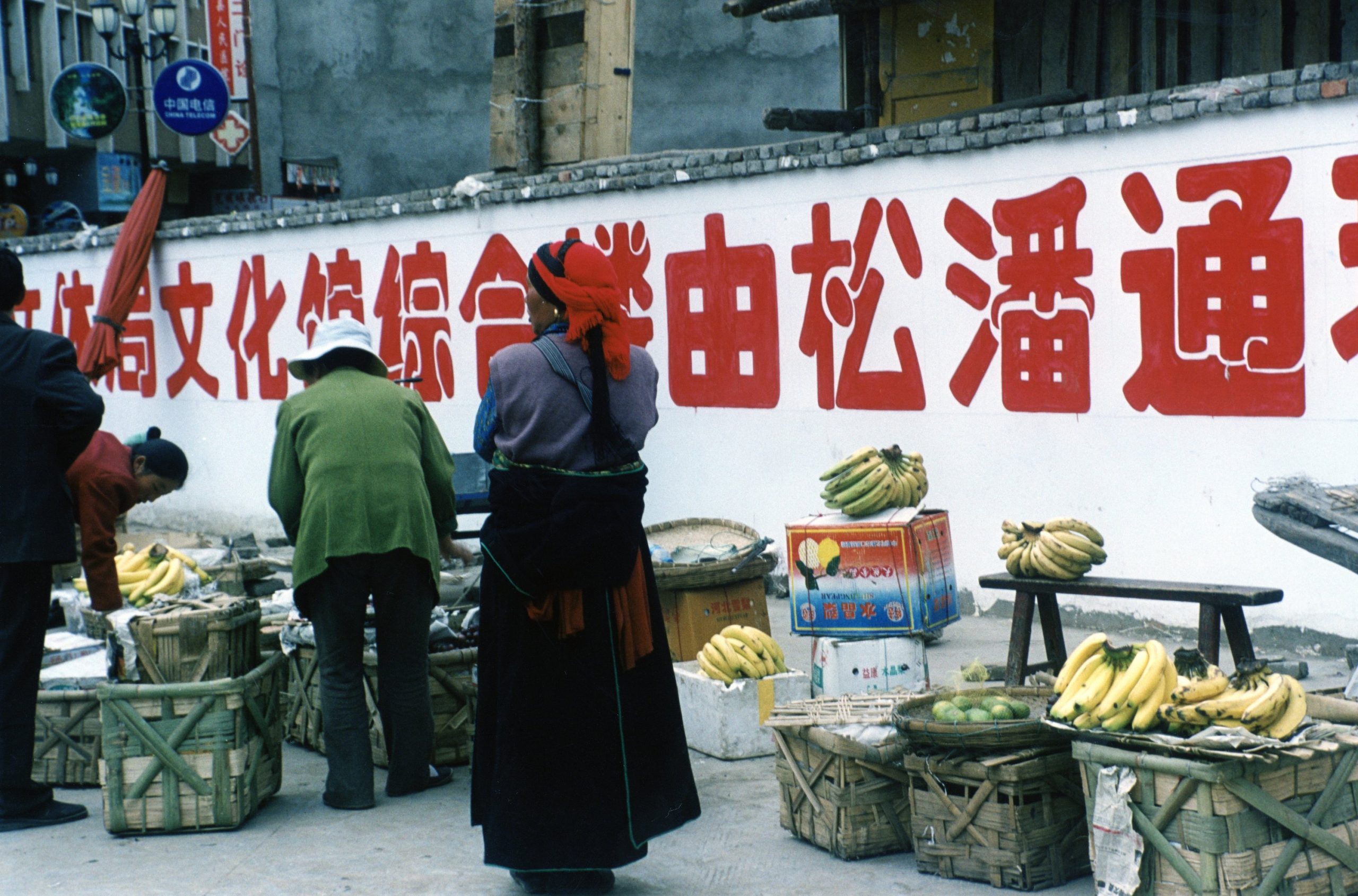
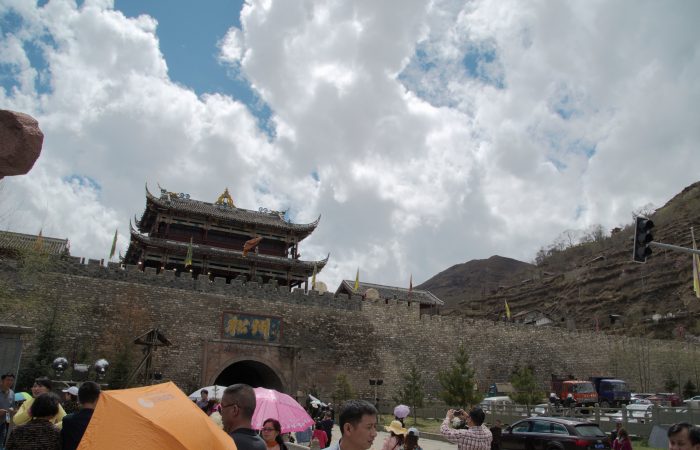
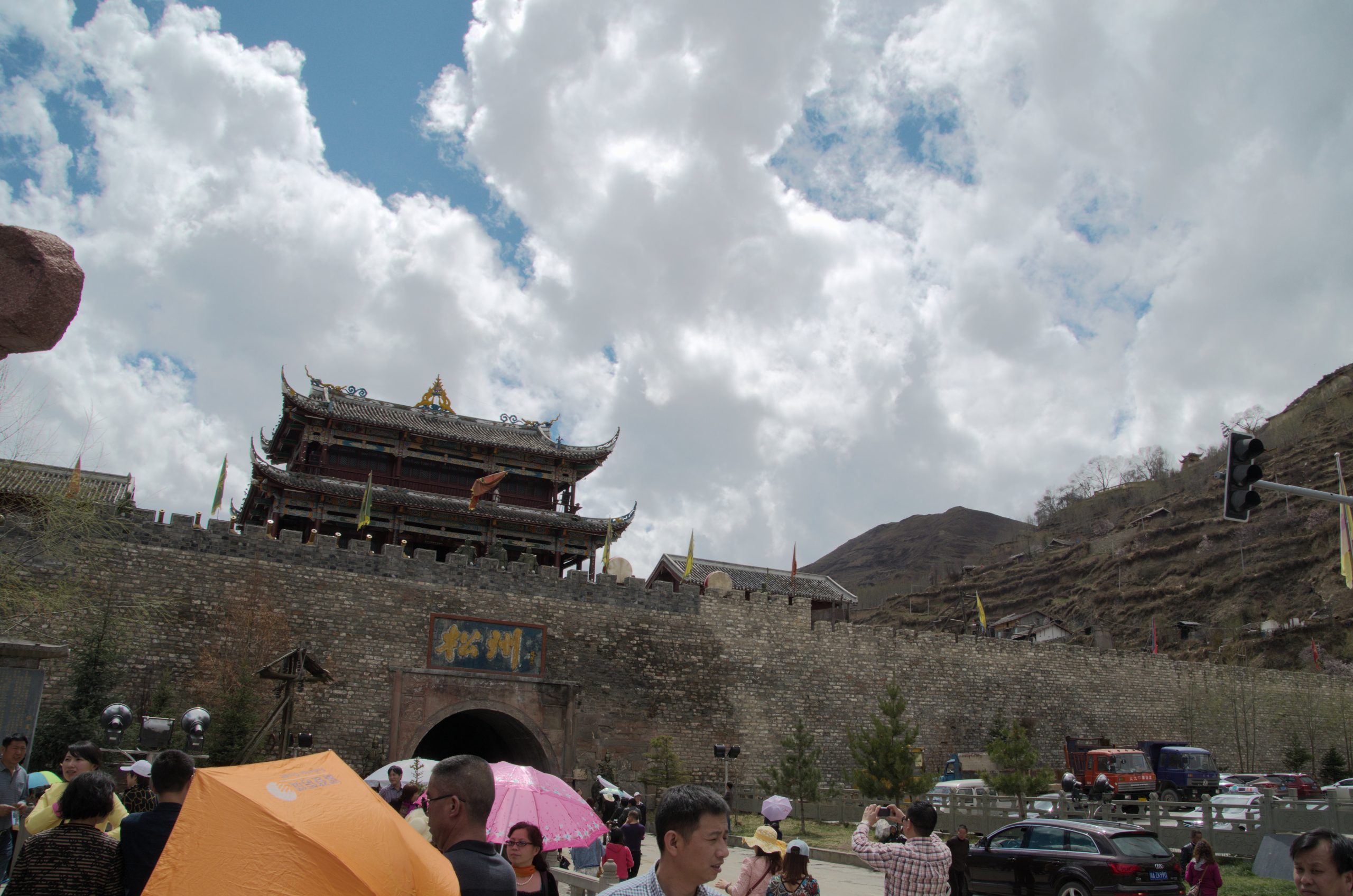
Arrive in Songpan around midday. A short drive brings you to Songpan Ancient Town (*Songpan Gucheng*) β€” a walled Ming-era garrison town rebuilt on Tang foundations, where the old gates still stand and Tibetan, Qiang, Hui, and Han traders have shared the same lanes for a thousand years. Lunch is a regional meal inside the old town walls.

In the afternoon, you visit the last Tibetan Leather Workshop still working inside Songpan’s old town β€” a national intangible-heritage master whose family has made Tibetan saddles, boots, and amulet pouches for three generations. You hear how the trade arrived in Songpan, then try the craft yourself from design through shaping to a finished small leather piece you take home. The session is unhurried, hands-on, and framed by the history of a town that has always been a crossroads.

The evening is yours inside the old town β€” the lantern-lit lanes, the riverside embankment, and a simple local dinner on your own. Overnight in Songpan.

Day 2Huanglong Travertine Pools Β· Transfer to Jiuzhaigou

πŸ“β€‰HuanglongFive-Colour Pool+7 more

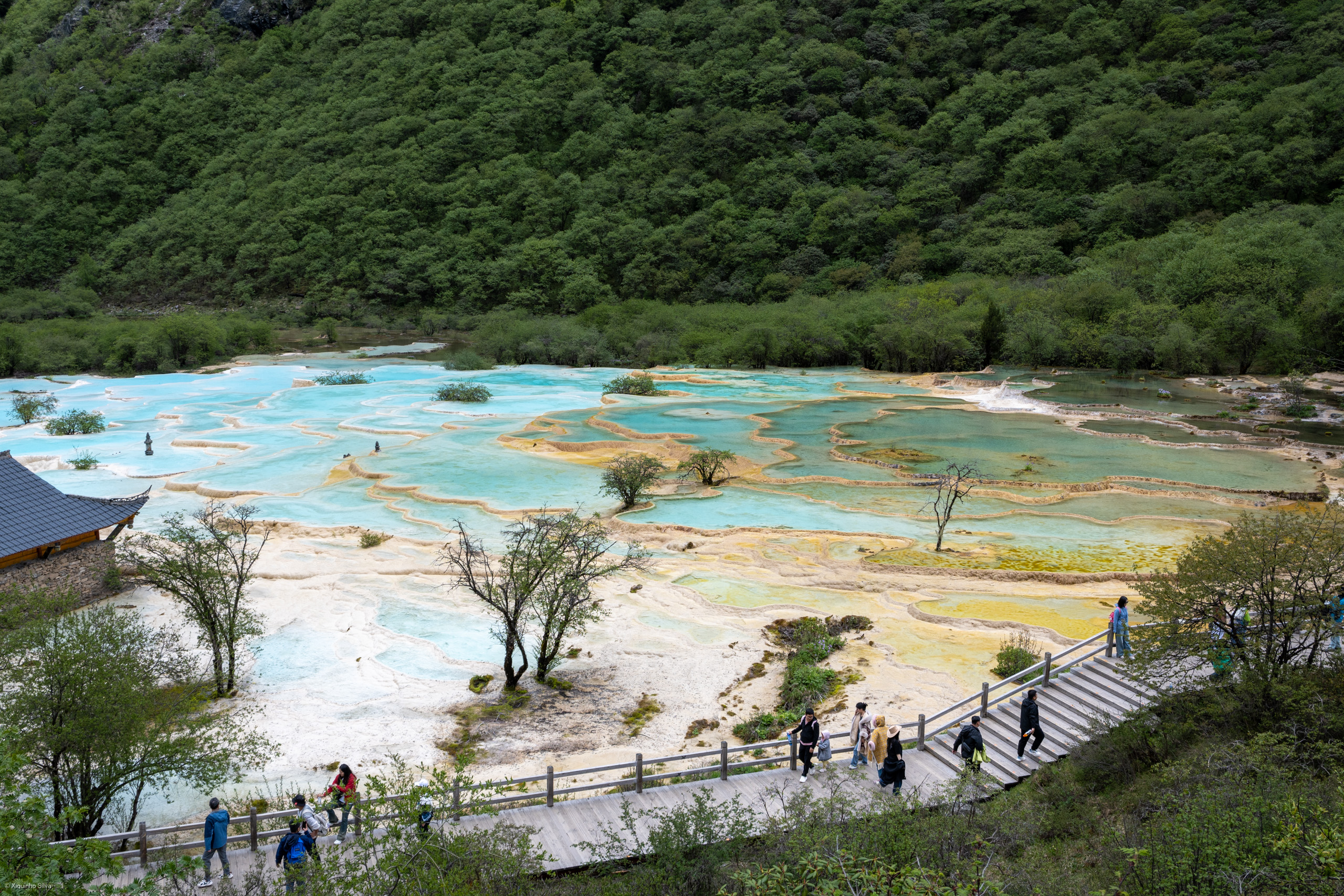
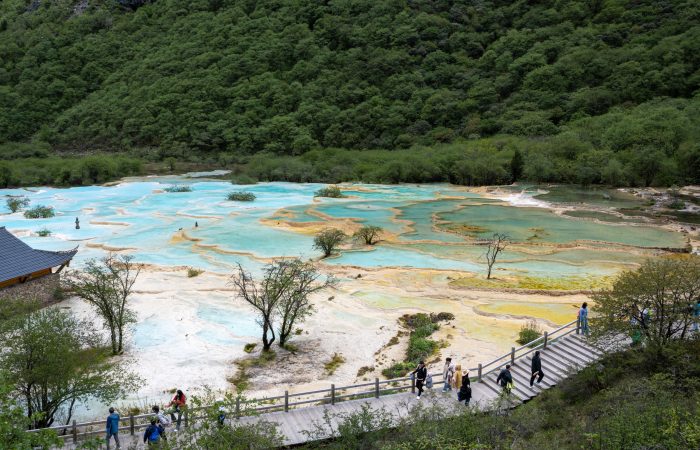
After an early breakfast, the day’s drive runs east into Huanglong β€” the UNESCO-listed travertine valley where snowmelt from the Minshan range has built three thousand calcite pools stepped down the mountain like turquoise terraces. A cable car lifts you to the upper section; from there you walk the boardwalk down through the most photographed part of the park.

The core sequence is layered like a slow reveal: Welcoming Pond, Bonsai Pond, Mirror Pool, Azalea Pool, Competing Splendor Pond, and finally the Five-Colour Pool (*Wucai Chi*) β€” 693 pools shimmering turquoise, gold, and emerald where mineral-heavy meltwater catches the light. The walk is gentle but the altitude is real β€” the boardwalk crests 3,569 metres, higher than most travelers ever go in China, so you move at a steady pace and let the guide set the rhythm.

Lunch is at a local restaurant near the park exit. In the afternoon the route crosses the pass to Jiuzhaigou β€” roughly a two-hour drive through pine forest and Tibetan villages. Arrive at the hotel with enough daylight to check in, rest, and let your body adjust before the big day tomorrow.

Dinner is on your own in the hotel area. Overnight in Jiuzhaigou.

Day 3Jiuzhaigou Full Day Β· Fairyland Valleys

πŸ“β€‰JiuzhaigouFive Flower LakeRize Valley+8 more

Today is given entirely to Jiuzhaigou β€” the UNESCO World Natural Heritage valley that Tibetan locals call Dzitsa Degu, “nine stockaded villages,” and the landscape that Chinese visitors call the water-scenery capital of the world. You enter at the south gate early, before the crowds build at the headline viewpoints.

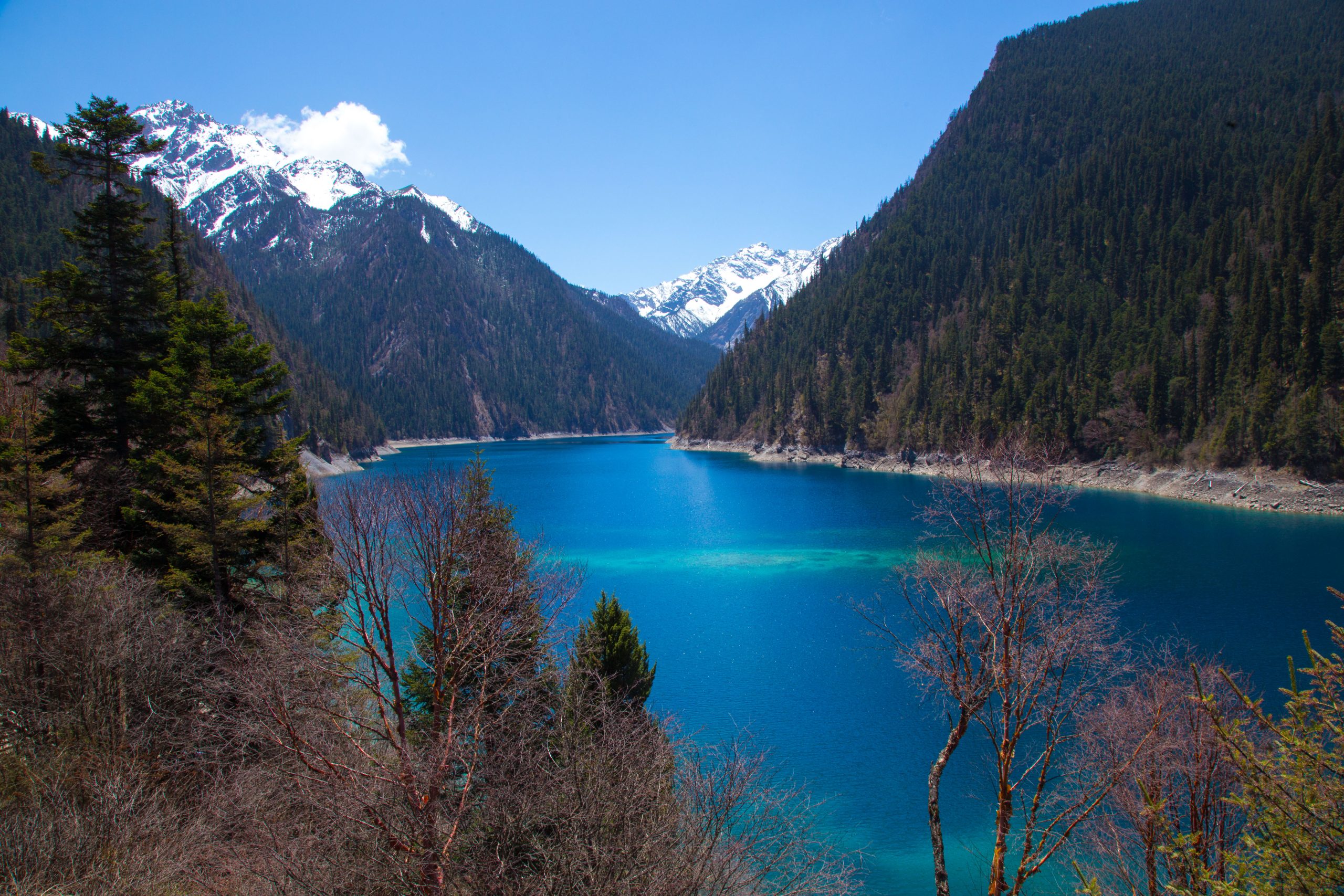
The park has a simple shape: a Y-shaped valley where Rize Valley (*Rize Gou*) runs south toward the snow peaks and Zechawa Valley (*Zechawa Gou*) climbs east toward Long Lake at 3,150 metres. The scenic shuttle does the heavy lifting between stops; you walk the boardwalks at each viewpoint at your own pace.

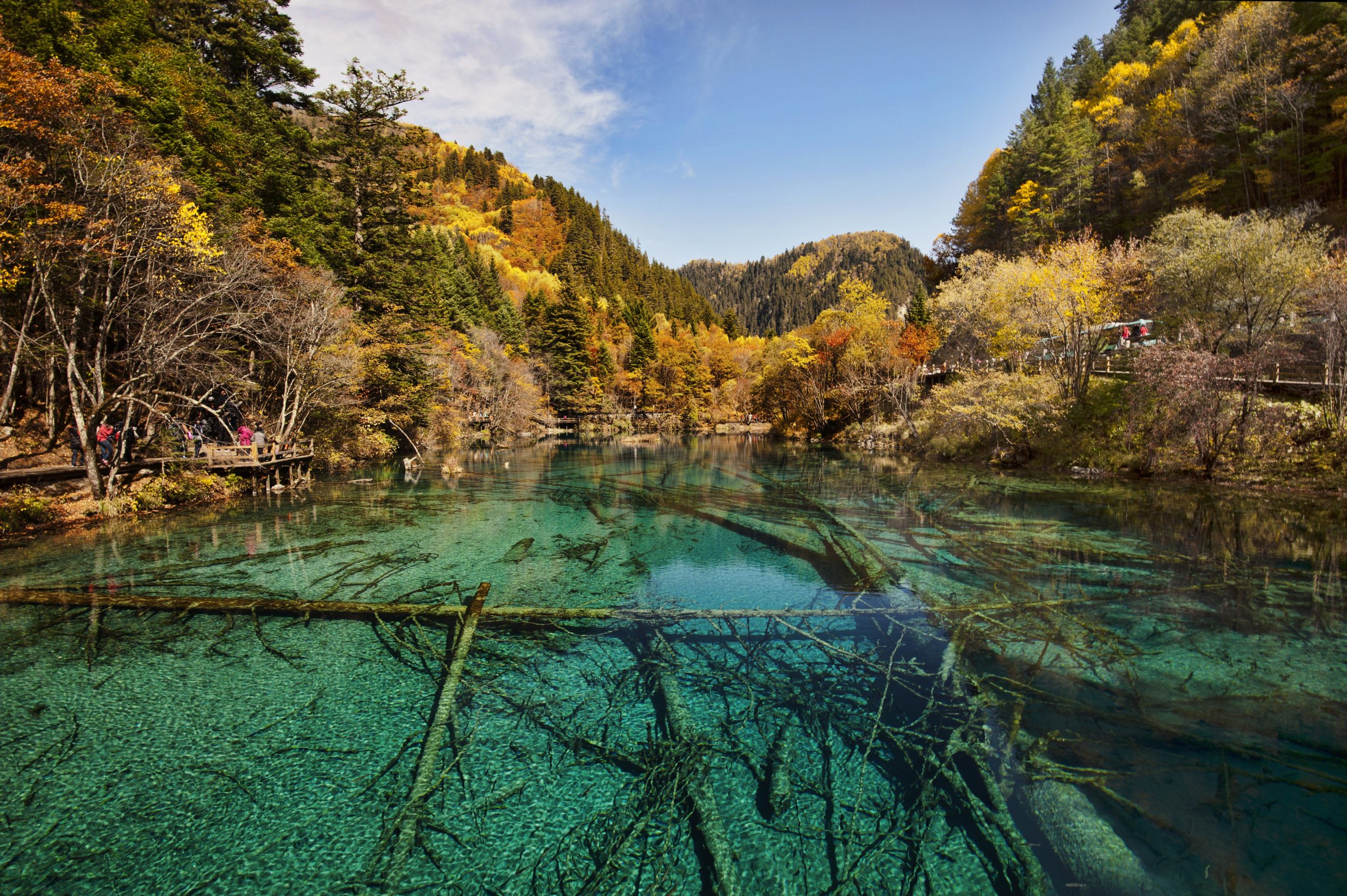
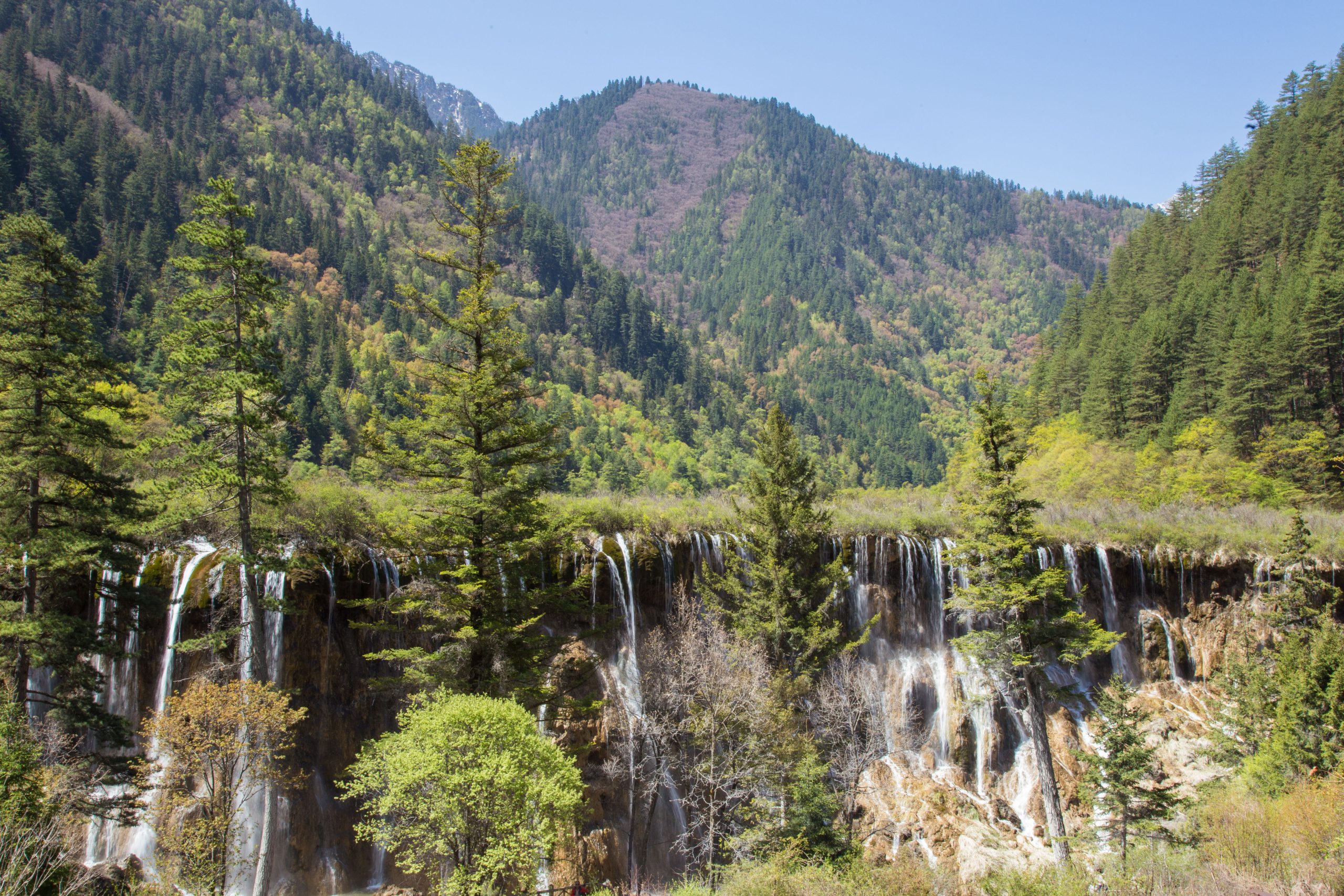
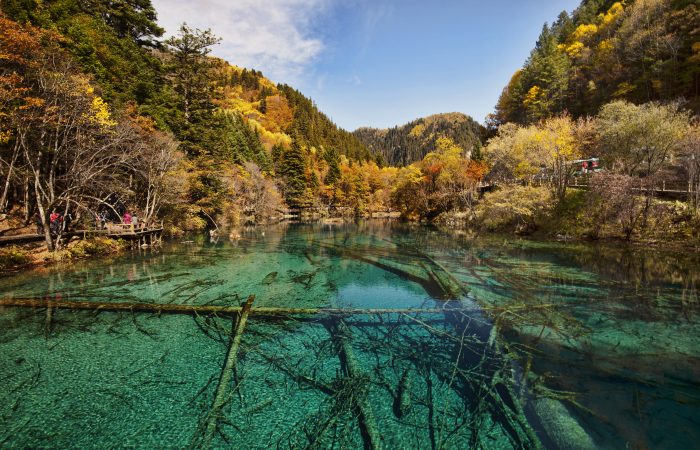
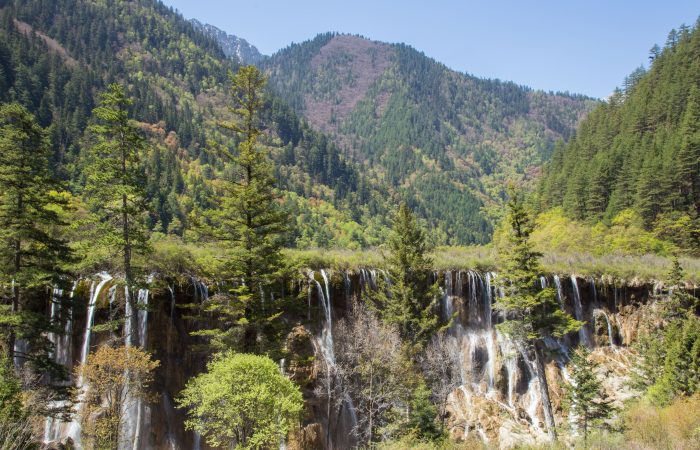
In Rize Valley, your guide routes you through the sequence that gives Jiuzhaigou its fairyland reputation: Nuorilang Waterfall, where a wide sheet of water tumbles through a forested step; Pearl Shoal Falls, layered and filmed for countless movie scenes; Five Flower Lake (*Wuhua Hai*) at 2,472 metres, where sunken tree trunks trace a crisscross pattern under cyan water; and quieter pools like Peacock Lake and the Panda Lake, whose name is older than any scripted panda content.

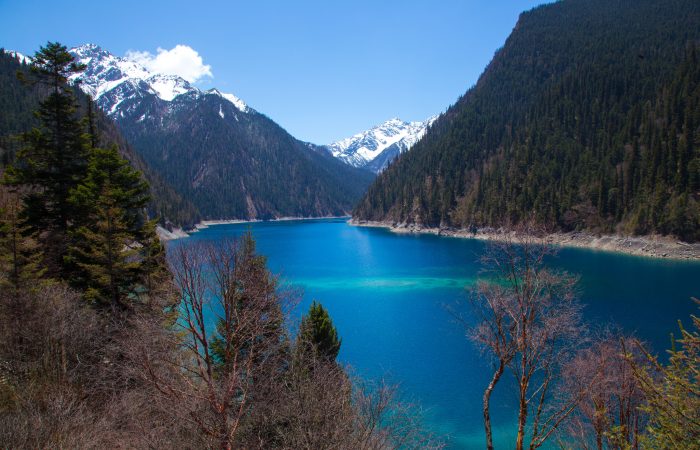
Zechawa Valley climbs higher: Seasonal Lakes, the long fingers of Five-Colour Pond, and Long Lake β€” Jiuzhaigou’s deepest and coldest, held in an amphitheatre of peaks. The walk totals six to eight hours with shuttle support, and the altitude is noticeable; the guide paces the day around your fitness.

Lunch is inside the park at a simple buffet-style restaurant. Return to the hotel in the late afternoon. Dinner is on your own β€” the hotel area has small local restaurants the guide can recommend. Overnight in Jiuzhaigou.

Day 4Jiawuhai Panda Day Β· Baima Tibetan Village

πŸ“β€‰Jiawuhai Panda ParkBaima Tibetan Villageβœ¨β€‰Zhou Dance+1 more

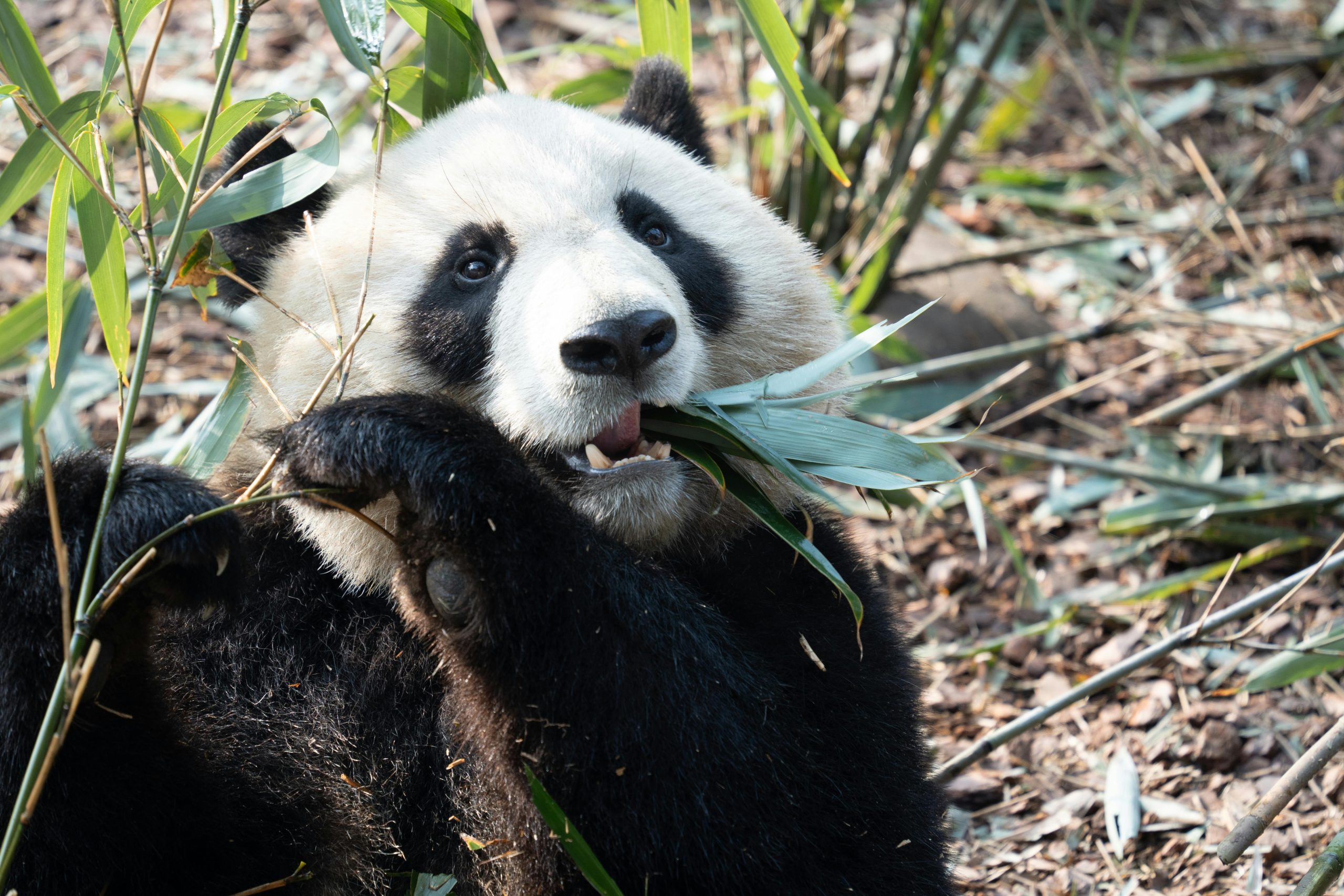
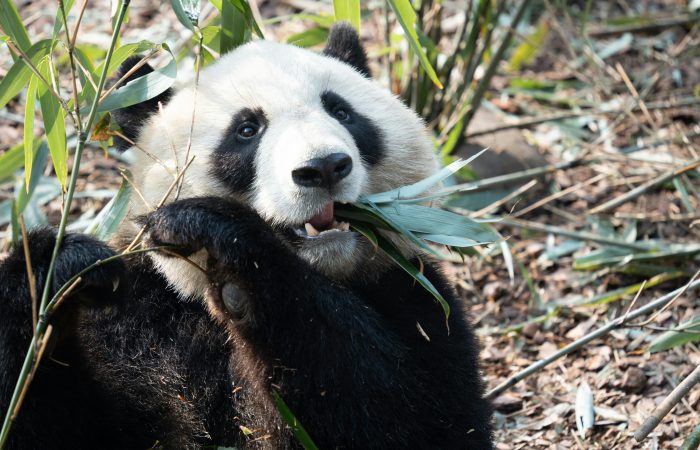
A slower breakfast today β€” you leave the hotel around ten. The drive takes you west to the Jiawuhai Panda Park (*Jiawu Hai*), a mountain conservation centre opened in 2019 inside the wild panda range. Four rescued pandas live here under the care of the China Conservation and Research Centre, and the park runs a small volunteer programme that lets visitors work alongside the keepers.

Your panda volunteer session covers what the keepers actually do each morning: chopping bamboo and preparing the supplementary feed, entering the feeding corridor to place the food, cleaning the outer enclosure under supervision, and observing the pandas at close range while a keeper explains their behaviour, diet, and history of rescue. It’s unglamorous work and exactly that is what makes it feel real β€” no selfies with sedated animals, just quiet time inside a working conservation centre. Lunch is at the park.

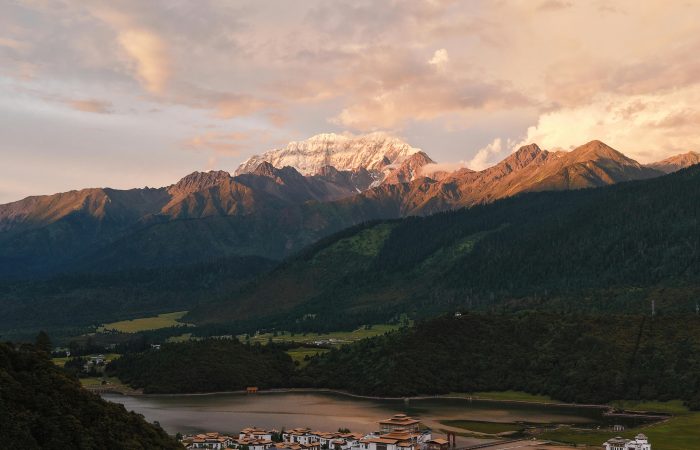
In the afternoon, the drive continues to a Baima Tibetan Village β€” a small community of the Baima people, one of northwestern Sichuan’s distinct highland groups with their own language and a twelve-mask ceremony recognised by UNESCO. Arrival is ceremonial: villagers meet you with the welcome ritual that begins every major festival. In the courtyard you watch a Zhou Dance β€” the twelve-mask performance where dancers in carved wooden animal masks β€” black bear, panda, tiger, phoenix, unicorn β€” drive off the bad spirits of the old year.

The afternoon keeps moving: you learn to pound potato mochi (*tudou ciba*) with village families, and a home-style village banquet brings everyone to one table. Before you leave, an elder in the village opens his workshop β€” he is the mask carver, and the carving of a Zhou-dance mask is itself sacred work. You watch, ask questions, and see the masks that will hang above the village doors for the rest of the year.

Return to Jiuzhaigou in the evening. Overnight in Jiuzhaigou.

Day 5Zhongcha Village Β· Monastery Blessing Β· Return to Chengdu

πŸ“β€‰Zhongcha VillageGerdi Monasteryβœ¨β€‰Prayer-Flag Ritual+2 more

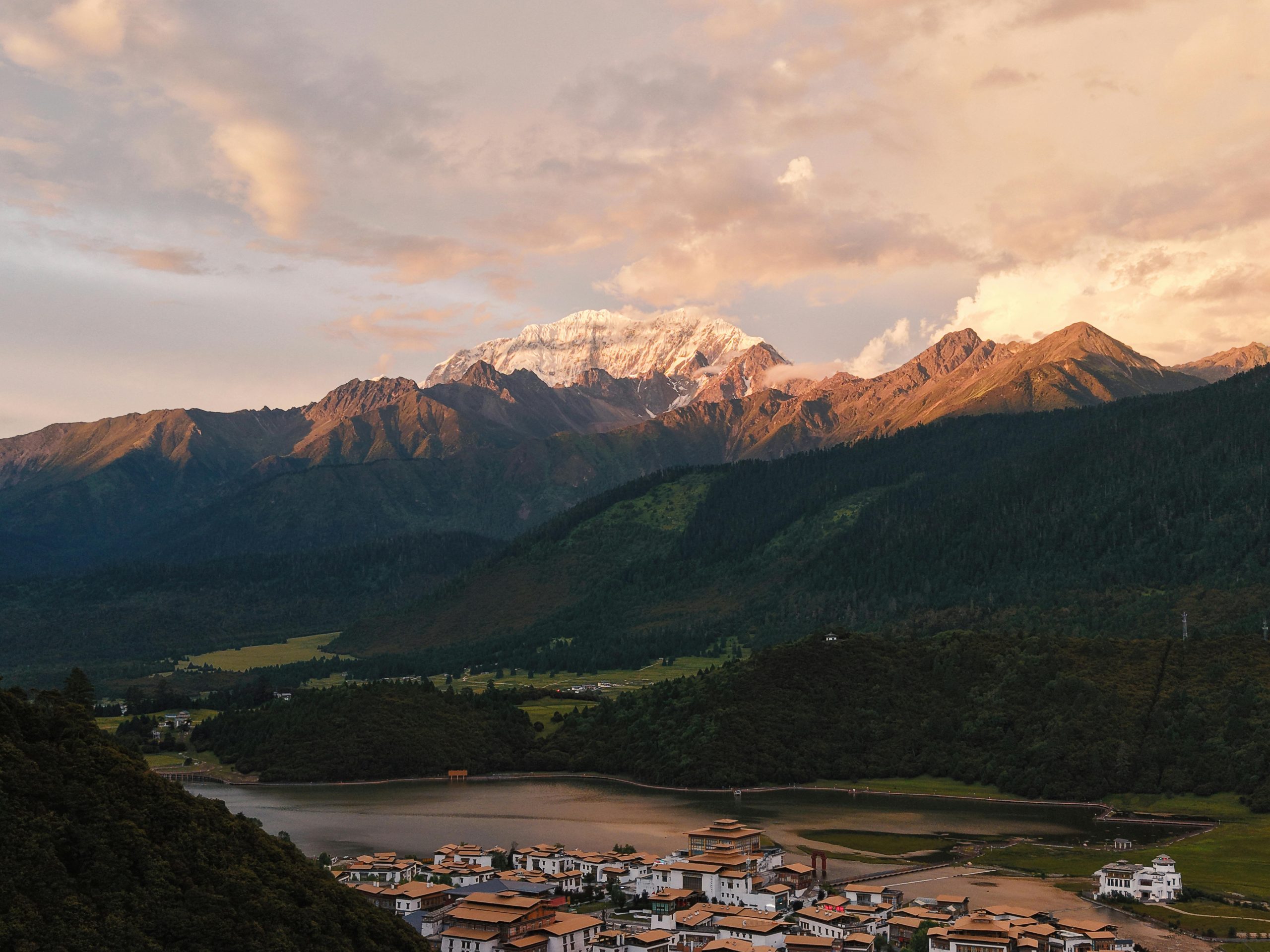
The morning begins quietly with a visit to Zhongcha Village (*Zhongcha Cun*) β€” a Tibetan settlement in the forested valleys near Jiuzhaigou where prayer flags are strung between the trees and the households hold to old Amdo Tibetan ways. You walk a forest path with a local villager, take part in the Prayer-Flag Ritual β€” hanging flags and scattering *lungta* (wind-horse) paper for the traditional blessing β€” and step into a Tibetan home for yak-butter tea and a wild-mushroom hotpot prepared the Amdo way.

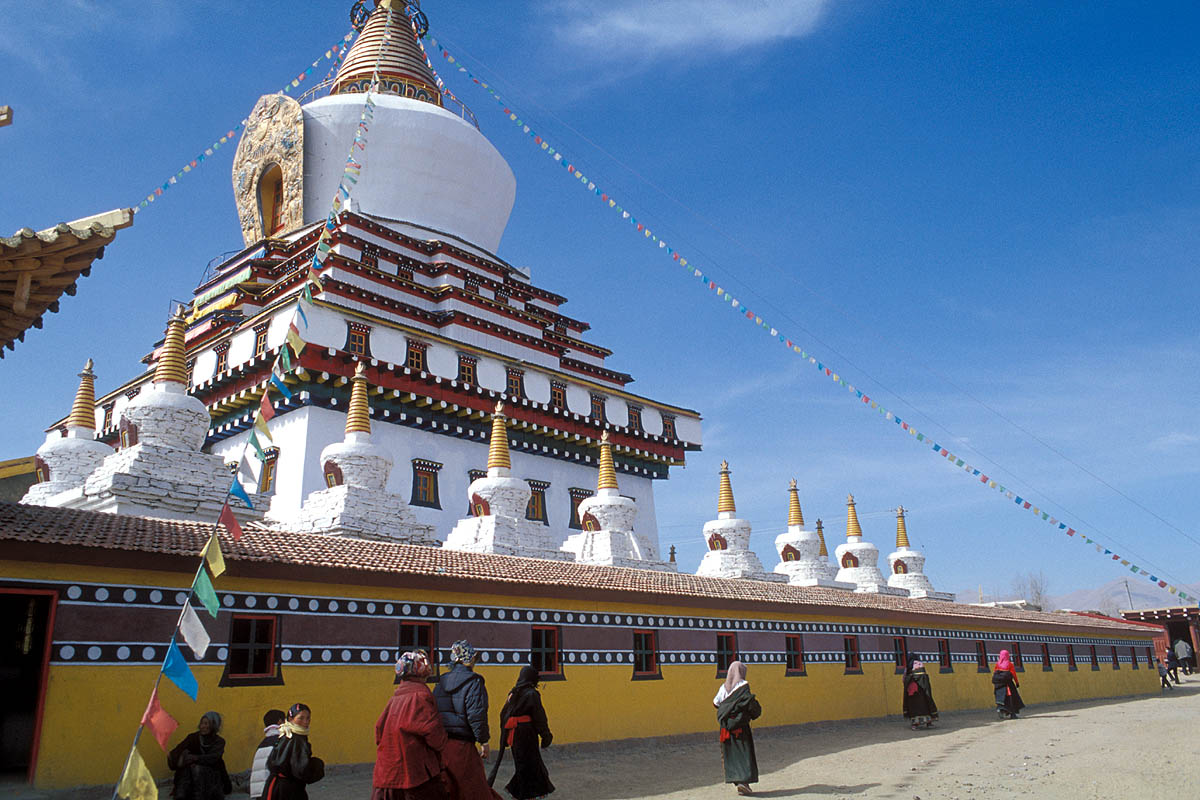
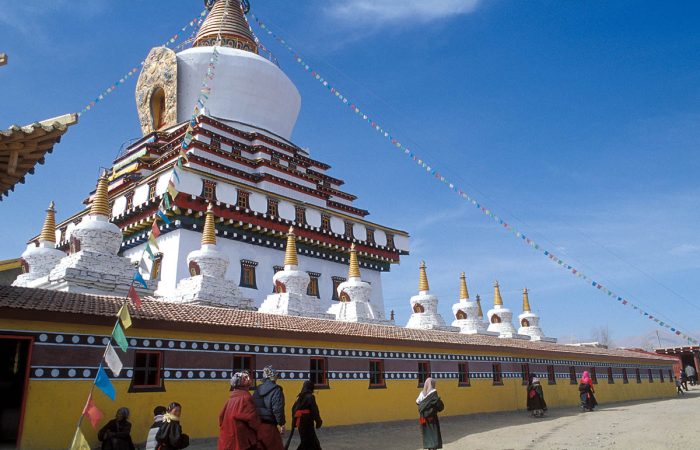
From there the route continues to Gerdi Monastery (*Gerdi Si*) β€” the Gelug-sect Tibetan Buddhist monastery long known by the honorific “Little Western Heaven” for its standing in Amdo religious life. Your guide walks you through the main prayer hall, and a resident lama leads a butter-lamp blessing β€” the simple act of lighting a yak-butter lamp and offering a prayer for the wellbeing of family and friends. It is not a performance; travelers and local pilgrims share the same space, and the afternoon light through the hall’s window smells of juniper and butter.

Lunch is a regional Tibetan meal on the way out. In the afternoon, the drive continues to Huanglong-Jiuzhaigou Railway Station, where the D-train returns you to Chengdu East in the evening. Your guide assists with departure at the Chengdu station; from there you make your own way onward.
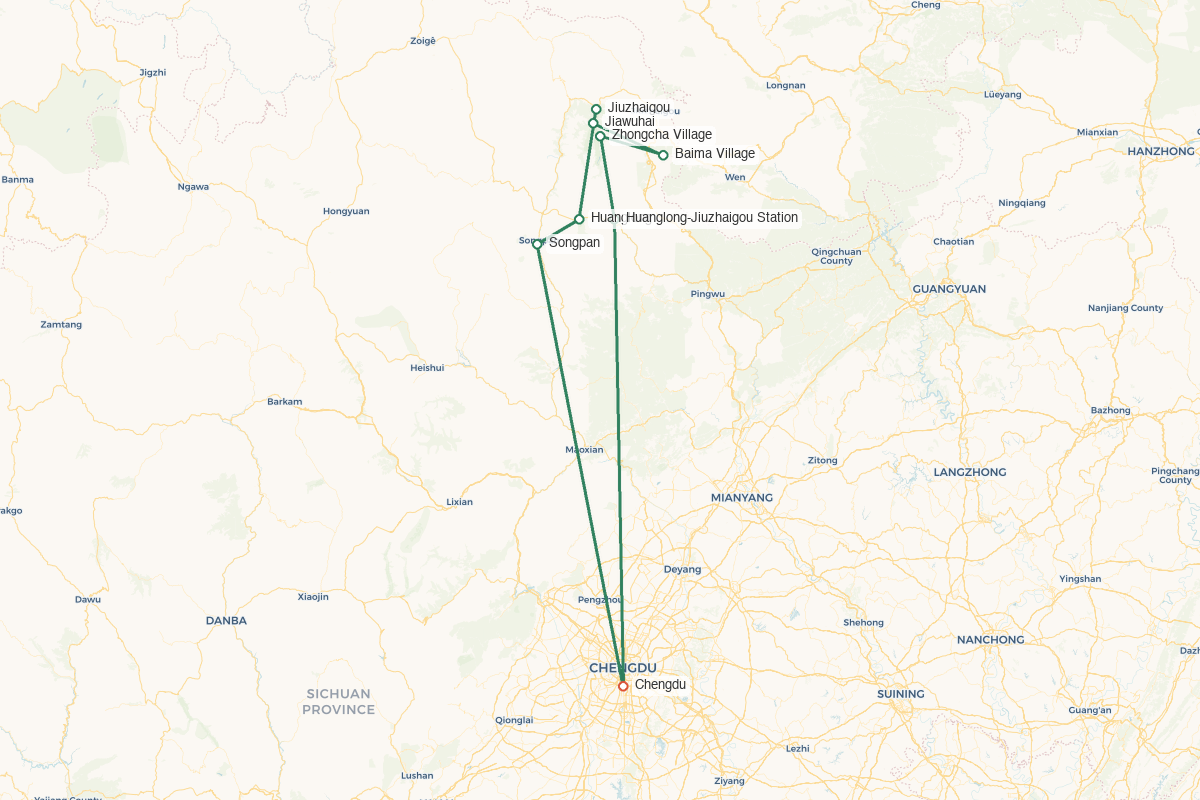
Map
Jiuzhaigou Β· Alpine Lakes & Tibetan Heritage – 5 Days 4 Nights route map
Before Booking

βœ“ What's Included

Transport β€” Reserved-seat D-train between Chengdu East and the highlands on Days 1 and 5, plus a private vehicle with dedicated driver for all ground transport in the mountains.

Guide β€” Professional bilingual guide for the full 5-day journey, with cultural knowledge of Songpan, Jiuzhaigou, and Baima Tibetan heritage.

Accommodation β€” 4 nights at boutique-style hotels: 1 night in Songpan old town, 3 consecutive nights in the Jiuzhaigou valley.

Meals β€” Daily breakfast on Days 2–5, plus 4 included lunches and 1 Baima Tibetan village banquet dinner on Day 4.

Entrance Fees β€” All scheduled sites including Huanglong Scenic Area, Jiuzhaigou National Park (with scenic shuttle), Jiawuhai Giant Panda Conservation Park, and Gerdi Monastery.

Experiences β€” Tibetan leather craft workshop with a Songpan master, full-day panda volunteer session at Jiawuhai, Baima Tibetan village welcome with masked Zhou dance and home-style banquet, Zhongcha prayer-flag ritual, butter-lamp blessing at Gerdi Monastery.

Insurance β€” Travel accident insurance included for the full journey.

Pricing Promise β€” Everything in the itinerary is included in the tour price. Optional packages and room choices, if any, are shown clearly before payment. No hidden on-trip charges.

οΌ‹ Booking Options

Everything in the itinerary is included in the tour price. No paid booking options apply to this route.

πŸ“‹ Prepare for Travel

✈️ Please book your own international flights and any flights/trains to Chengdu before Day 1.

πŸ›‘ Travel accident insurance is included for the tour itself. We recommend supplemental medical and evacuation coverage β€” the Huanglong and Jiuzhaigou days are above 3,000 metres.

πŸ“± Please arrange your own mobile data plan before departure.

πŸ›‚ Check China visa requirements for your nationality before booking.

πŸ’Š Bring any personal prescriptions. Consider altitude-sickness medication (acetazolamide/Diamox) β€” consult your doctor before departure.

🍽 Please inform us of any dietary needs, allergies, or restrictions when booking. Highland Sichuan cooking is heartier and less spicy than lowland Sichuan; a Baima Tibetan banquet on Day 4 features regional dishes.

πŸ’³ Most scheduled venues accept international credit cards. For smaller shops in Songpan and the Tibetan villages, please have local cash or a local mobile payment app ready.

πŸ” Huanglong reaches 3,569 metres at the top of the travertine terraces and Jiuzhaigou crosses 3,100 metres at the far end of the valley. Walking is gentle on boardwalks and shuttle-assisted, but altitude affects everyone differently. Good general fitness recommended; the tour is not suitable for travelers with serious cardiac or respiratory conditions.

🧣 Northwestern Sichuan highlands are cool year-round and cold at altitude even in summer. Bring warm layers, a waterproof shell, sun protection (UV is intense above 3,000m), and comfortable shoes with grip for wet boardwalks.

? FAQ

Where does the tour start and end?
Starts and ends in Chengdu. Airport transfers are not included. Meet at Chengdu East Railway Station on the Day 1 morning departure. The tour ends at Chengdu East Railway Station on arrival by train on the evening of Day 5.

How do we get around during the tour?
A reserved-seat D-train (about 2 hours) carries you between Chengdu East and the highlands on Days 1 and 5. In the mountains, a private vehicle with a dedicated driver handles all ground transport, with a bilingual guide throughout.

How serious is the altitude on this tour?
Huanglong tops out around 3,569 metres at the upper pools, and Jiuzhaigou’s valleys cross 3,100 metres at the far end. Walking is gentle β€” boardwalks and shuttle buses do most of the work β€” but altitude affects everyone differently. The tour is not recommended for travelers with serious cardiac or respiratory conditions. Consult your doctor about altitude medication (acetazolamide/Diamox) before departure.

What does the panda volunteer day actually involve?
You spend the morning and early afternoon inside the Jiawuhai Giant Panda Conservation Park, working alongside the keepers. Activities typically include food preparation (bamboo and supplementary feed), enclosure cleaning under supervision, and close observation of the rescued pandas. The keepers explain panda behaviour, conservation work, and the park’s rehabilitation programme as you go.

What happens at the Baima Tibetan village?
The Baima are a distinct highland community of about 20,000 people β€” linguistically and culturally different from mainstream Tibetans, and recognised by UNESCO for their masked Zhou dance. Your afternoon there includes a ceremonial welcome, a Zhou dance performance, a hands-on potato-mochi session with village families, a home-style banquet, and time with an elder who carves the wooden masks used in the dance.

How physically demanding are Huanglong and Jiuzhaigou?
Both are gentle on paper β€” elevated boardwalks and scenic shuttles do most of the work. The altitude is the real variable. At Huanglong, the walk from the base to the upper Five-Colour Pool climbs about 800 vertical metres over 4–5 kilometres; a cable car shortens the ascent and a shuttle returns you. Jiuzhaigou’s shuttle system reaches every major lake and waterfall, so you choose how much to walk.

What is the cancellation policy?
Our cancellation and refund policy is tiered based on how far in advance you cancel. Full details at Terms & Conditions.

Should I book pre/post-tour accommodation?
Day 1 starts at Chengdu East Railway Station in the morning, so you need to be in Chengdu the night before. Day 5 returns to Chengdu by evening train. We recommend at least one hotel night in Chengdu on each end; we can recommend options.

Can I fly a drone during the tour?
China requires all drone operators (including foreign visitors) to register with the CAAC before flying. Jiuzhaigou, Huanglong, and the Jiawuhai panda park are all no-fly zones for visitor drones. Inform your guide in advance if you plan to bring a drone.

Is this tour suitable for children?
Minimum age is 10 on this tour due to sustained time above 3,000 metres on Days 2 and 3. Children should be able to handle long drives, cool mountain temperatures, and potential altitude discomfort. Consult your paediatrician before booking.

Travel Notes
Local Names
Songpan Guchengsong-PAHN goo-CHUNG
Songpan Ancient Town β€” Tang-founded, Ming-rebuilt gateway between Sichuan and the Tibetan plateau
Huanglonghwahng-LOHNG
The Yellow Dragon valley β€” 3,000 calcite pools stepped down the mountain, topped by the Five-Colour Pool
Jiuzhaigoujee-oh-JAI-go
The fairyland valley β€” cyan lakes, layered waterfalls, and snow peaks in nine stockaded Tibetan villages
Wuhua Haiwoo-HWAH hai
Five Flower Lake β€” sunken tree trunks crisscrossing beneath cyan water, Jiuzhaigou's most photographed view
Jiawu Haijee-AH-woo hai
Jiawuhai Panda Park β€” a conservation centre for rescued wild pandas, opened in 2019 inside the panda range
Baima Zangbai-MAH zahng
The Baima Tibetan people β€” 20,000 highland cousins with their own language and the UNESCO-listed Zhou dance
Zhou Wujoh WOO
The twelve-mask Zhou dance β€” carved animal masks worn to drive off evil spirits, recognised by UNESCO in 2006
Gerdi SiGUR-dee suh
Gerdi Monastery β€” the Amdo Gelug temple long known as Little Western Heaven in Tibetan pilgrim tradition

Proceed Booking