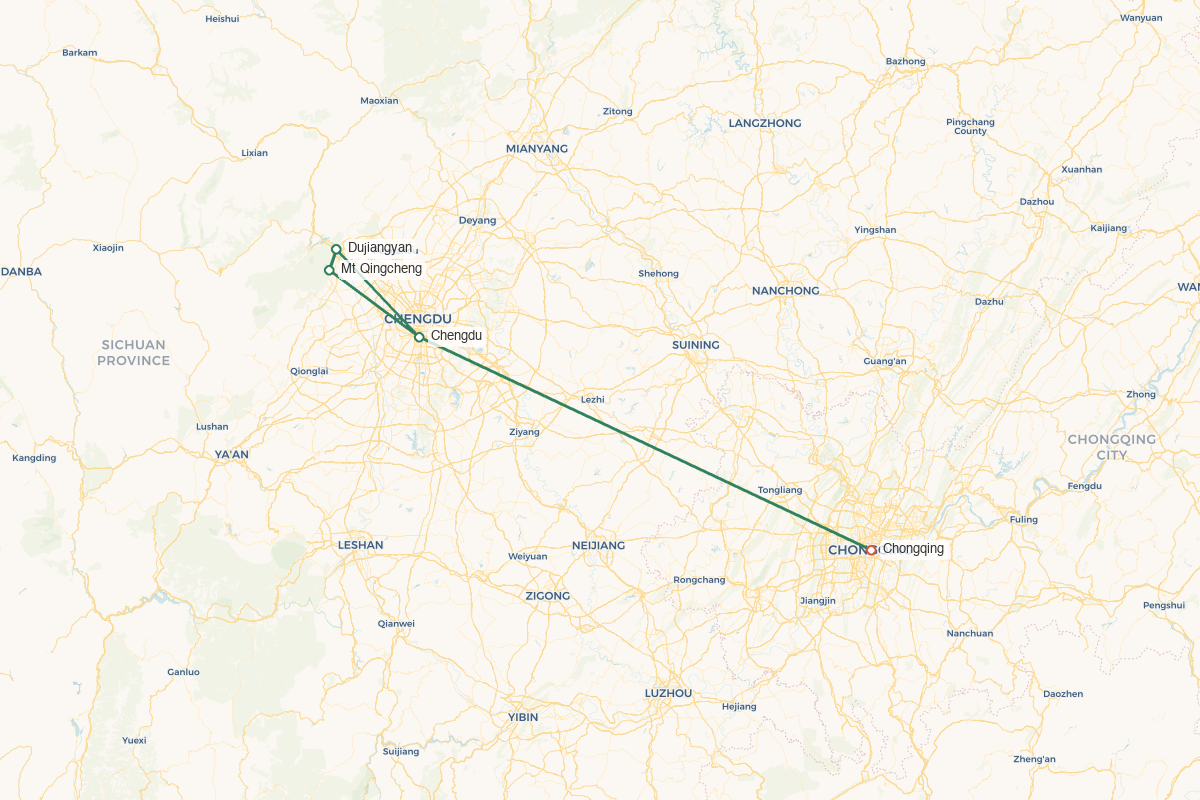
Twelve days from China’s vertical neon city to its slow tea-garden capital, connected by a two-hour high-speed rail ride.
Chongqing’s cliff-face stilthouses and monorail-through-a-building, then 4,000-year-old bronze masks at Sanxingdui, pandas at dawn, covered-bowl tea at a Daoist temple, a forested sacred mountain wrapped in mist, and a Tibetan craft afternoon. The pace is built around the contrast — bathhouse afternoons in Chongqing, hot spring nights near Mount Qingcheng, and free evenings to find the cities on your own terms.
Your driver meets you at Chongqing Jiangbei International Airport or Chongqing West Railway Station with an English name sign — from here, everything is handled. A private business vehicle takes you to your downtown hotel for check-in and time to recover from the flight.
Later in the afternoon, your guide leads a relaxed welcome session: an overview of the 12-day route, the cultural rhythm of Sichuan and Chongqing, and a primer on what to expect from the food, the pace, and the cities themselves. The day closes with an included welcome dinner — a light, gentle meal designed around jet-lag-friendly dishes rather than the fiery Sichuan flavours waiting later in the trip. The rest of the evening is yours to settle in.
Many travelers describe Chongqing as the first Chinese city that truly catches them off guard. After breakfast, the day opens at the Crown Escalator (*Huangguan Da Futi*) at Lianglukou — a 112-metre hillside escalator that climbs 52.7 metres in about two and a half minutes, connecting Chongqing’s upper and lower city. It is the most direct introduction to the mountain-city’s vertical transport system and the stacked geography that makes Chongqing physically unlike anywhere else in China.
From there, the group walks to Jiefangbei Square (*Jiefangbei*) — the city’s historic heart, where a 1940s Liberation Monument now stands ringed by glass towers. Your guide traces Chongqing’s wartime past and layered urban growth.
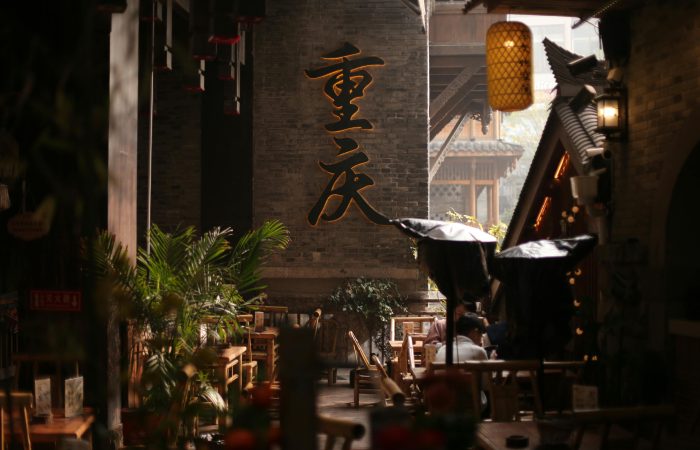
Lunch is a featured Chongqing meal nearby. The afternoon shifts to Shancheng Lane (*Shancheng Xiang*) — a restored hillside walkway where the old mountain-city life still survives. Stilthouse architecture clings to the slope, and a hands-on mortise-tenon joinery demo lets you handle and assemble the interlocking wooden joints that hold these buildings together without a single nail — a living intangible heritage craft.
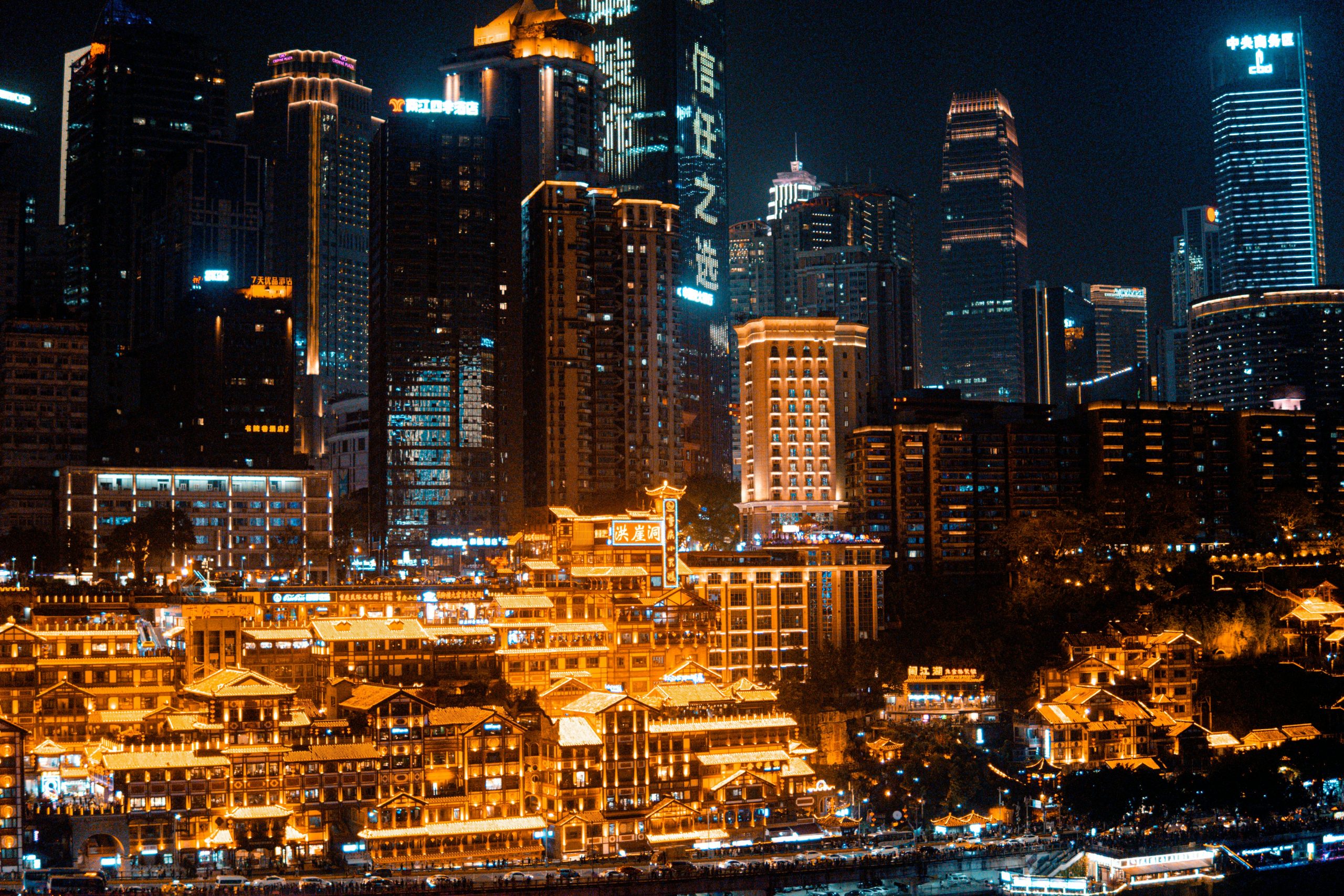
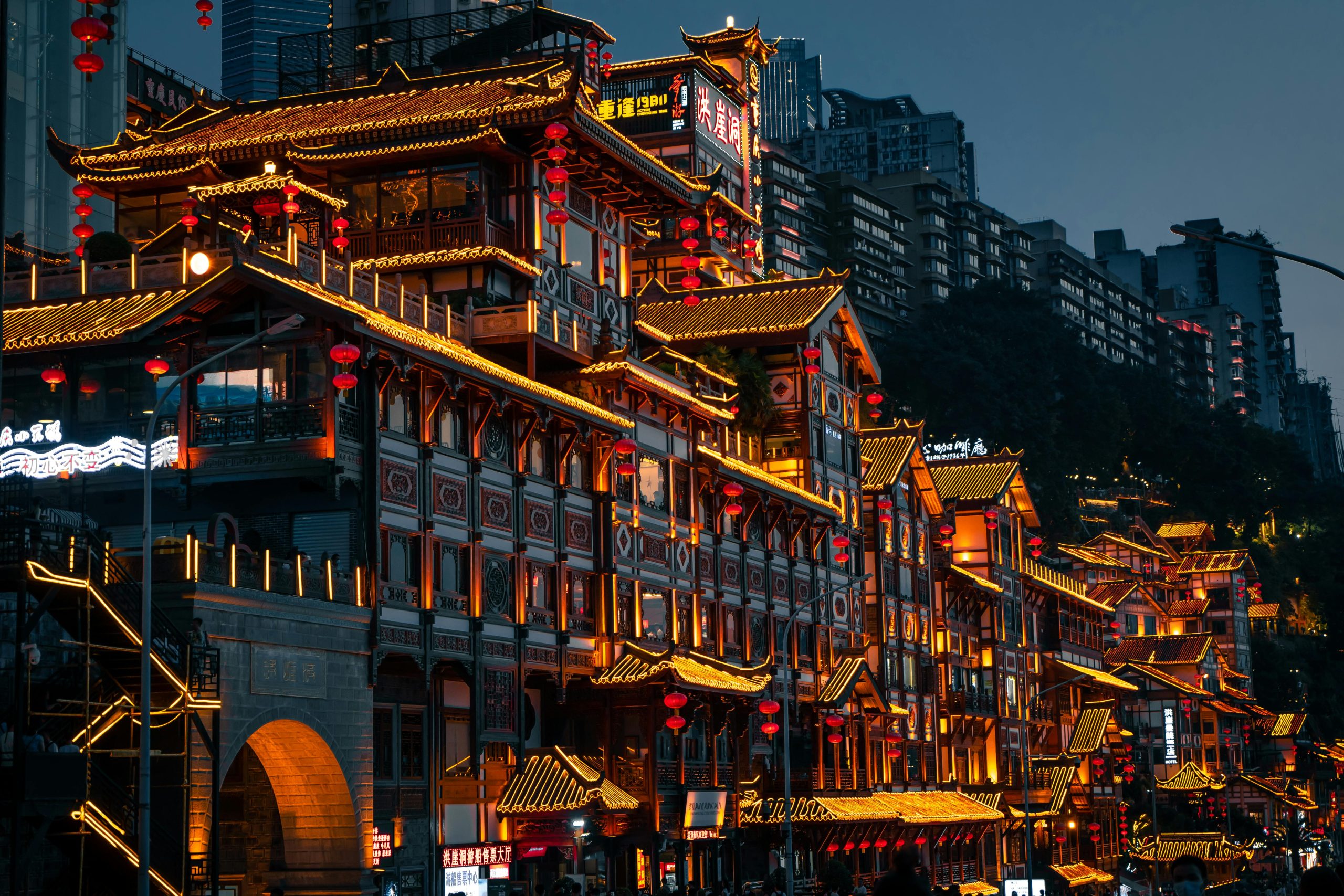
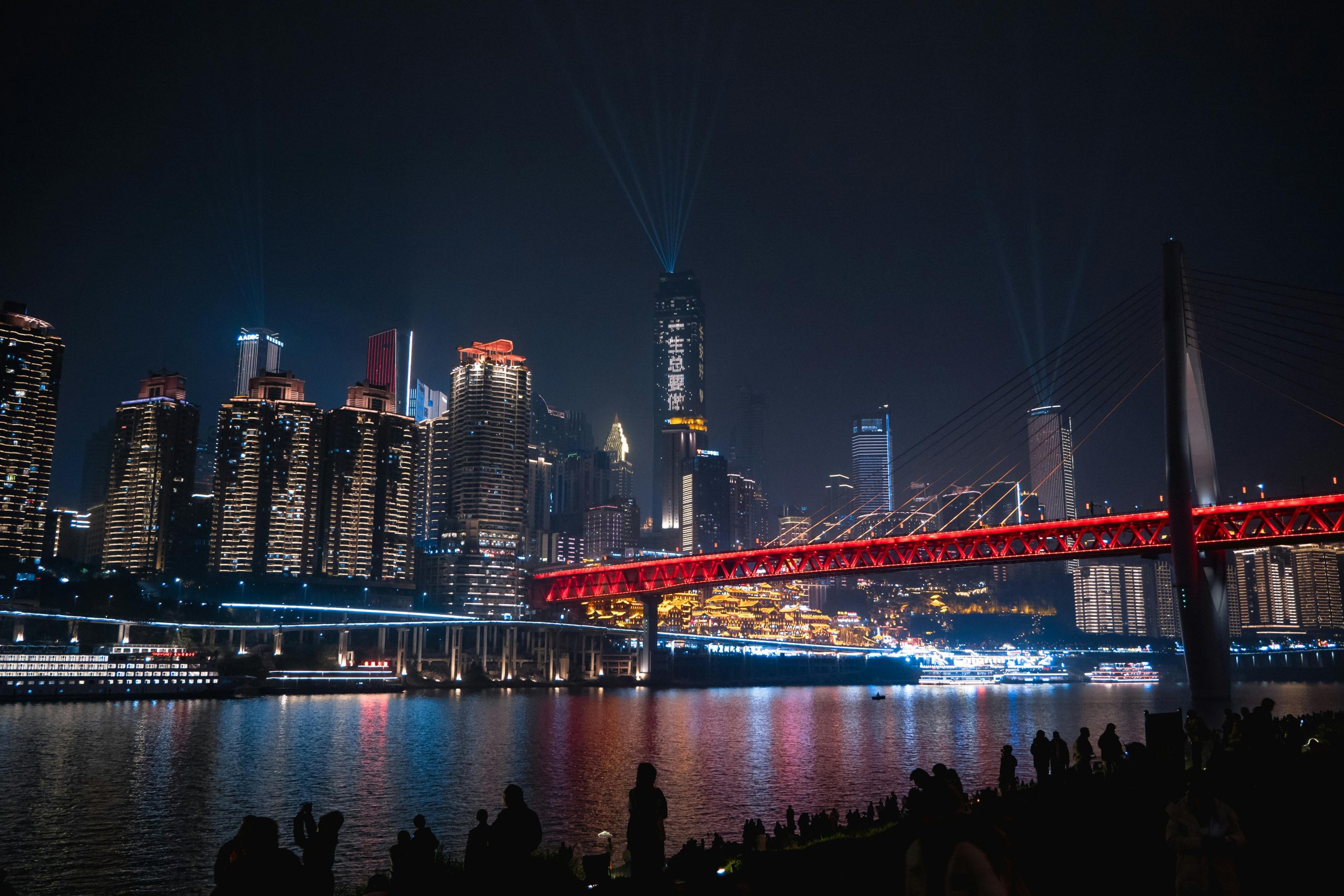
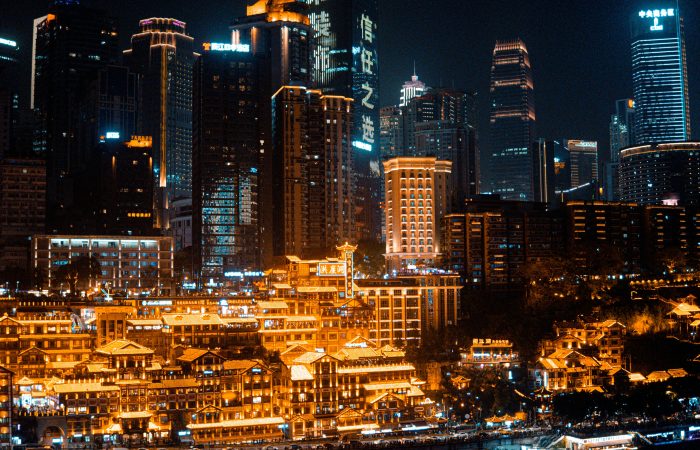
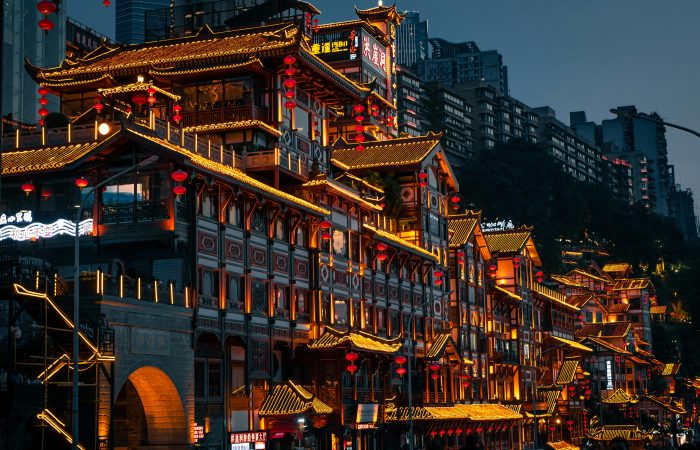
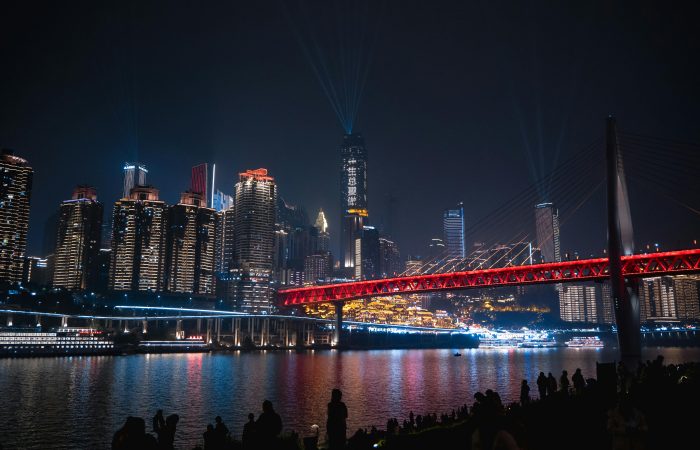
As evening falls, the group heads to Hongya Cave (*Hongyadong*) — the 11-storey cliff-face complex that looks lifted from a Miyazaki film. With a pre-booked entry slot, your guide explains the stilthouse design and walks you through the levels before the group crosses to the Qiansimen Bridge viewing platform for night photography of the lit-up facade reflected in the Jialing River.
Dinner this evening is self-arranged. Your guide hands over a curated list of nearby restaurants before stepping back.
One of China’s most disorienting trade-offs is how often the ancient and the futuristic land in the same afternoon. Today is built around exactly that.
The morning opens at Ciqikou Ancient Town (*Ciqikou*) — a Ming-era river trading port on the Jialing where the lanes are still lined with workshops grinding chilli paste, pulling sesame oil, and twisting handmade candy. Your guide arranges a Chen Mahua candy-twisting demo with a third-generation maker, and you try a simplified version yourself.
Lunch is inside the ancient town — local Chongqing dishes in a riverside setting.
The afternoon takes a sharp turn into the future at the Chongqing Robot AI Centre — a working exhibition space split into industrial and service-robot zones. This is not a concept demo; it is the technology already deployed across Chinese cities. The visit includes a robot dog interaction and an AI-assisted drawing session. (A robot-coffee bar and bookable robot performances are available on site as small extras.)
As evening falls, the group moves to Longmenghao Old Street (*Longmenghao*) — a Republican-era riverside quarter where you can try period-costume photography and explore the lit-up streets at your own pace. Dinner is self-arranged, with recommendations for restaurants overlooking the Yangtze.
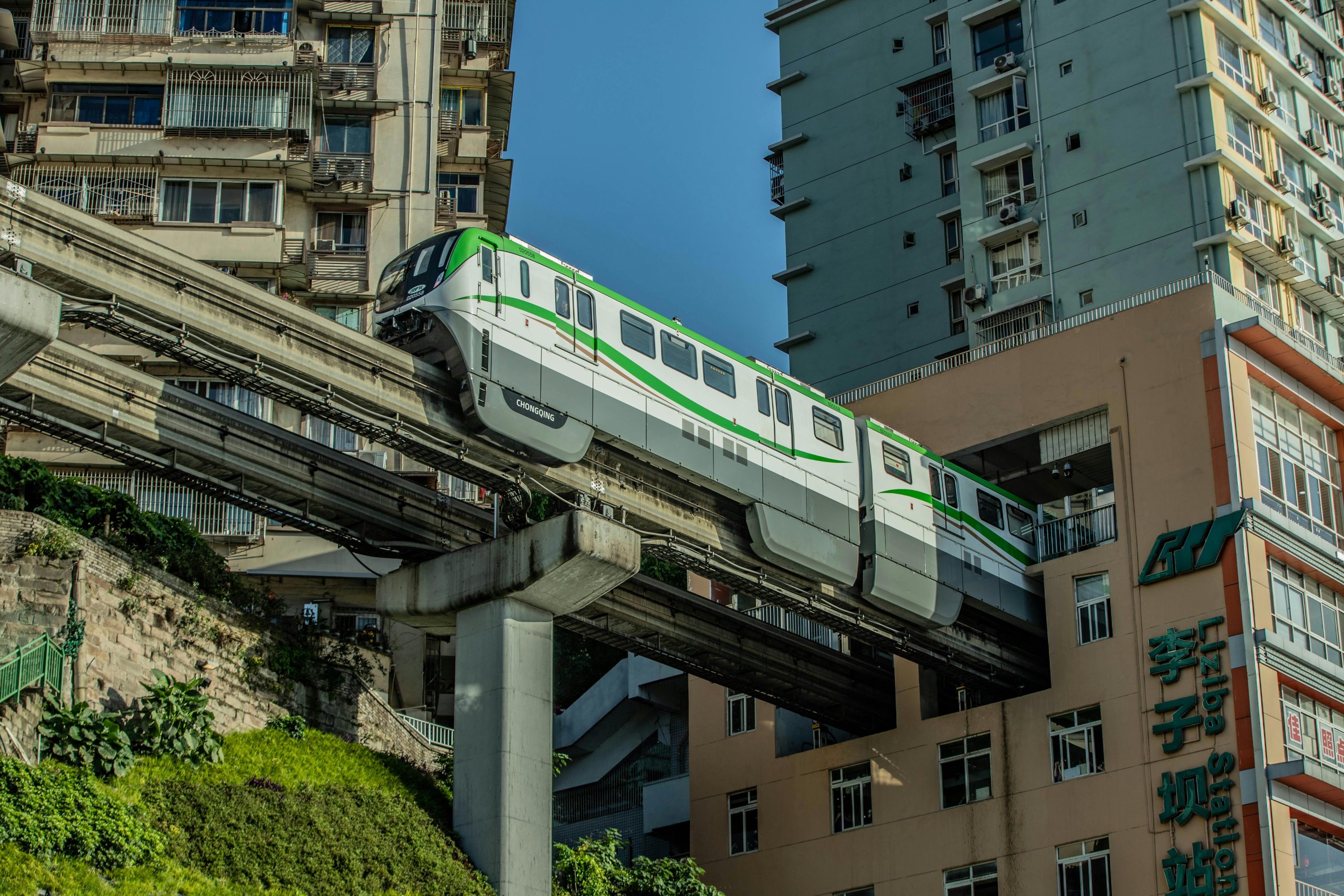
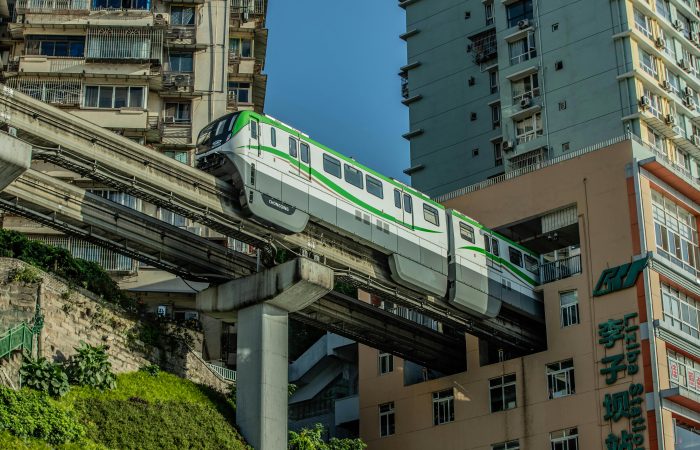
After breakfast, you head to the Liziba Monorail (*Liziba*) viewing platform — the famous spot where Chongqing’s Line 2 cuts directly through the sixth floor of an inhabited apartment block. After watching the spectacle from the platform, you board the train yourself for a ride through the city’s vertical landscape.
Lunch is a featured local meal. The afternoon moves to Eteling Second Factory (*Eling Erchang*) — a decommissioned wartime printing plant reborn as Chongqing’s premier creative park. The old industrial buildings now house studios, design shops, and rooftop terraces with panoramic views over the Yangtze.
The day continues at Eling Park for a Chongqing tuo tea session (*tuocha*) — your guide walks you through the traditional compressed-tea preparation method while you look out across the mountain-city skyline.
The evening is free. Your guide provides nightlife recommendations for anyone who wants to find Chongqing’s bar scene or night markets on their own.
The deeper you go into a real China trip, the more you realise the most memorable days are not the ones you ticked off a list. Today is the trip’s built-in rest day — designed to slow you down and let you experience Chongqing the way locals do.
The morning is free for sleeping in, hotel rest, or a stroll around the neighbourhood. Traditional Chinese Medicine (acupuncture and tuina massage) is included in the optional Wellness & Health Package — select when booking.
Lunch is at a Chongqing hole-in-the-wall eatery (*cangying guanzi*) — the kind of no-frills, beloved local restaurant that the city swears by. The food is exceptional; the decor is not the point.
The afternoon and evening are given over to a full Chongqing bathhouse afternoon at a premium bathing centre — hot pools, dry and wet steam rooms, rest lounges, and a buffet dinner included. This is a genuine local ritual rather than a tourist spa: Chongqing residents spend entire afternoons here, and the pace is meant to be unhurried.
After breakfast and checkout, your driver takes you to Chongqing West Station for the Chongqing–Chengdu high-speed rail — one of China’s most popular intercity routes and a chance to feel, in about two hours, the speed and comfort that has reshaped domestic travel here. Your guide travels with you the whole way.
Arriving at Chengdu East Station, a private car meets the group and takes you to lunch — your first taste of Chengdu cuisine.
After check-in and a brief rest, the late afternoon opens with a walk through Taikoo Li — Chengdu’s signature open-air retail district built around the historic Daci Temple. Your guide explains why Chengdu is consistently ranked among China’s most liveable cities, pointing out the deliberate blend of ancient temple architecture and contemporary design that defines the neighbourhood.
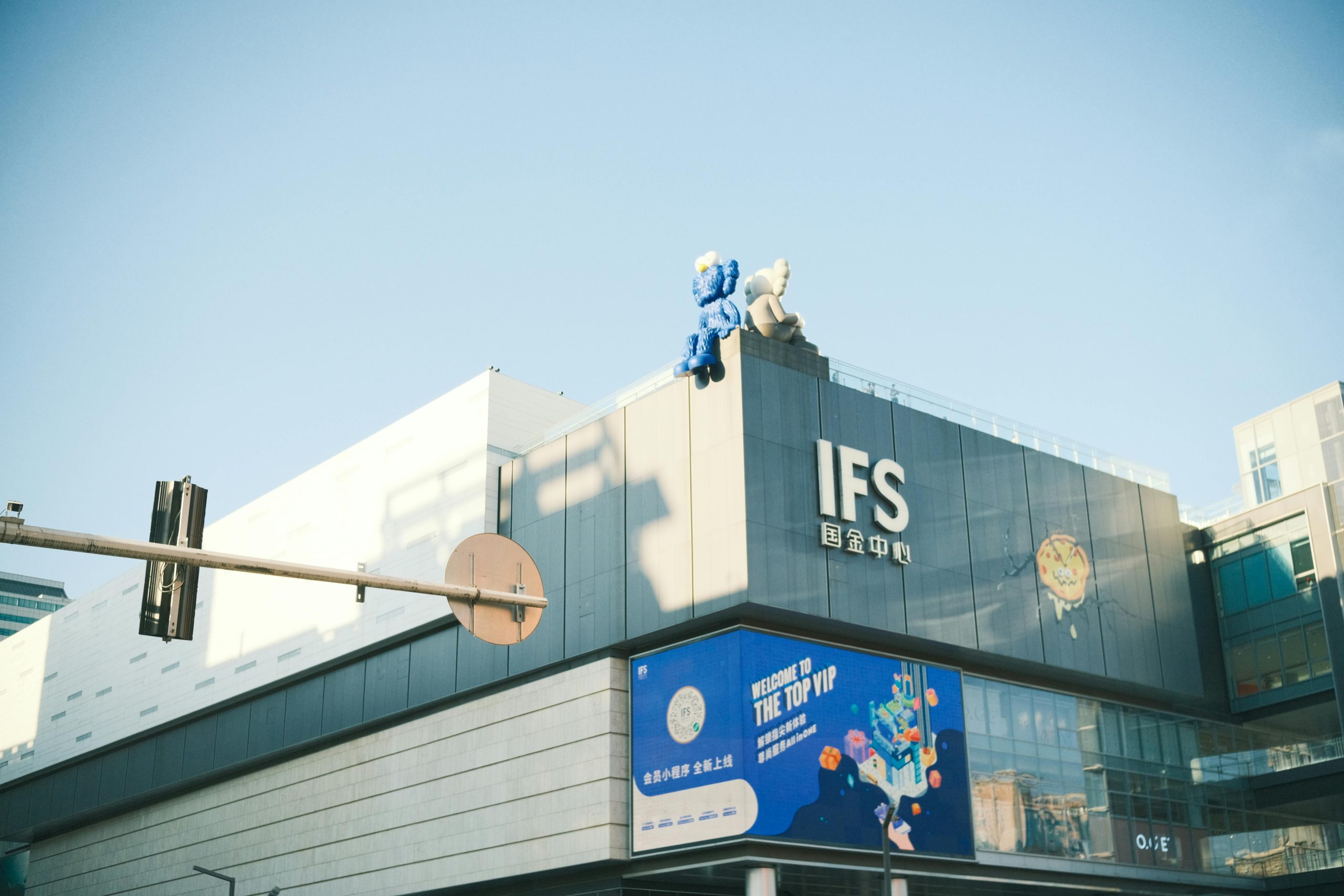
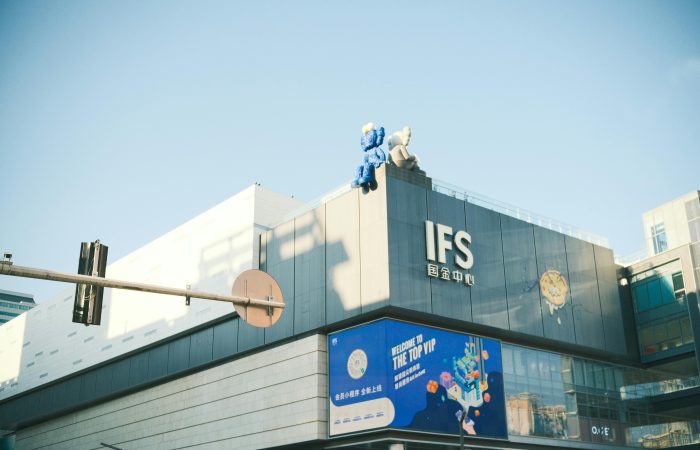
Dinner is at a curated Chengdu restaurant. The evening continues with a night walk through the IFS district — including the iconic rooftop IFS Panda, a social-media landmark that looks best after dark — and a slow loop through Chengdu’s young nightlife streets.
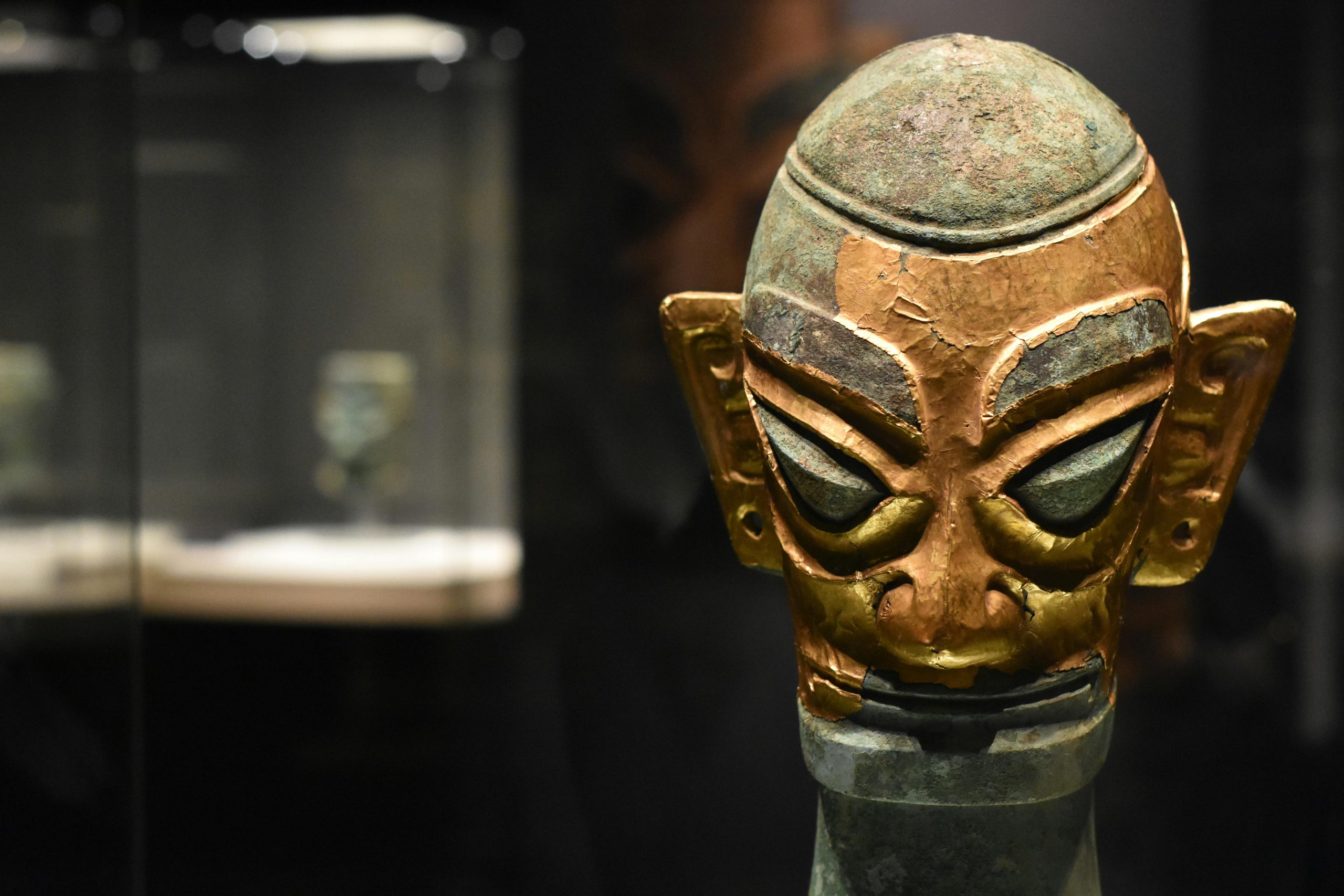
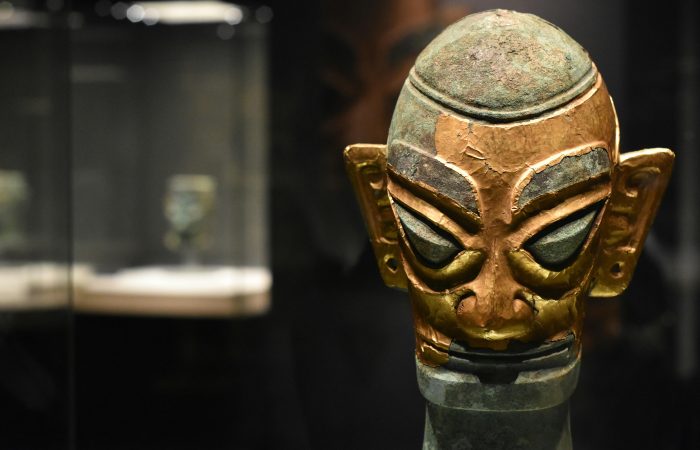
After breakfast, a private car takes you about 90 minutes north to Guanghan for a deep-guided tour of the Sanxingdui Museum (*Sanxingdui*). This is one of the most consequential archaeological discoveries of the 20th century: a 4,000-year-old civilization that produced towering bronze masks, gold sceptres, and a sacred bronze tree unlike anything found elsewhere in the ancient Chinese world. Your guide connects the Sanxingdui finds to the bigger story of how Chinese historians had to revise the long-held idea that Chinese civilization spread from one origin in the Yellow River basin.
Lunch is in Guanghan — local Sichuan dishes near the museum.
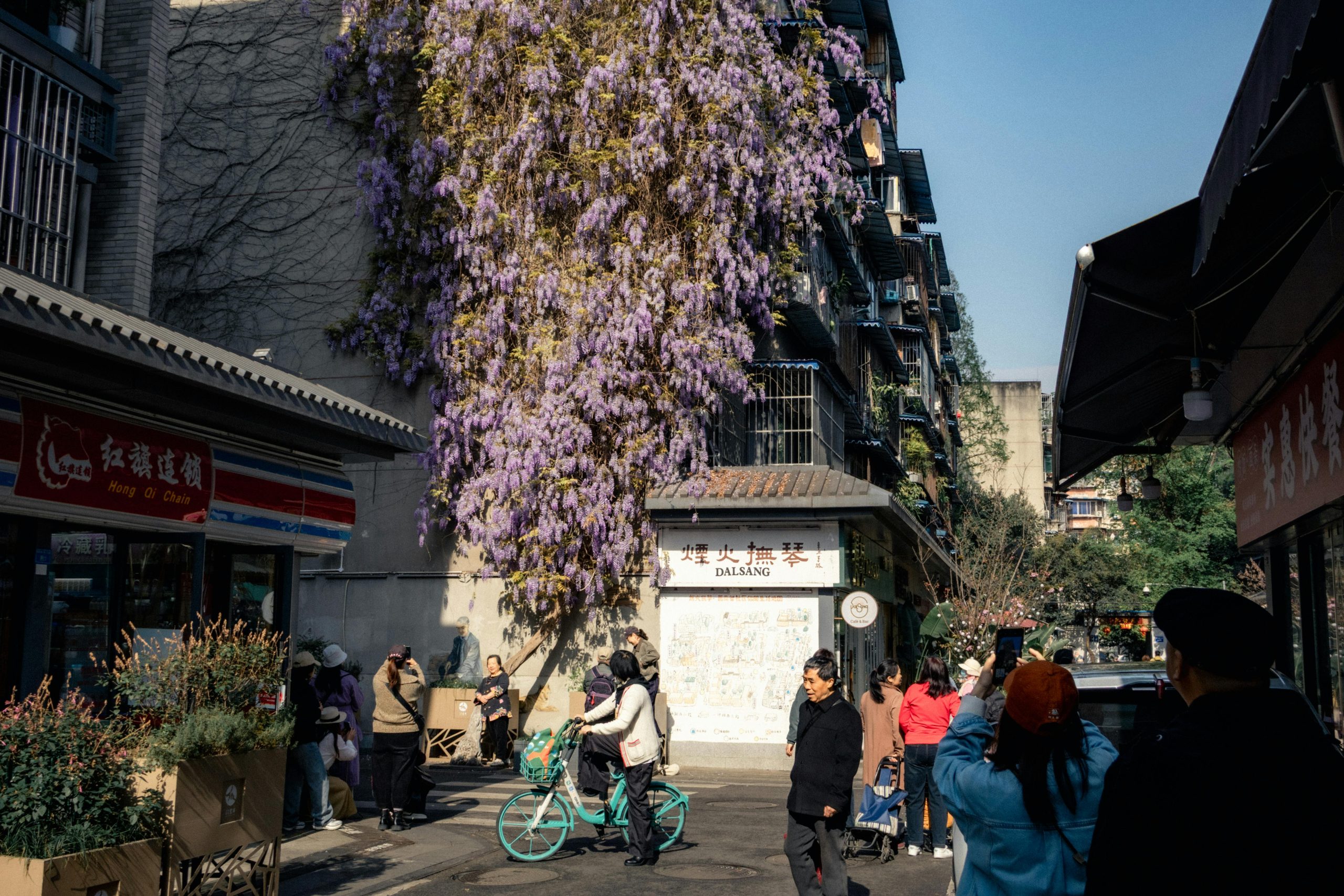
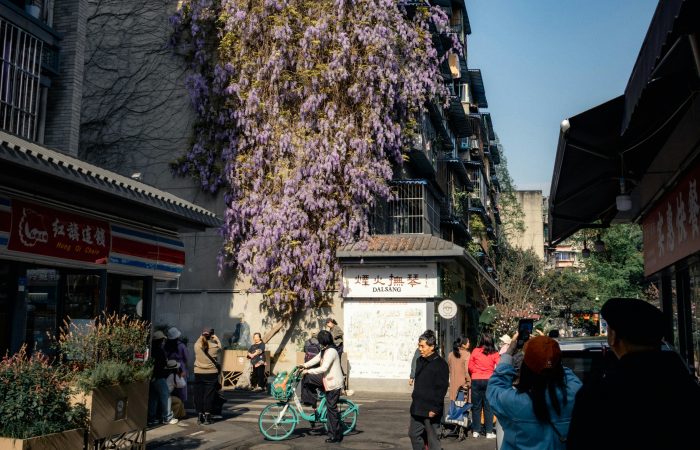
The afternoon returns to Chengdu for a walk through Kuanzhai Alley (*Kuanzhai Xiangzi*) — three parallel lanes dating to the Qing garrison era, each with its own character: Wide Alley for slow strolling, Narrow Alley for tea and craft shops, Well Alley for the courtyard restaurants. Your guide introduces the Sichuan covered-bowl tea (*gaiwan cha*) ritual and the local custom of street ear-cleaning (*cai er*) that has been part of Chengdu teahouse culture for generations.
The evening moves to Jinli Ancient Street (*Jinli*) for a night stroll and dinner. Several courtyard restaurants here run live Sichuan opera face-changing performances (*bianlian*) during the meal — your guide steers you to the best room.
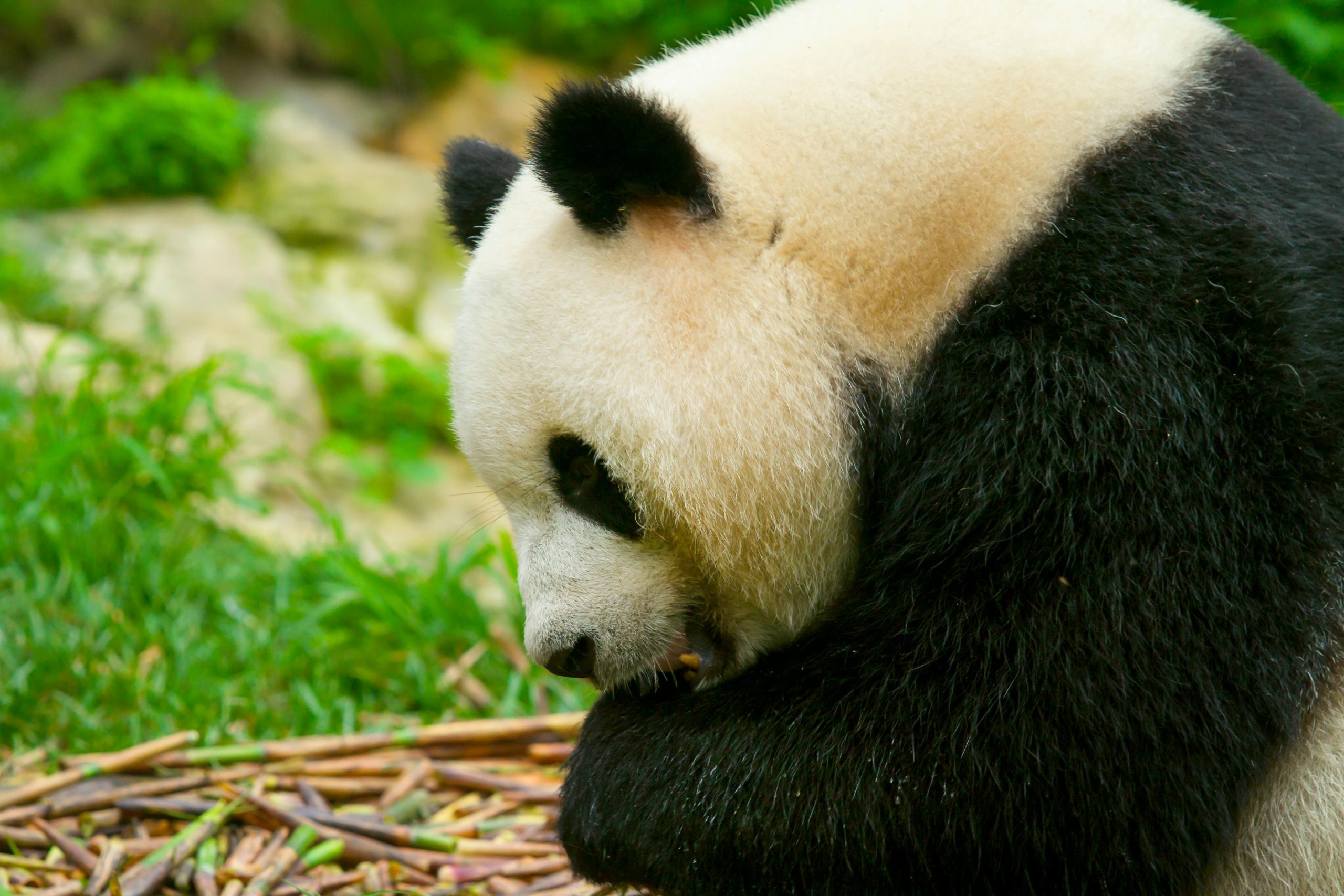
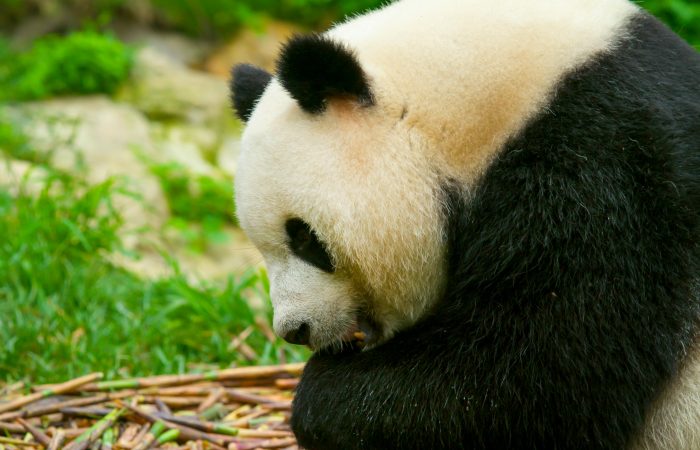
An early start brings you to the Chengdu Panda Base at the morning feeding window — the only stretch of the day when the pandas are reliably awake and active. Your guide narrates the conservation story: how China brought the species back from the edge of extinction, how the panda became a global cultural symbol, and the geopolitical role these animals have played since the 1970s. The visit includes the juvenile-panda enclosures (subject to availability on the day) and a slower walk through the bamboo gardens.
Lunch is near the panda base — light, comfortable Sichuan dishes after a morning on foot.
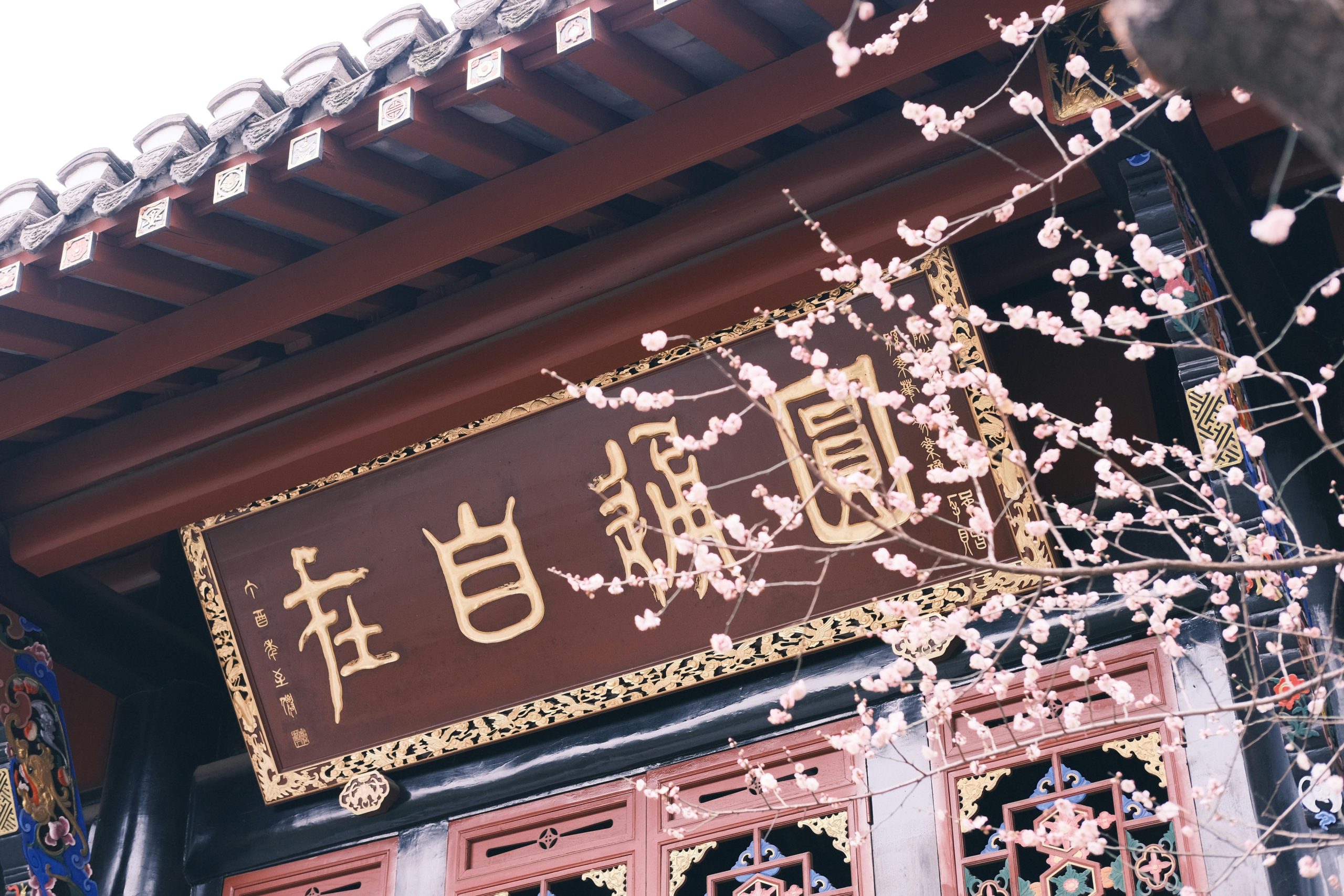
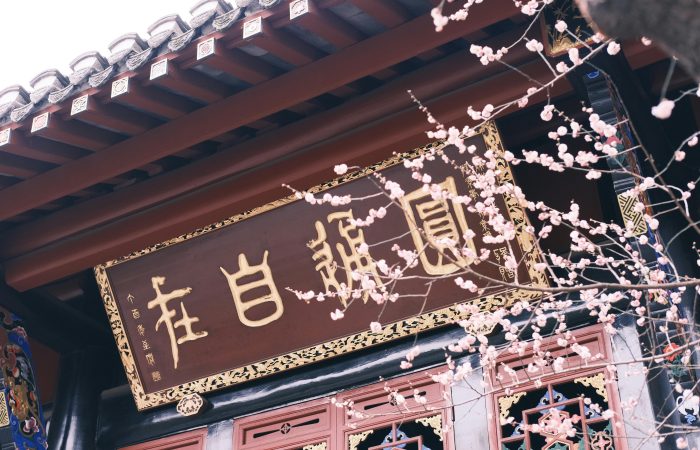
The afternoon shifts register completely, moving to Qingyang Temple (*Qingyang Gong*) — Chengdu’s oldest and most active Daoist temple. Inside the temple grounds, a covered-bowl tea session lets you sit as locals do, sipping from a lidded porcelain bowl while your guide explains the Daoist philosophy that shaped Chinese attitudes toward nature, balance, and effortlessness.
The day deepens at the temple’s Laozhuang Academy — a Daoist scripture hall where you practise Dao De Jing copying (*chao jing*), tracing passages from the foundational Daoist text with brush and ink. The session quietly closes the loop between the morning’s panda story and the Daoist idea of living in harmony with nature.
The evening is free. A traditional Chinese massage session (*gufa anmo*) is included in the optional Wellness & Health Package — select when booking.
After a light breakfast and checkout, the morning is at People’s Park — Chengdu’s central green space where locals practise tai chi, dance in groups, play mahjong, and drink covered-bowl tea under the trees. This is an unstructured window for observing daily Chengdu life at its most relaxed. A premium health screening at a nearby Chengdu medical centre is included in the optional Wellness & Health Package — select when booking. If selected, the screening replaces the People’s Park visit.
Lunch is a featured Chengdu meal before the drive to Dujiangyan — about 90 minutes west.
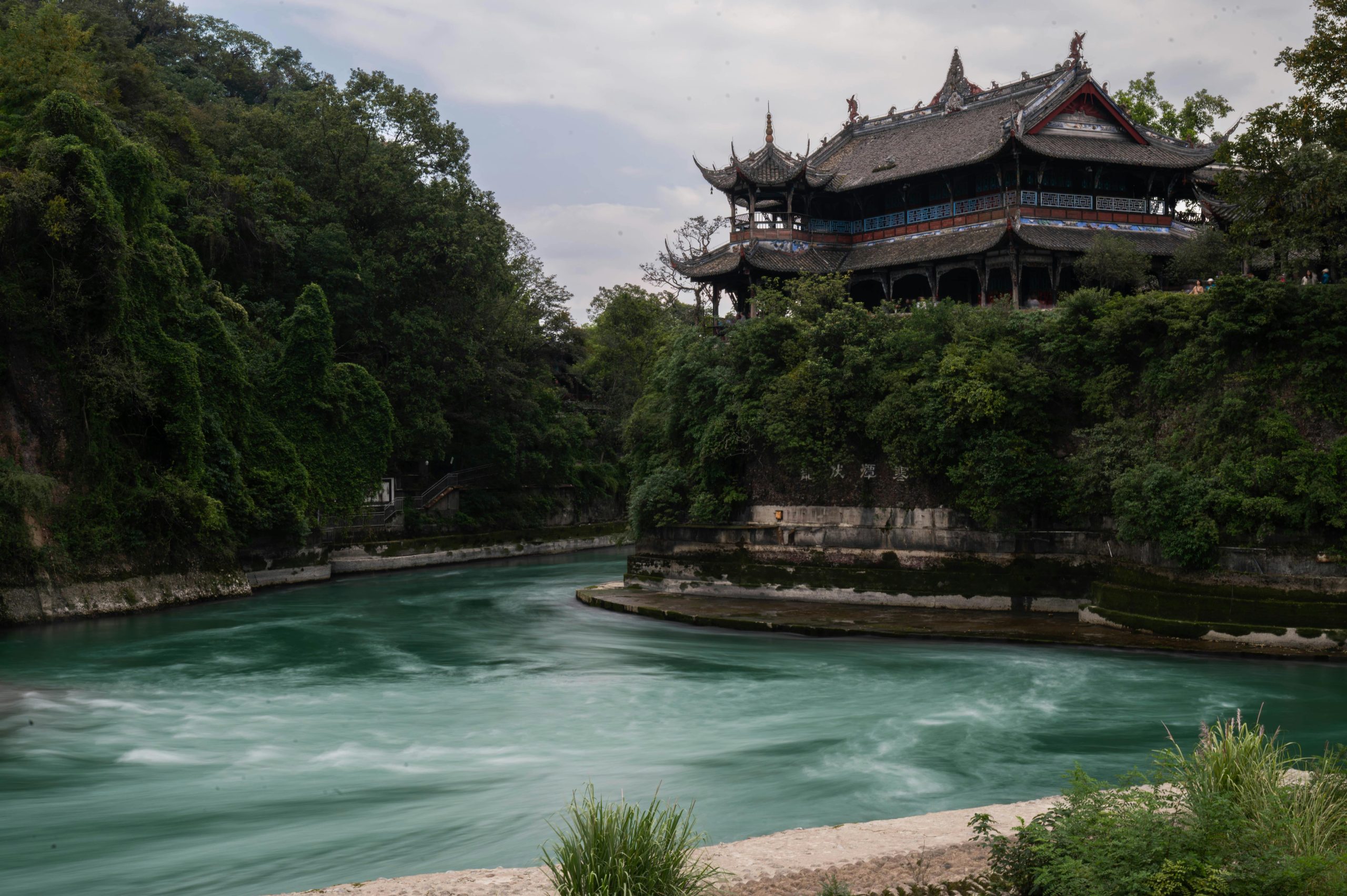
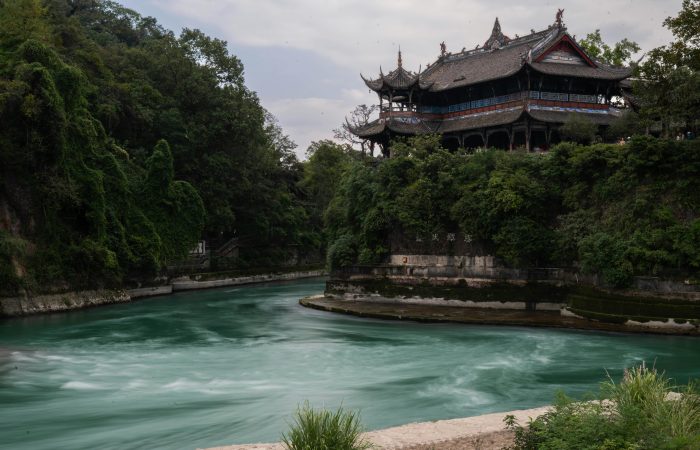
Dujiangyan Irrigation System (*Dujiangyan*) is a 2,200-year-old feat of hydraulic engineering, built in 256 BC, that still irrigates the entire Chengdu Plain today — no pumps, no dams, just the original channelling design. Your guide walks you through the Fish Mouth Levee, the Flying Sand Weir, and the Bottle-Neck Channel, explaining why the system has never needed fundamental modification.
As darkness falls, the group walks to the Nanqiao Lantern Bridge (*Nanqiao*) — a covered Qing-style bridge lit up at night and reflected in the Minjiang River below. The evening is free for dinner — your guide recommends a riverside fish restaurant beside the bridge.
You stay overnight in Dujiangyan.
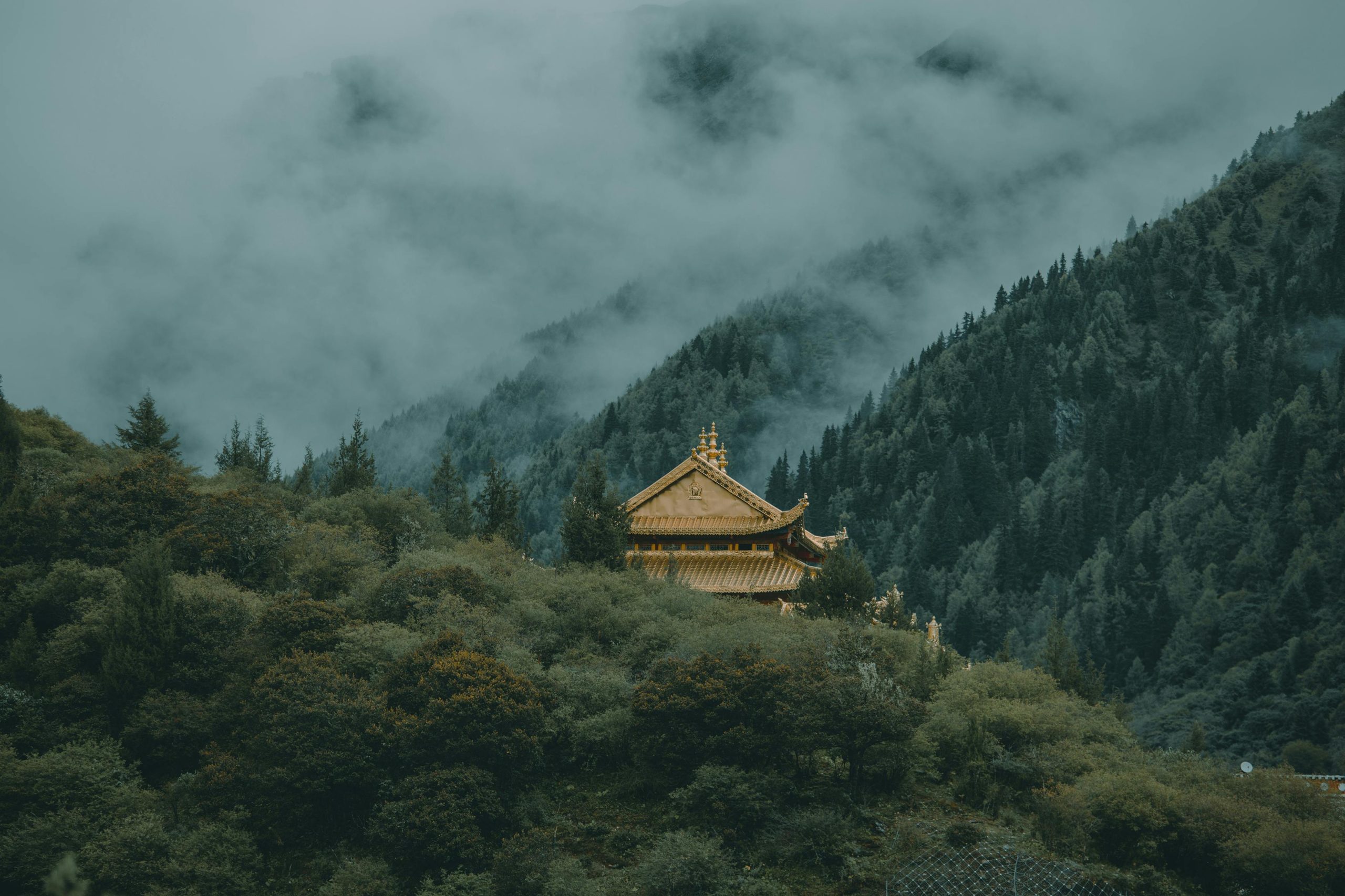
After breakfast at the Dujiangyan hotel, the day belongs to Mount Qingcheng (*Qingcheng Shan*) — one of the birthplaces of Daoism and a UNESCO World Heritage site, wrapped in dense subtropical forest that keeps the trails cool even in the height of summer.
Your guide adjusts the route to the group’s fitness level — a half-mountain walk for a gentler pace, or the full circuit for those who want the complete experience. Along the way, ancient Daoist temples and hermitages appear between the trees, and your guide draws the connection between the mountain’s spiritual history and the philosophy you encountered at Qingyang Temple two days earlier.
Lunch is mountain-style snacks along the trail — the simple food that has sustained pilgrims and walkers here for centuries.
By late afternoon, you descend and transfer to a hot spring hotel at the foot of the mountain. After check-in, the evening is a hot spring evening — a long soak in the hotel’s mineral pools as a recovery ritual after a day in the forest. Dinner is self-arranged at the hotel.
After breakfast at the hot spring hotel, the group drives to Wenjiang — a district on the western edge of Chengdu — for a full day at the Rongfu Tibetan Culture Museum. This private museum houses an unusually deep collection of Tibetan manuscripts, sutras, and religious art that bridges the cultural overlap between western Sichuan and the Tibetan plateau.
The morning is a private guided tour of the collection, with your guide explaining the long history of Tibetan Buddhism and literary culture along Sichuan’s western frontier.
Lunch is a featured local meal at the museum.
The afternoon is the day’s centrepiece: a four-station Tibetan craft workshop rotating through Tibetan incense making, tsa-tsa moulding (small clay votive tablets), thangka tracing (religious painting on canvas), and scripture rubbing (reproducing carved text with paper and ink). Each station is guided by a specialist, and you take everything you make home with you.
By early evening, the group returns to central Chengdu for the final hotel stay near Chunxi Road. Dinner is self-arranged. A spa massage session is included in the optional Wellness & Health Package — select when booking.
A final breakfast and a relaxed morning to pack and check out at your own pace.
Your driver takes you to Chengdu Shuangliu International Airport, Chengdu Tianfu International Airport, or Chengdu East Station, timed to your flight or train. The driver assists with luggage and an on-call coordinator confirms your return details before the journey closes.