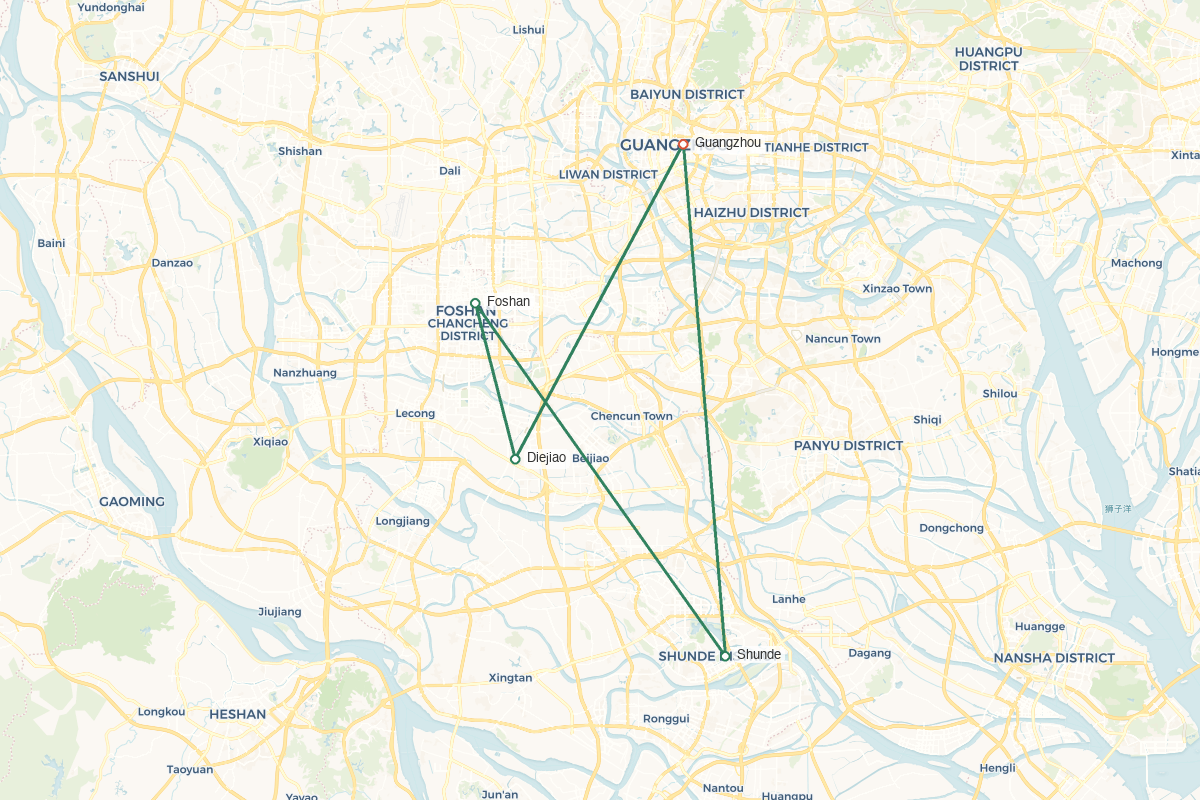
Four days across the Greater Bay Area’s cultural core — arcade streets in old Guangzhou, Shunde claypot lunches, Ip-Man-lineage Wing Chun in Foshan, Ancestral Temple lion dance, and the dragon-boat drift village of Diejiao where 25-metre boats whip through 3-metre canal turns.
You trade the imperial north for a southern city grammar: wok-ear rooftops, qilou arcades, and a food scene UNESCO put on its Creative Cities list.
Arrive in Guangzhou and check into your hotel in Tianhe District, the city’s modern business core. Drop your bags and settle in.
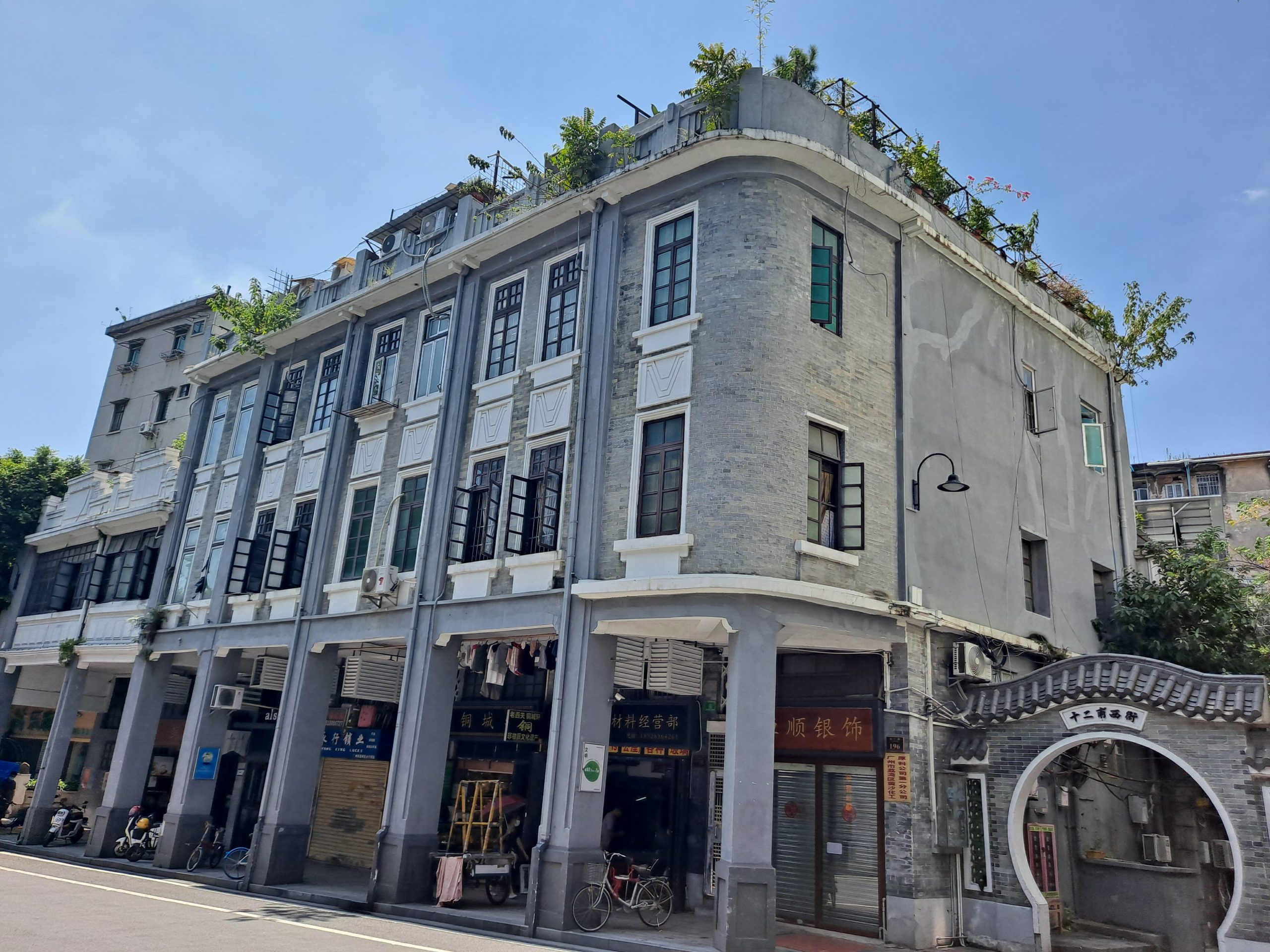
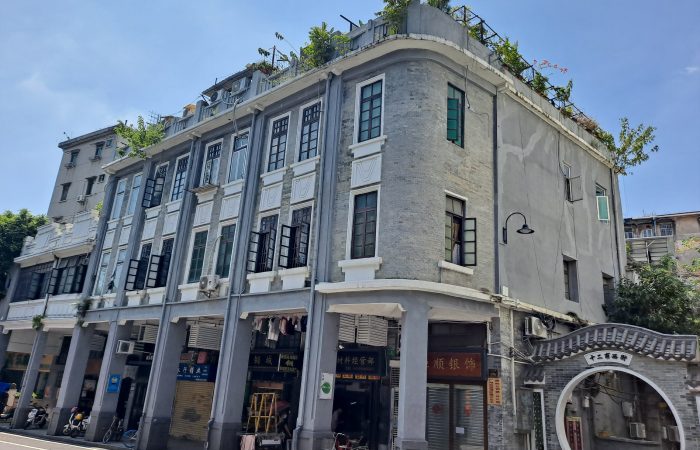
In the afternoon, you head west into old Guangzhou for Yongqingfang on Enning Road, the longest-preserved stretch of qilou arcade architecture in the city. These 1930s colonnaded shophouses line Liwan District’s old Xiguan quarter, and the block has been revived as a living cultural district — Bruce Lee’s father’s Xiguan mansion, now a small memorial hall, sits here alongside the Cantonese Opera Art Museum, copper-forging workshops, and shops selling Cantonese embroidery and porcelain. Your guide walks you through the textures that make southern China’s city-scape different from the imperial north: tonglong shutters, Manchu windows, and the way the arcades let shoppers move through summer rain without ever breaking stride.
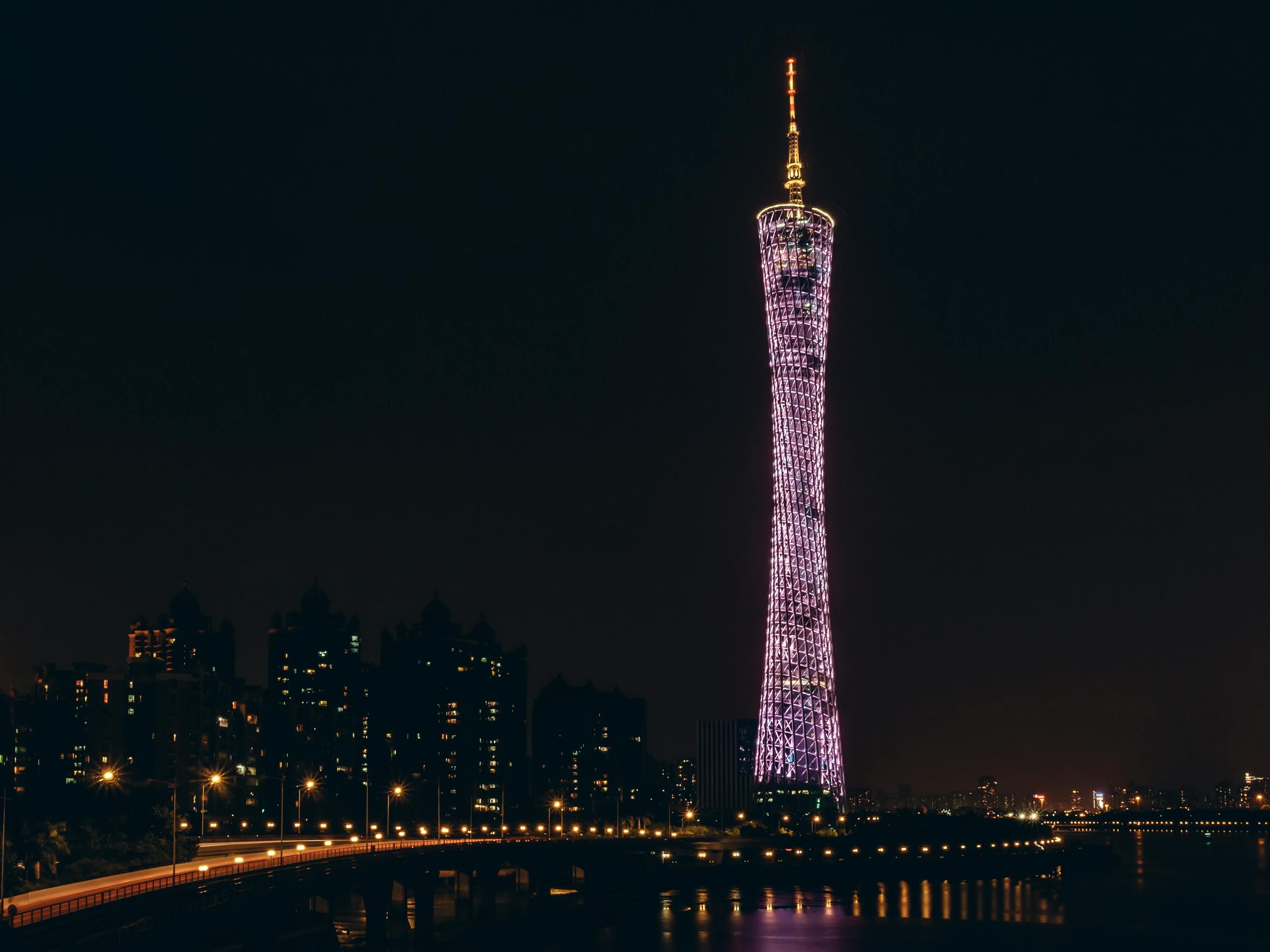
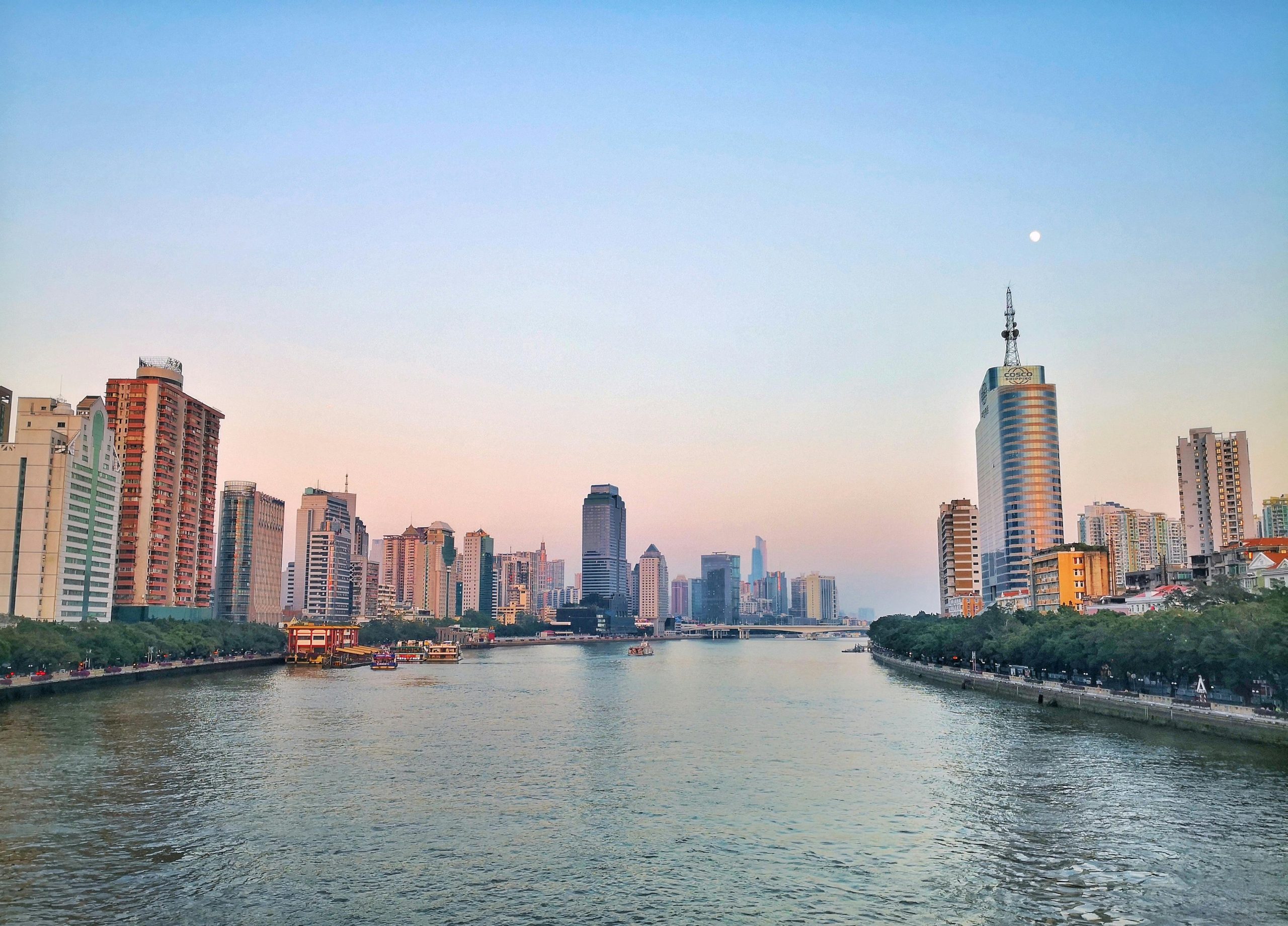
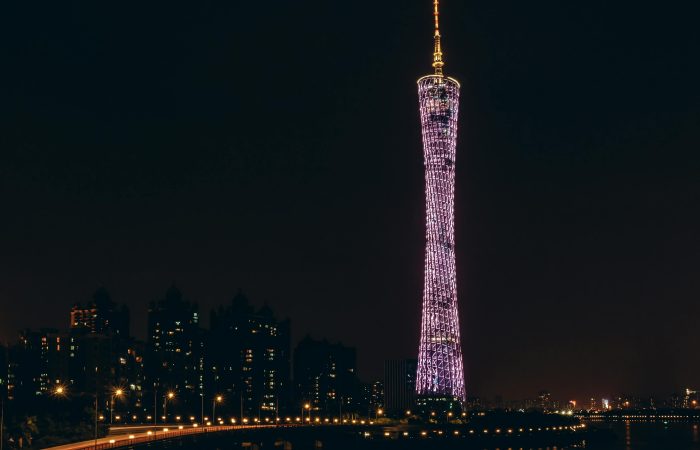
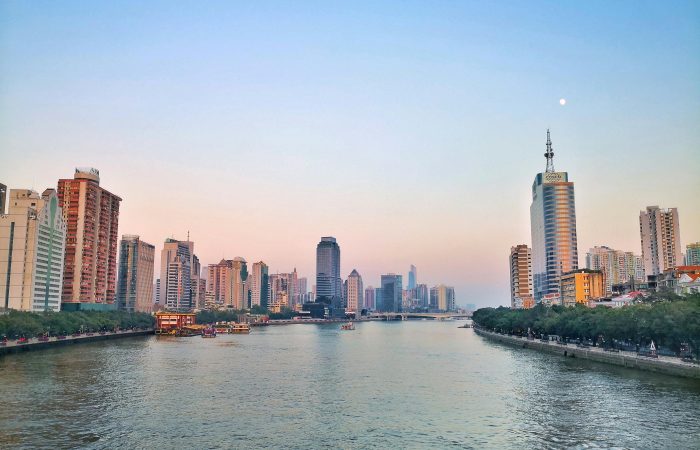
Later, a drive south to Haixinsha Park, the island on the Pearl River that hosted the 2010 Asian Games opening and closing ceremonies. The park sits at the southern end of Guangzhou’s new central axis, with water on three sides and Canton Tower directly across the river. From the promenade you see the city’s “golden triangle” — Haixinsha, Flower City Square, and the tower — lit up as dusk settles in.
Dinner is a Cantonese welcome banquet, seasonal and ingredient-led: light, clean-flavoured cooking in the Lingnan style, with an emphasis on the freshness of what is in season rather than heavy sauces. It is the regional cuisine’s opening statement, and sets the tone for the meals ahead.
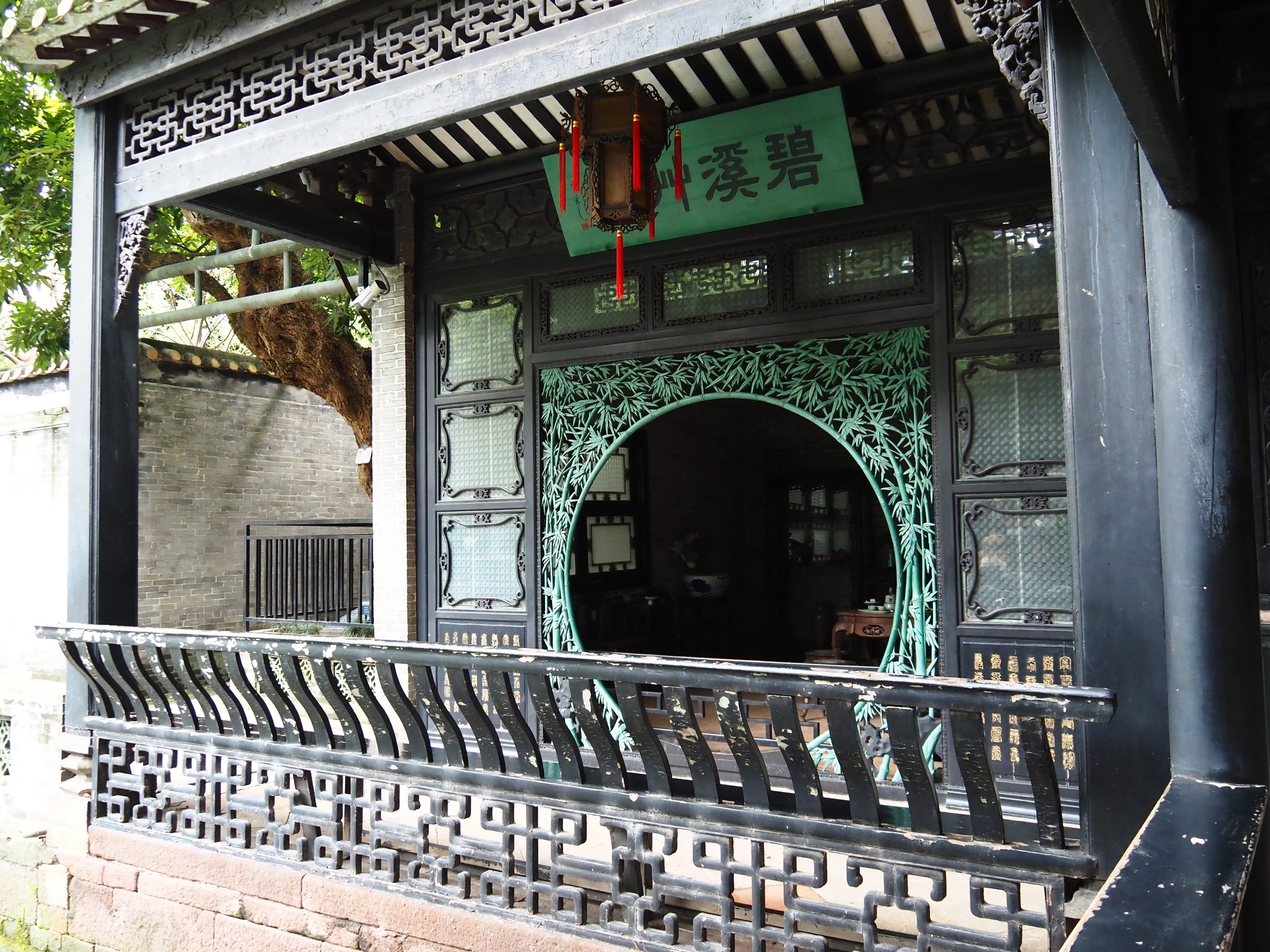
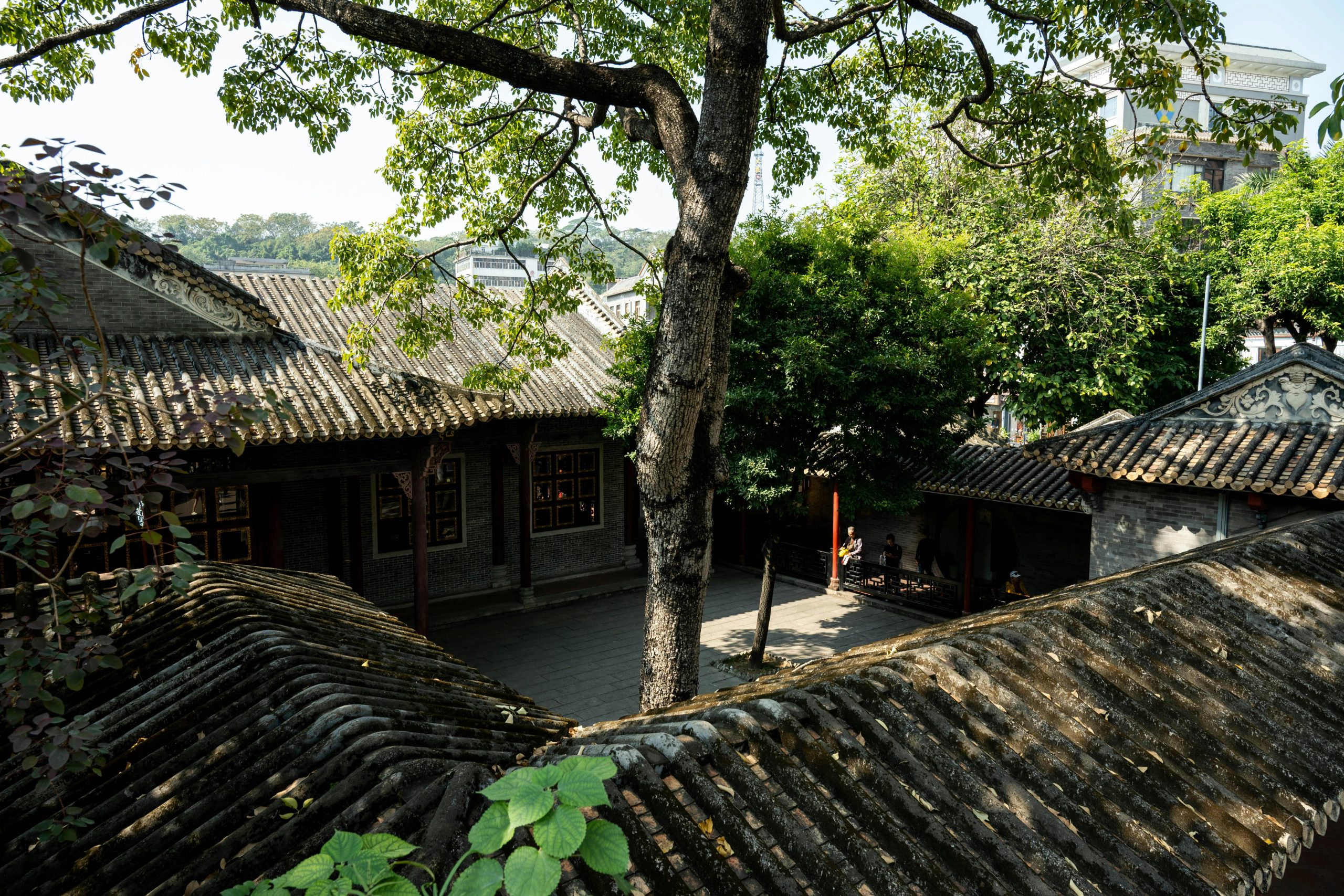
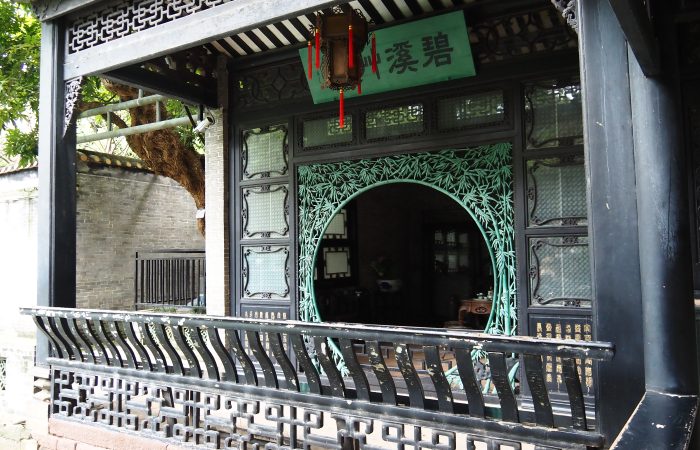
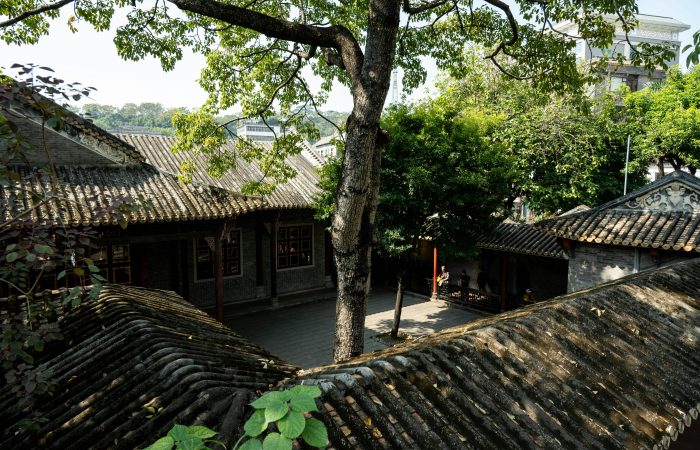
Check out after breakfast and drive to Foshan. Your first stop is Qinghui Garden in Shunde District, one of the Four Great Gardens of Lingnan and the only Cantonese garden on China’s national top-ten list. Built in the late Ming and extended through the Qing by the Long family for a scholar’s mother, it layers ponds, pavilions, carved screens, and shade trees across a compact one-acre plan. Your guide walks you through the three zones — southern waterscape, central architecture, northern courtyards — and reads the details that set southern garden design apart from Suzhou’s.
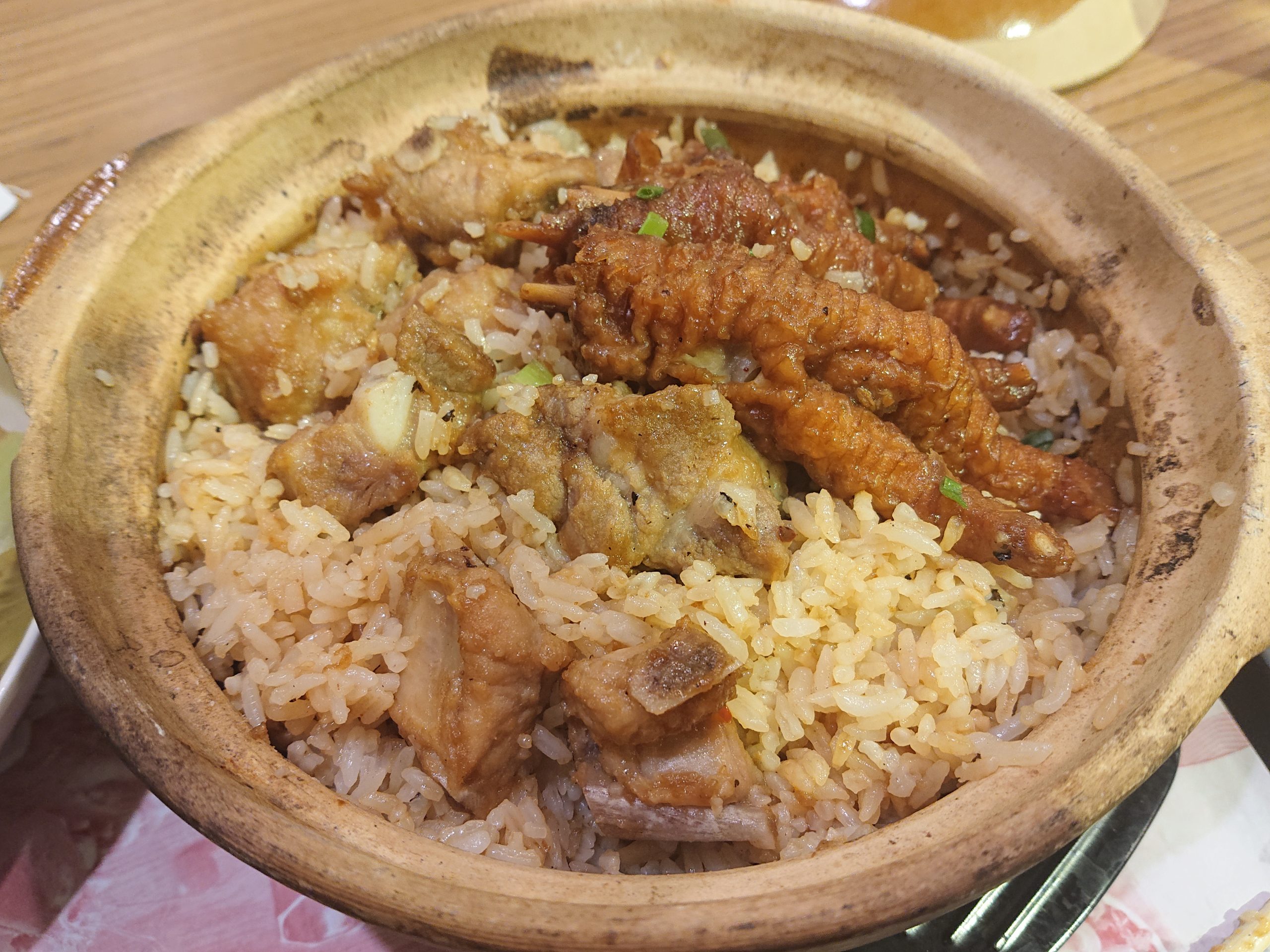
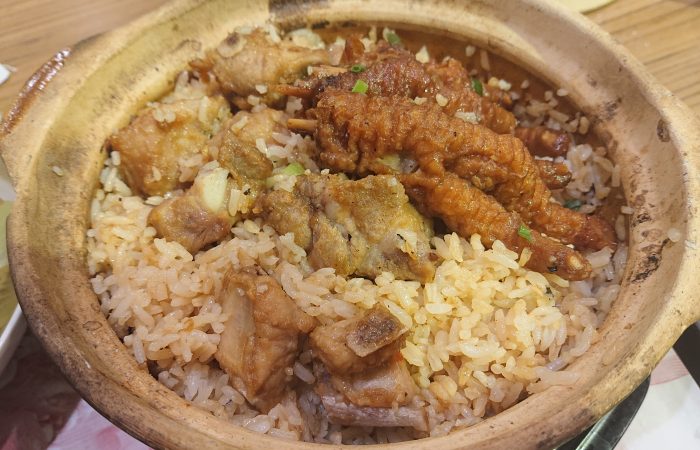
Lunch is in a heritage blue-brick courtyard restaurant in Shunde — a city UNESCO named a Creative City of Gastronomy for its depth of regional cooking. The meal centres on the two dishes Shunde is best known for: fish sashimi (*yu sheng*), paper-thin and dressed with citrus, peanuts, and fried taro, and Shunde claypot rice (*bao zai fan*), cooked over charcoal until the bottom crisps into a layer of golden rice crust. Cantonese opera plays softly in the background — a tradition the guildhall-style setting leans into.
The afternoon begins with a walk down Huagai Road, a Foshan arcade street a century old, where yellow, green, and pale-blue qilou shopfronts line the pedestrian strip. It is Lingnan architecture in its most photogenic form — Ming-Qing detail spliced with 1920s European motifs.
Then you head to Chancheng District for a Wing Chun session with Master Dong Chonghua at his Chonghua Wushu Hall. Master Dong is a recognized intangible cultural heritage inheritor of Wing Chun in the Ip Man lineage — he trained under Ip Chun, Ip Man’s eldest son, and has taught Wing Chun internationally. The session includes a background talk on Wing Chun’s history in Foshan, the city that produced Ip Man and made the style globally famous, followed by a one-hour hands-on practice covering basic stances, the centre-line principle, and the chain-punch drill. No prior martial-arts experience needed.
In the evening, check into your Foshan hotel inside the Lingnan Tiandi heritage quarter. The arcade streets are lit up for the evening — wok-ear rooflines against the sky, grey brick lanes, and creative shops, non-heritage craft studios, and Cantonese dessert stalls in restored Qing courtyards. Dinner and the evening are yours to explore at your own pace.
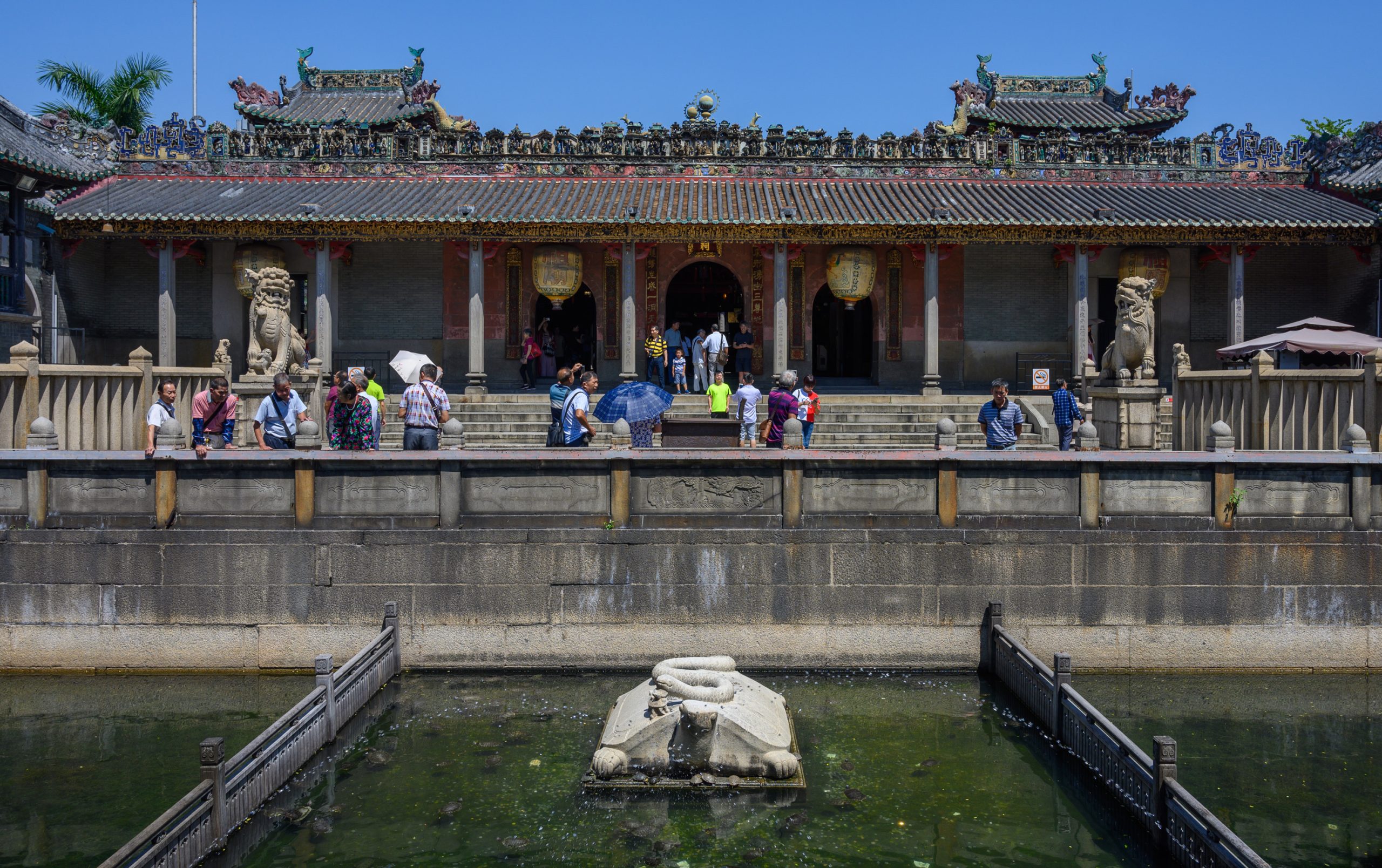
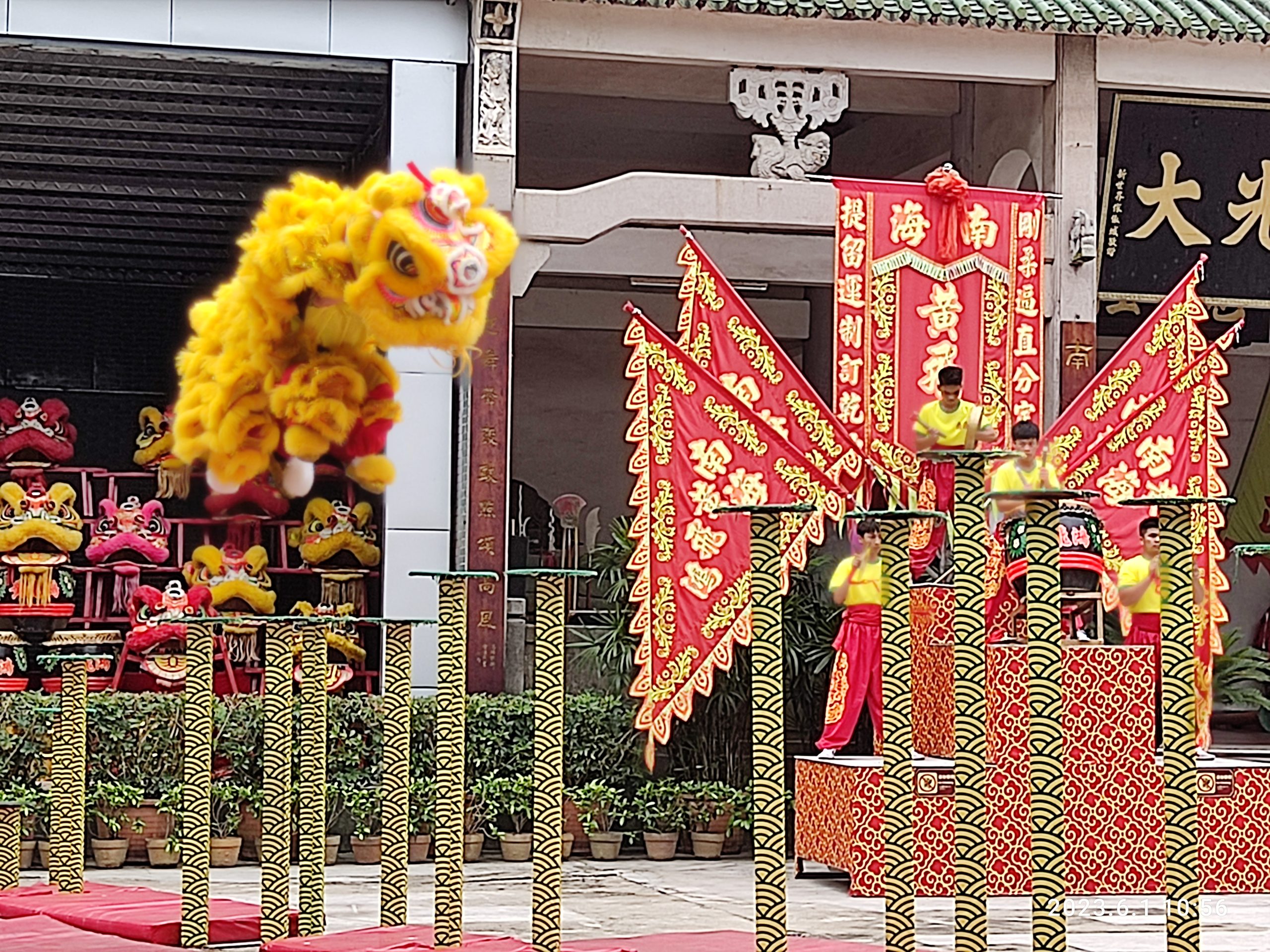
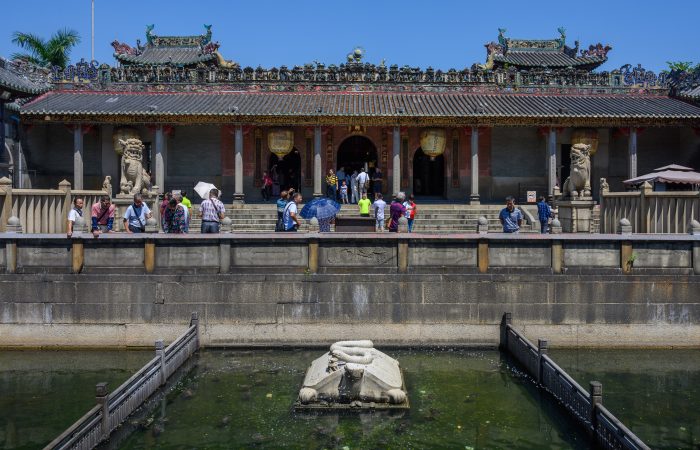
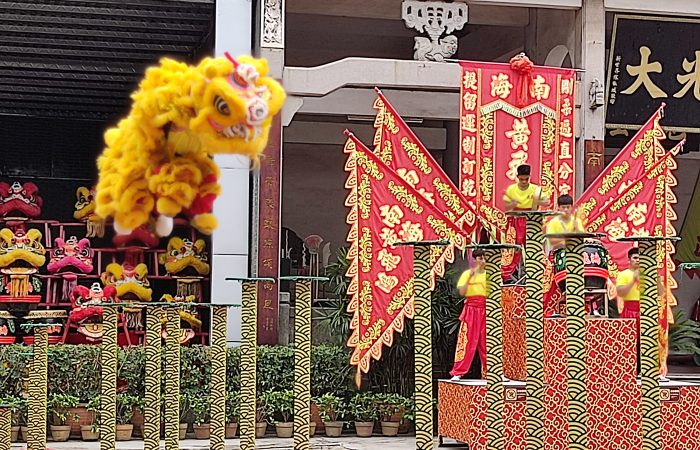
The morning goes to Foshan Ancestral Temple (*Zumiao*), a Northern Song-dynasty Daoist temple that has been at the centre of Foshan’s cultural life for nearly a thousand years. The complex is a compact showcase of Lingnan architecture — carved timber, glazed Shiwan pottery figures on the rooflines, and stone screens — and it doubles as the hub of Foshan’s martial and folk traditions. In the square in front of the Wong Fei-hung Memorial Hall you watch a lion dance performance: Foshan is the birthplace of Southern Lion Dance, and the style you see here — cymbals, drum patterns, acrobatic head-and-tail work — is the one that spread across Chinese communities worldwide.
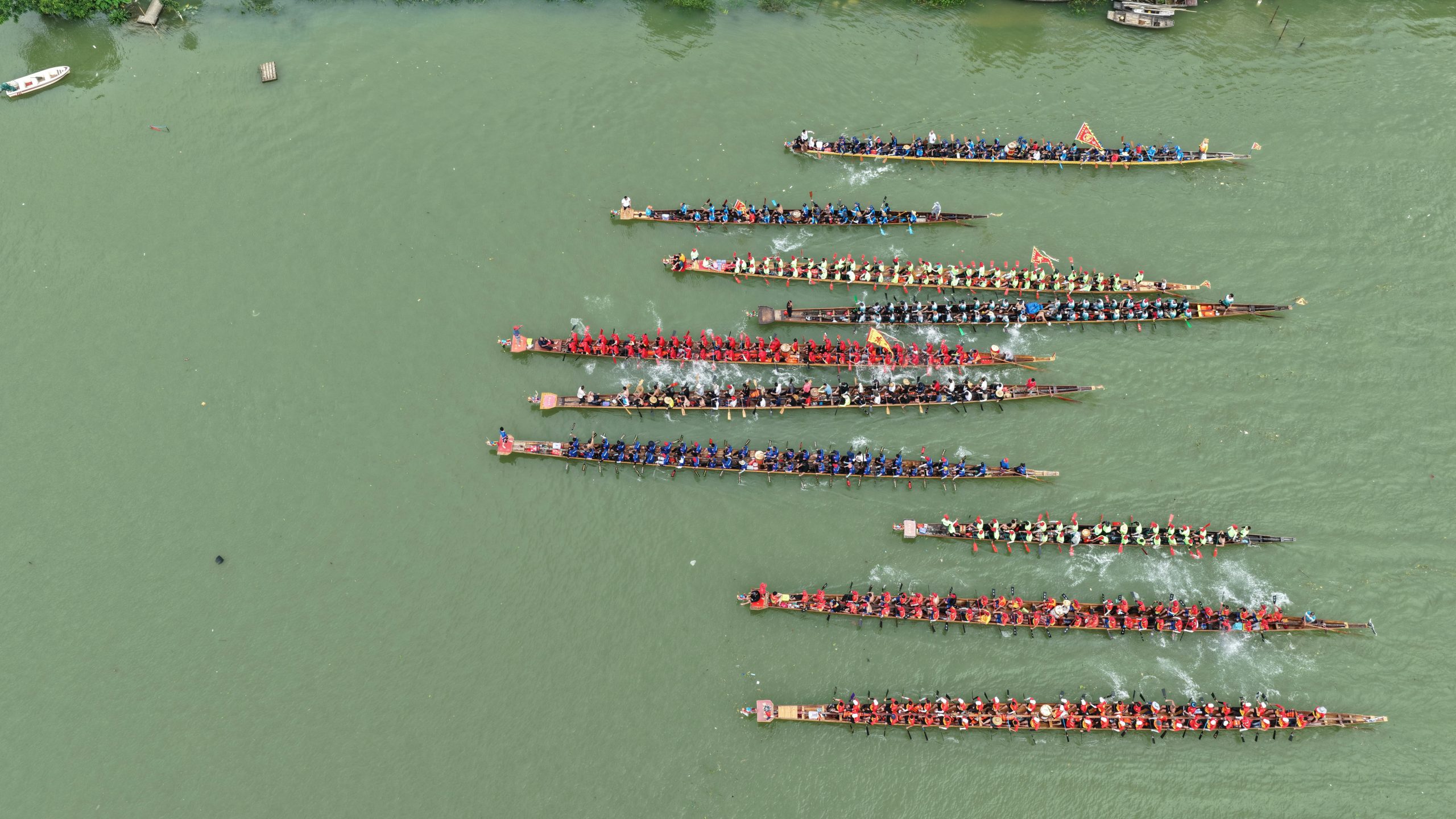
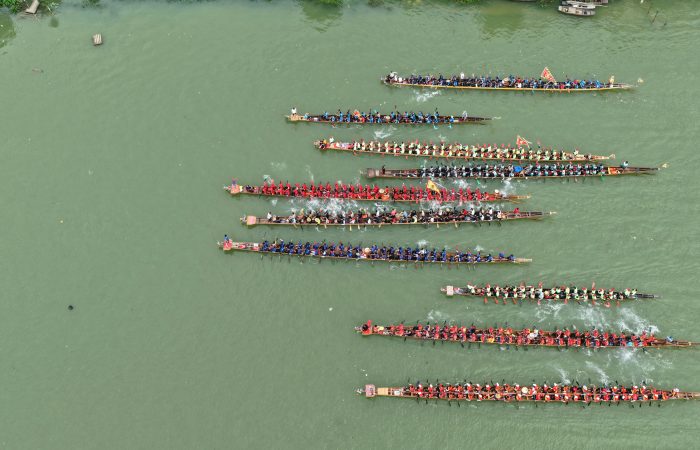
Midday, you drive to Diejiao village in Nanhai District for the most distinctive stop on the tour. Diejiao is an old water village where the canal system used to run 35 kilometres through the settlement; the narrowest stretches are only three metres wide. For more than 500 years, local crews have raced 25-metre-long dragon boats through these lanes — and because the canals twist through C-curves, L-curves, and S-curves, they had to develop a unique drift-racing technique. CGTN calls it “F1 on water.” It is listed as Foshan municipal intangible cultural heritage.
Your visit is a quiet day, not a race day: a local family hosts a home-cooked Cantonese water-village lunch in their courtyard, your guide walks you through the village’s ancestral halls and the riverside market, and you see the C-curve and S-curve drift lanes up close while the boats are in storage. If you want to experience the boats on the water, a hands-on dragon-boat session can be pre-arranged when booking.
In the evening, a Cantonese banquet dinner — white-cut chicken, claypot rice, and other regional classics — wraps up the food-led thread of the trip. You return to your Lingnan Tiandi hotel for the second night in the heritage quarter.
Breakfast at the hotel, then a relaxed morning before check-out. If time allows, one last walk through Lingnan Tiandi’s arcade lanes in the quieter morning light before the shops open.
At a time that matches your departure, your driver takes you from Foshan back to Guangzhou for your onward flight from Baiyun International Airport or high-speed train from Guangzhou South Railway Station. Your guide is available by phone for any last-minute help.